
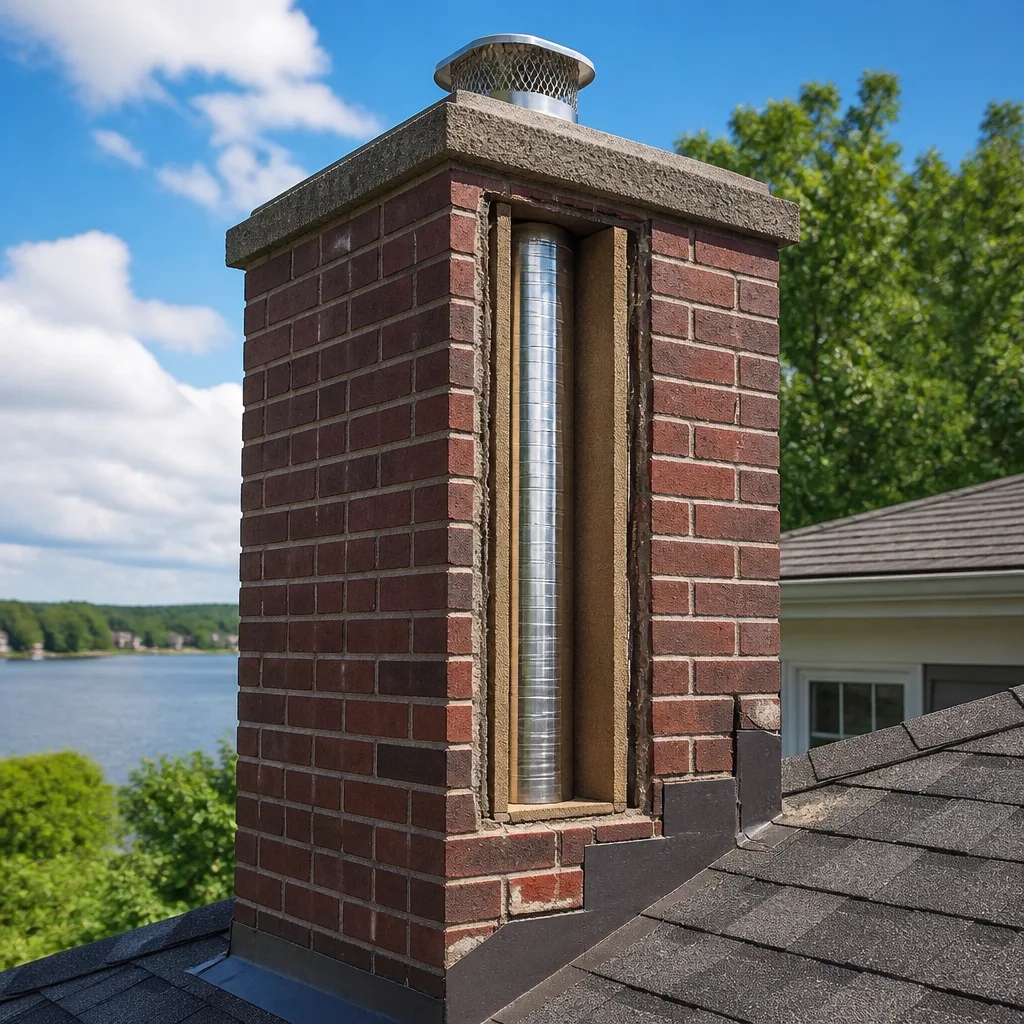
 Flue relining
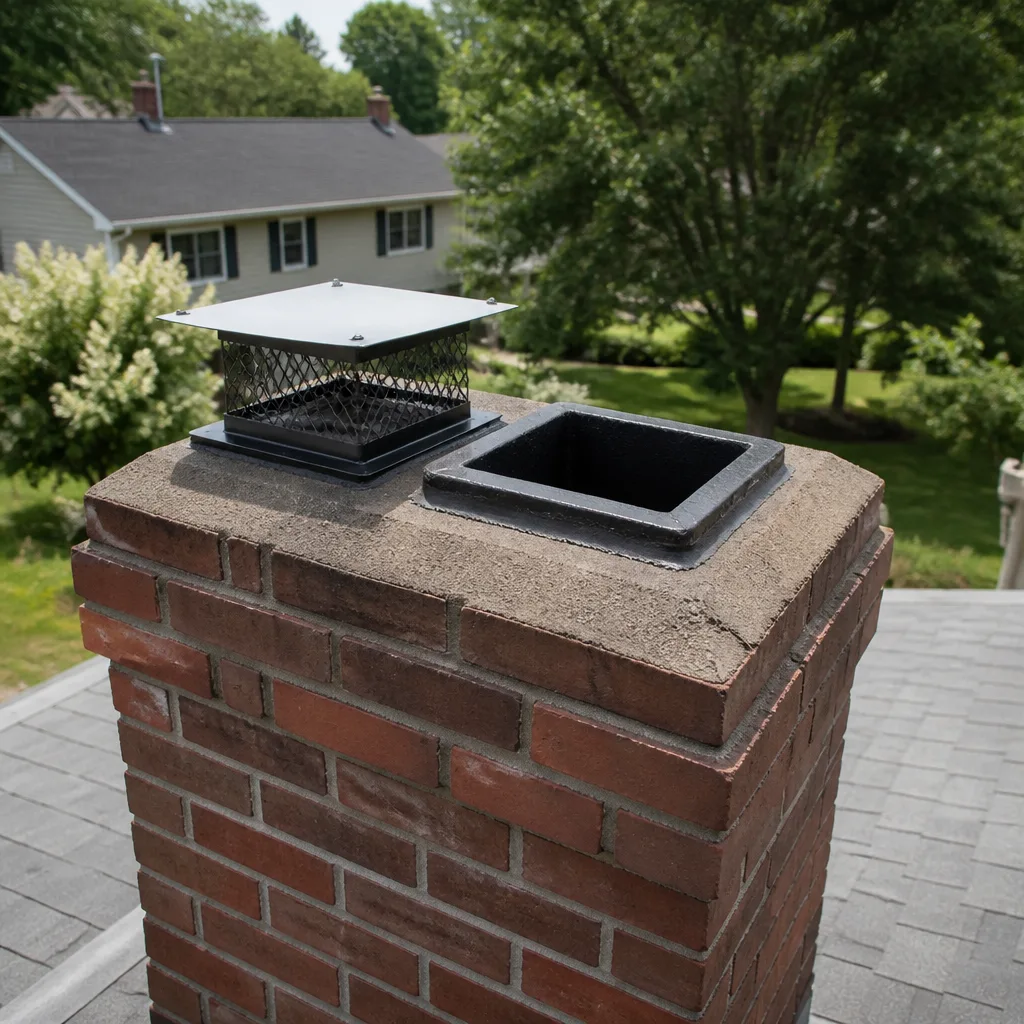 Sweep & inspection
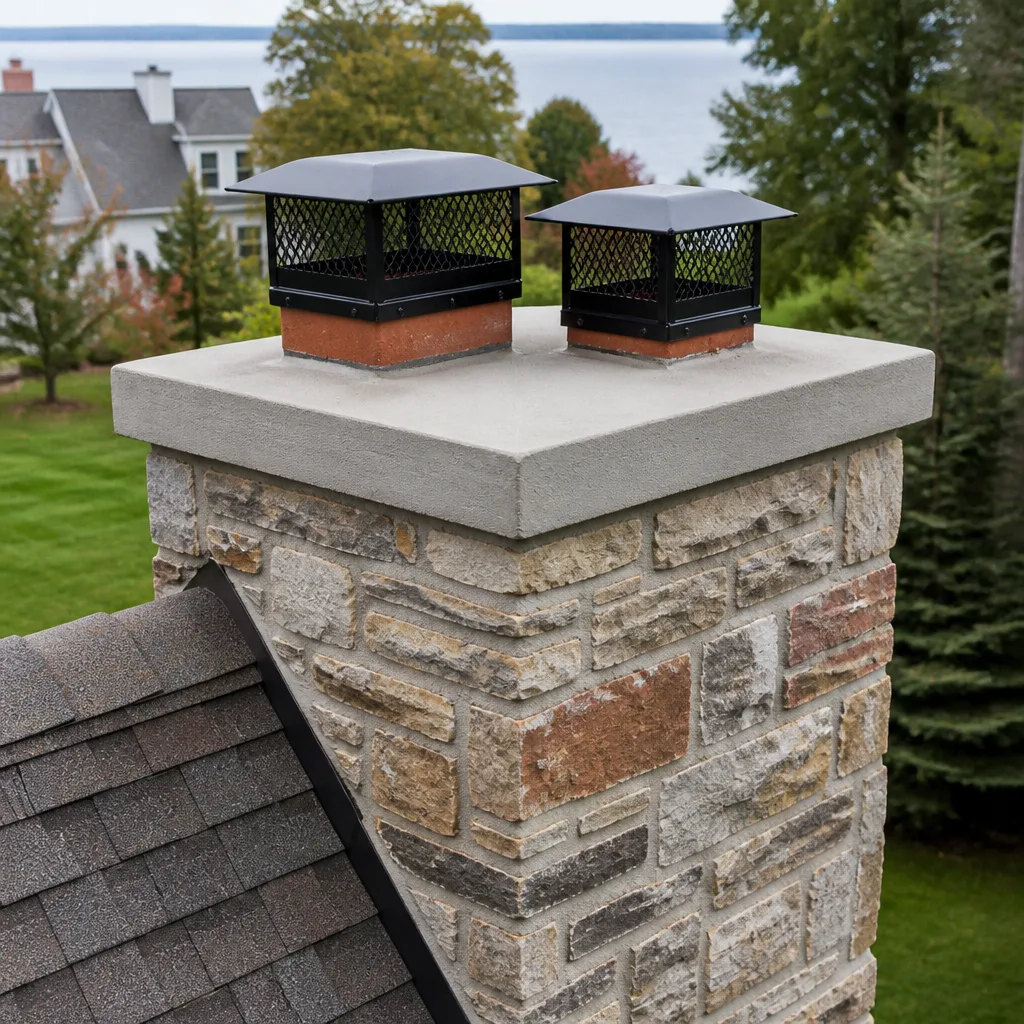 Caps & crowns
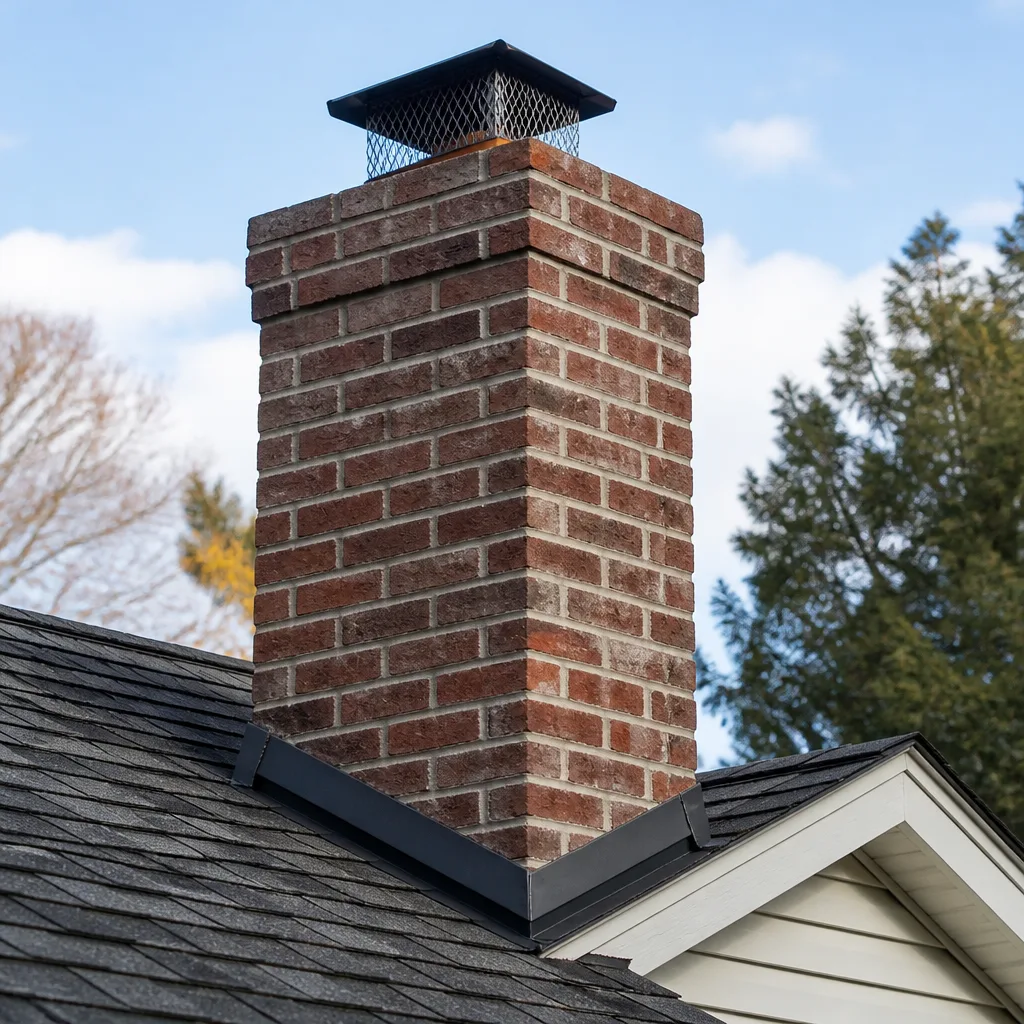 Masonry repair
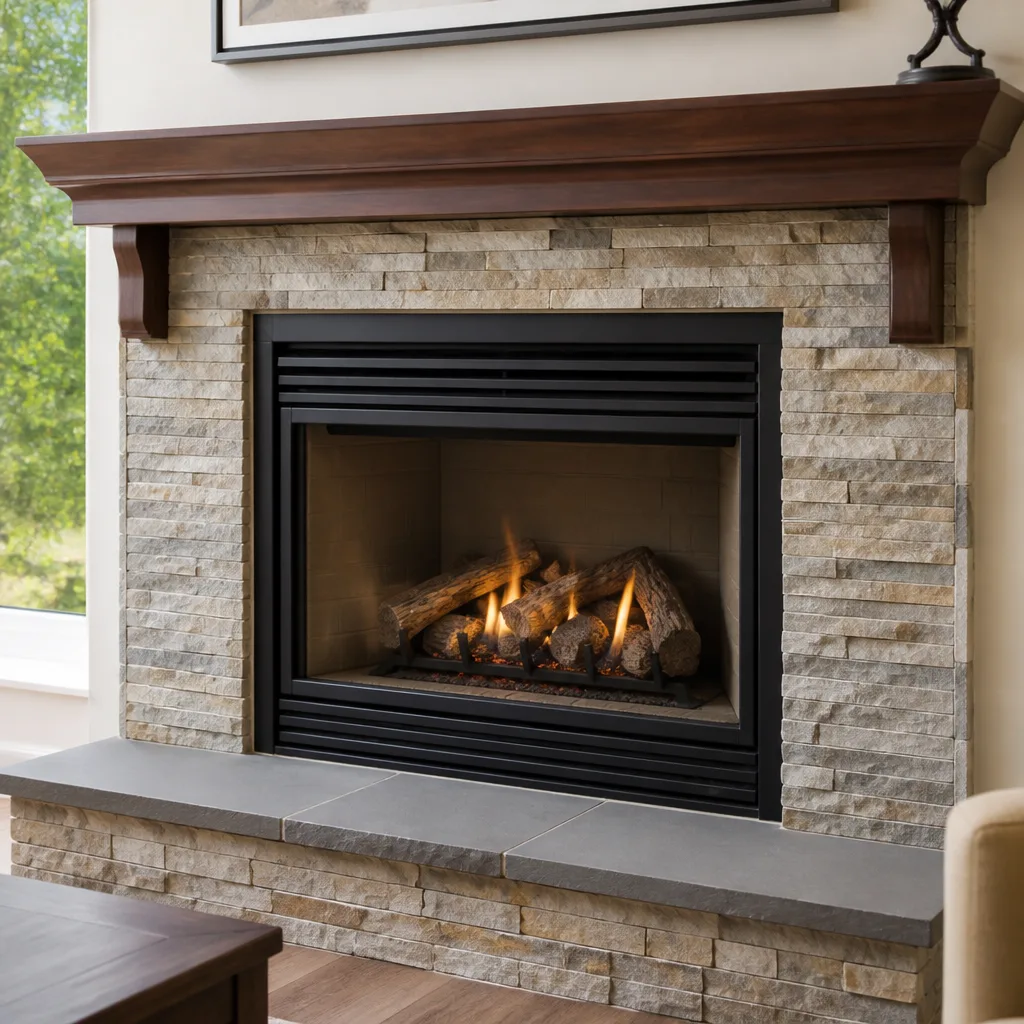 Gas fireplace service
Level 1 sweep and inspection to the NFPA 211 annual standard - flue, crown, cap, and flashing checked and photographed
Chimney sweep logs do not sweep chimneys. They loosen some creosote - which then falls where a brush and vacuum still have to collect it.
Famco Flue Liner Replacement: The San Antonio Owner’s Guide
A Famco flue liner replacement in San Antonio typically runs $1,850 to $3,400 installed, and we stock Famco-compatible liner components on our trucks for most single-story masonry chimney setups. We can usually match your existing Famco liner model within one visit. Most homeowners discover theirs has failed during a routine sweep, when the brush catches a rusted seam or the camera inspection shows a split that wasn’t visible from above. Other times it’s a neighbor’s chimney fire story that prompts the call. Either way, you want to know three things: what failed, what it costs, and whether the new liner will actually fit the way the old one did. That’s what this page answers.
Key takeaways:
- Famco liners use specific diameter and gauge combinations, and matching them correctly matters more than brand loyalty.
- Most Famco flue liners in San Antonio fail from condensation and our hard water run-off, not from fire damage.
- Installed pricing depends mostly on chimney height, roof pitch, and whether the old liner comes out cleanly.
- We’re an independent San Antonio chimney company. We install and replace Famco liners, but we’re not affiliated with Famco.
Which Famco Models This Applies To
Famco makes rigid and flexible stainless steel liners in a range of diameters, most commonly 4-inch through 8-inch for residential chimneys serving furnaces, water heaters, and wood stoves. The liner is sized to the appliance and the flue interior, not to the house style. That’s where the compatibility traps live. A 6-inch Famco flex liner is not interchangeable with a 6-inch rigid section if your chimney has offsets or a clay tile liner that’s crumbled partway down. And an 8-inch liner spec’d for a wood stove won’t necessarily handle a gas appliance without a conversion kit. When we show up in San Antonio for a Famco replacement, the first thing we do is pull the existing liner’s data plate or measure the inner diameter with a caliper, then match it against the appliance’s BTU rating and the chimney’s actual run. Guessing here causes draft problems that no amount of sweeping fixes.
OEM Famco liner sections are good product. But we also work with DuraFlex and Gelco liner systems where the application calls for them. The honest answer on OEM versus aftermarket for Famco specifically: the stainless alloy matters more than the stamp on the side. Famco uses 316L stainless in their flex liners, and so do the quality aftermarket equivalents we carry. What you’re really paying for with OEM is exact spec continuity. With aftermarket, you’re paying for availability. In San Antonio, where summer humidity and winter temperature swings chew through liners faster than drier climates, we typically recommend 316L stainless regardless of brand, and we’ll tell you when a 304 liner will do the job for less money.
Styles & brands we work with
Signs Your Famco Flue Liner Replacement Is Failing
- Rust stains on the firebox floor or around the cleanout door. This means condensation is running down the liner’s interior and pooling at the bottom. In San Antonio’s humid spring and fall, this is the single most common failure pattern we see on Famco liners that are ten years old or older.
- A metallic rattling or ticking sound when the furnace or water heater kicks on. That’s usually a liner seam that has separated and is vibrating against the flue wall. A separated seam lets exhaust escape into the chimney cavity instead of out the top.
- White or gray staining on the exterior brick above the roofline. That’s flue gas condensing and leaching through masonry because the liner is no longer containing it. On San Antonio’s older limestone and brick homes, this shows up as efflorescence, a white chalky crust that keeps coming back.
- Sudden difficulty starting a wood fire, or smoke rolling back into the room when you open the stove door. The liner may have collapsed or the interior has narrowed enough to kill the draft. A chimney that worked last season and won’t draw this season is telling you something structural changed.
- A persistent smell like damp metal or old ashes even weeks after the last fire. Moisture is trapped against a failing liner wall. It’s not just unpleasant. That trapped moisture accelerates corrosion, which takes a deteriorating liner and finishes it off.
If you’re seeing any one of these, the liner needs a camera inspection. If you’re seeing two or three, you’re probably past the point of a simple swap.
See the difference
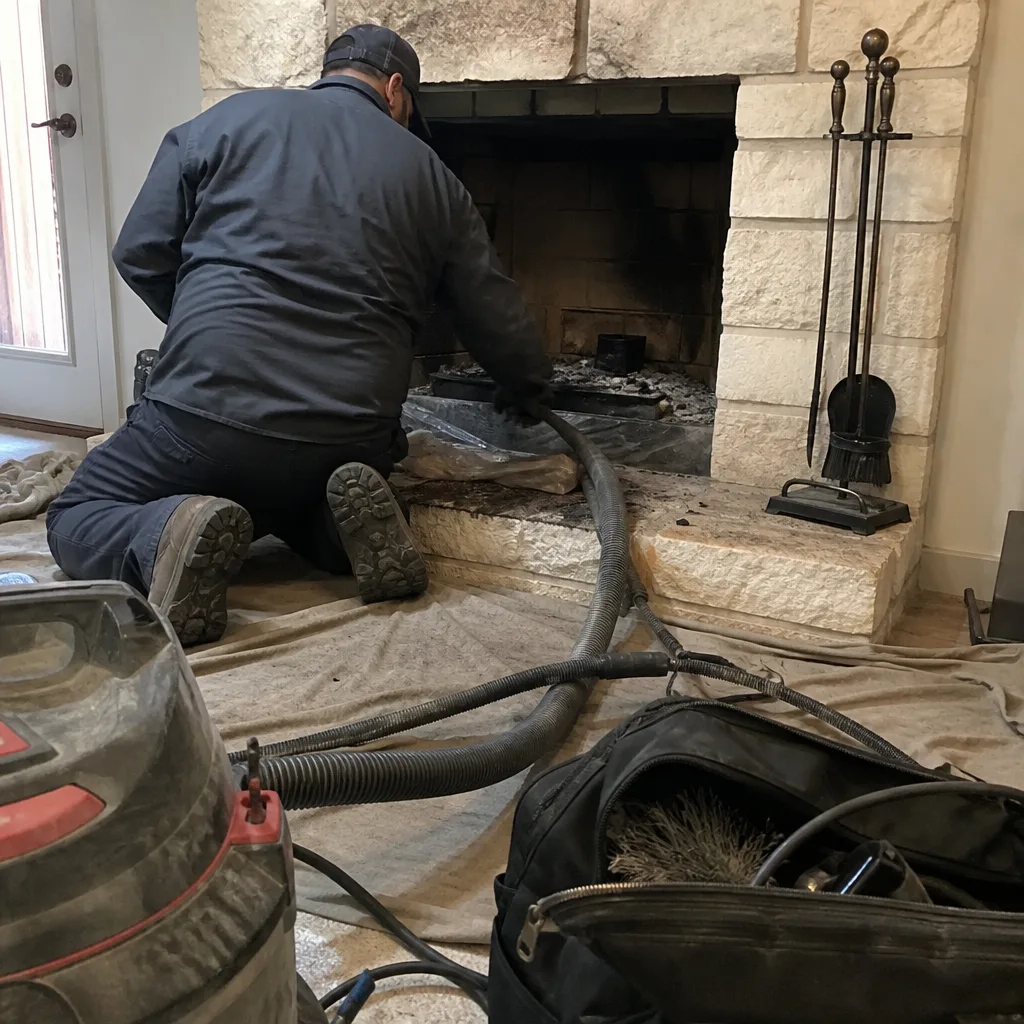 Before
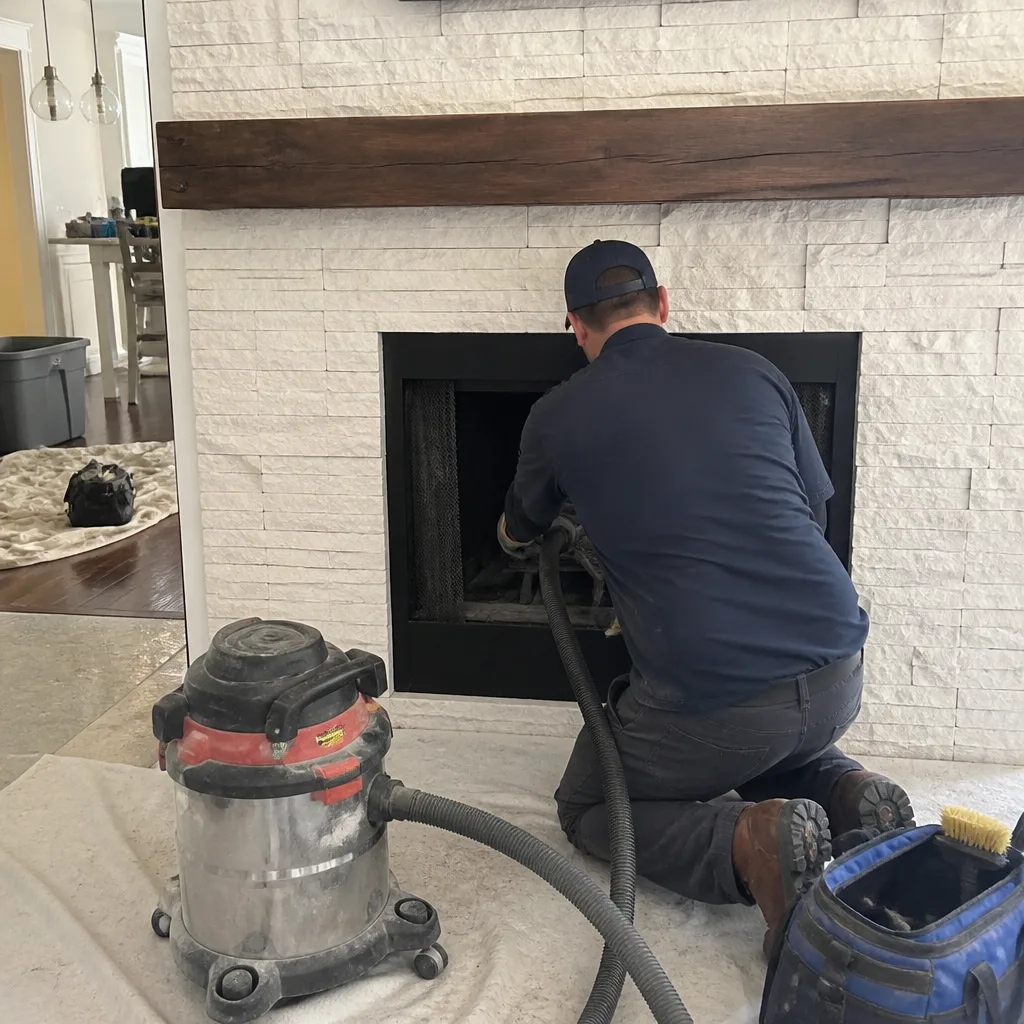 After
After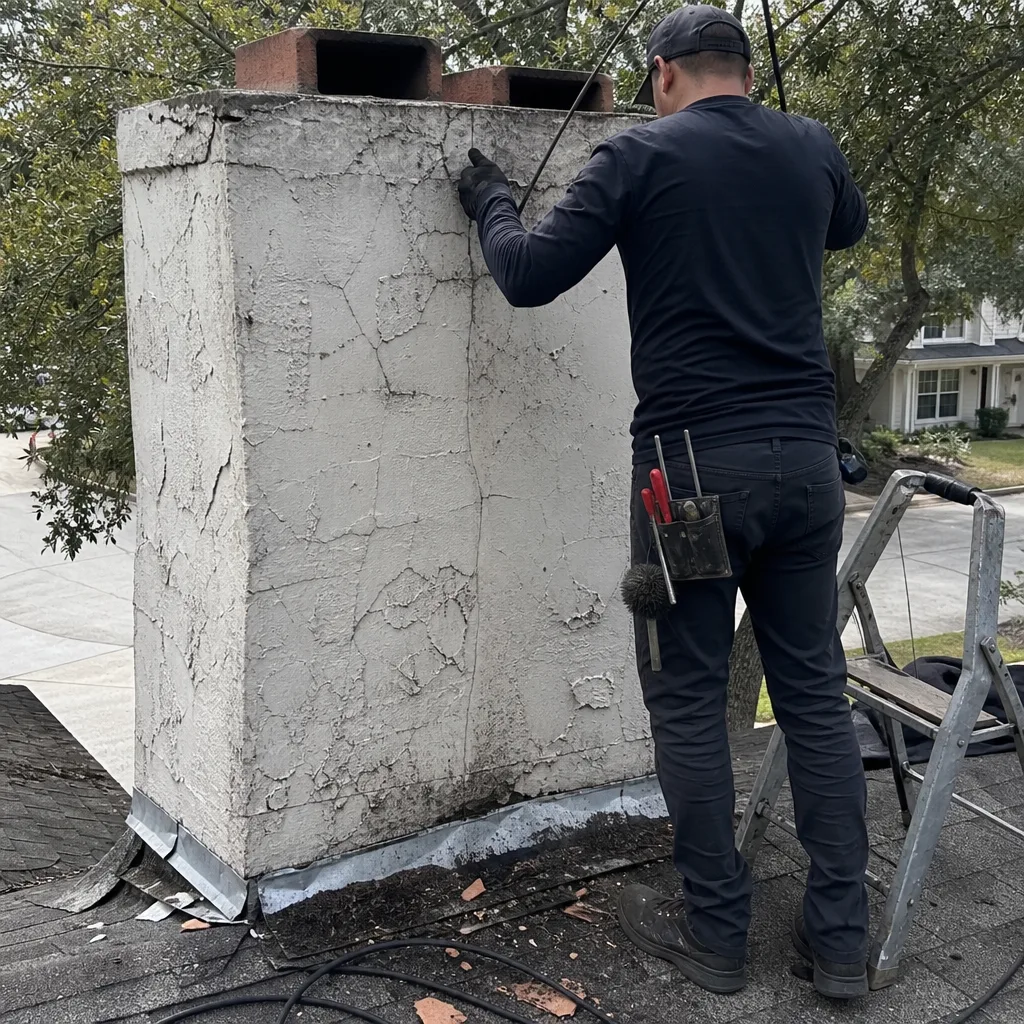 Before
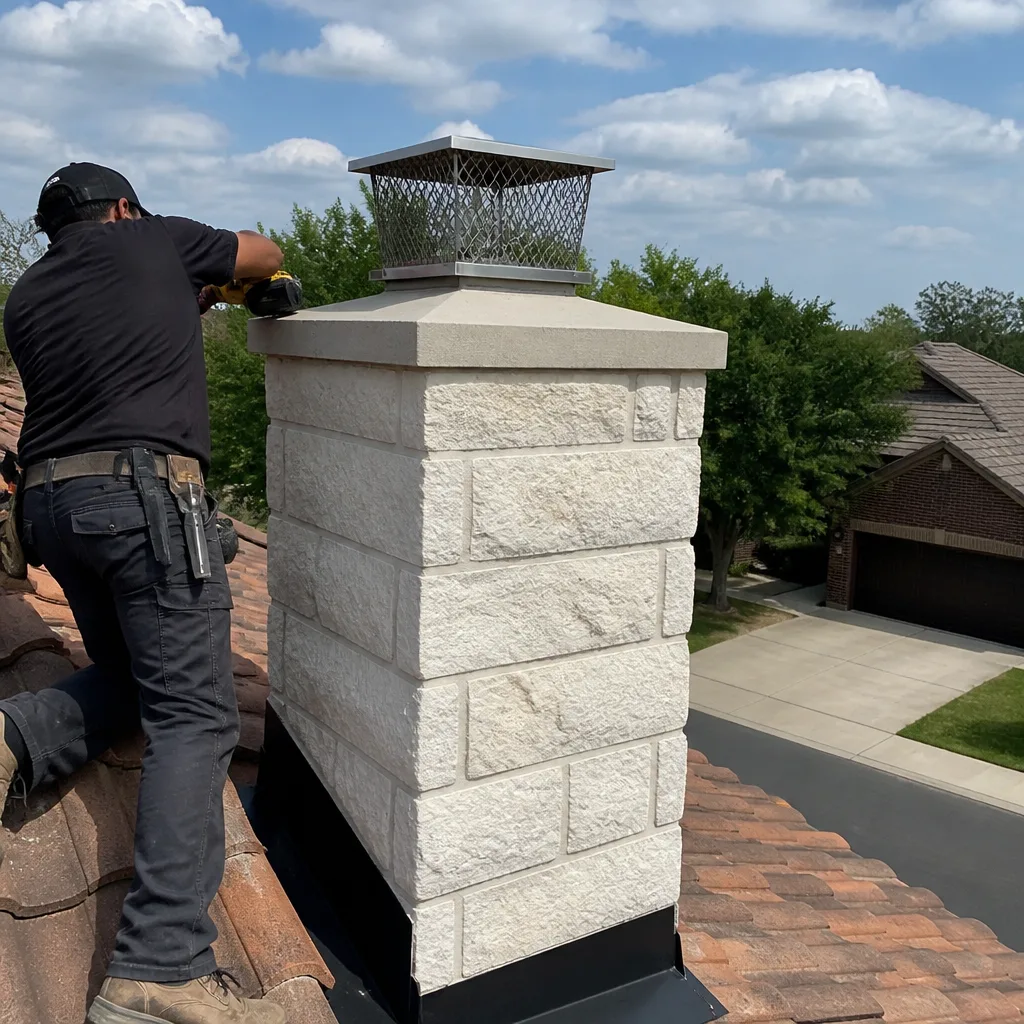 After
After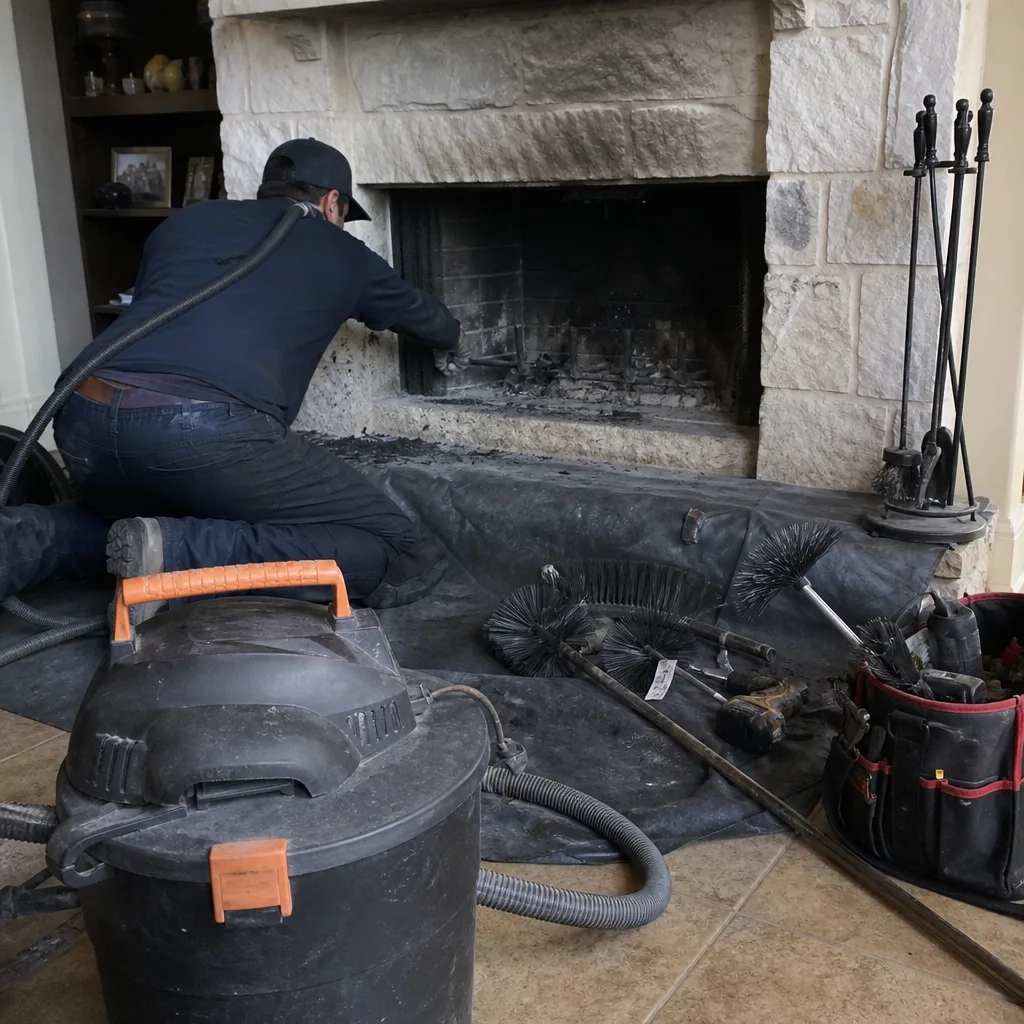 Before
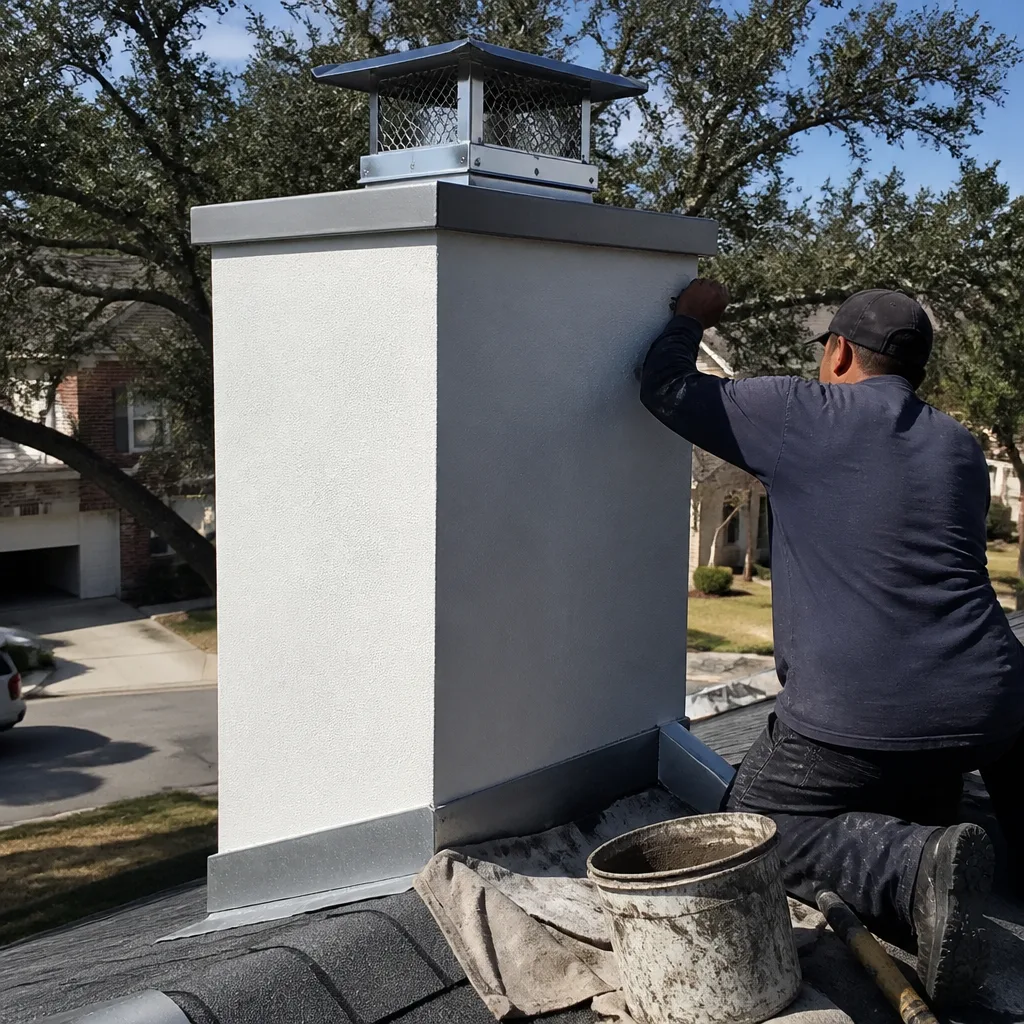 After
AfterReplacement Cost & What’s Included
Here’s what we quote across San Antonio, and these are real numbers based on the homes we serve from Alamo Heights to Stone Oak to Helotes.
| Scope of Work | Typical Range | What Drives the Price |
|---|---|---|
| Single-story, straight flue, 6-inch Famco-compatible liner | $1,850 – $2,400 | Easy roof access, liner pulls out cleanly, no masonry work needed |
| Two-story home, 6-inch liner, moderate roof pitch | $2,400 – $2,950 | Scaffold or ladder work, longer liner run, connection to a furnace and a water heater |
| Wood stove liner with insulation wrap | $2,200 – $3,400 | Insulated liner material, damper removal or modification, stove pipe reconnection |
| Clay tile removal needed before liner install | Adds $600 – $1,200 | Tile breaking and extraction is labor-heavy and messy; some chimneys have multiple tiles collapsed |
Every quote includes the liner material, connectors, any rain cap or top plate replacement needed, the full installation labor, and a camera scan before and after so you can see the condition with your own eyes. You get a written price before we start, and a written guarantee on the repair. If the liner fails within 365 days, the second visit and repair is on us. That’s our Done Right Promise and it’s been in effect since 2002.
A note on San Antonio pricing specifically: our cost landscape is shaped by roof access. Homes here run the gamut from single-story ranch ramblers to three-story King William Victorians. The taller the roofline and the steeper the pitch, the more setup and safety equipment the job requires, and that is honestly reflected in the quote, not hidden in a surprise charge.
DIY or Call Us?
There are exactly two things you can safely do yourself. First, look at the liner where it exits the chimney top and check for visible rust, gaps, or a rain cap that’s come loose. Second, take a flashlight and look up from the firebox or cleanout door for any shiny metal flakes or staining. Both of those are observation, not repair.
What you should not do is pull the liner, buy one online, and attempt the drop. Liners are heavy, they kink, the top plate has to be sealed correctly or you’ll create a leak, and connecting a gas appliance liner to the appliance itself is not a handyman project. A bad liner connection is how carbon monoxide finds its way into a home. Ruben Castellano learned this trade through Los Angeles Trade-Technical College’s building and construction program, and he’s spent years on San Antonio rooftops since. He’ll still tell you some chimneys surprise him. That’s the thing about this work: the chimney doesn’t reveal its problems until you’re inside the flue with a camera. Scheduling a professional replacement means the work gets done to code and you don’t spend a Saturday afternoon on a hot roof wondering if the seam will hold.
If you want a straight answer on whether your Famco liner needs replacing or just cleaning, call (903) 515-5079. We’ll come out, run a camera, and show you exactly what we saw. If the liner is fine, we’ll tell you that too. I would rather give you a straight answer today than a vague promise you have to call us back about tomorrow.
FAQs
A Famco stainless liner in San Antonio typically lasts 12 to 20 years, with the shorter end of that range applying to gas furnace liners exposed to constant condensation. Our local humidity and frequent temperature cycling between hot days and cold fronts accelerate corrosion faster than in drier climates like Phoenix or El Paso. A yearly inspection catches liner thinning before it becomes a full split.
Small holes or seam separations near the top of the liner can sometimes be patched with a stainless repair sleeve, but patches are temporary, usually buying one to three years of service at best. If the liner has multiple splits, heavy scaling, or is separating at a joint below the roofline, replacement is the better use of your money. Call us for a camera inspection and we’ll show you the footage that drives our recommendation either way.
Most single-story Famco liner replacements in San Antonio are completed in three to five hours, including setup, removal of the old liner, installation of the new one, and a final camera verification. Two-story homes or chimneys with collapsed clay tiles add time, usually pushing the job to a second day. We’ll confirm the window when you book and stick to it.
We carry common Famco-compatible liner diameters and gauges on our trucks, along with connectors, top plates, and rain caps. If your chimney needs a less common size or a specific alloy grade, we source it from our San Antonio supplier and schedule the install within a few days. Also on the truck: DuraFlex, HeatShield, and Gelco components for situations where those systems serve the chimney better.
Have a Famco liner that’s showing rust, rattling, or not drafting like it used to? Call (903) 515-5079 for a free estimate. A live person answers, day or night, and we’ll get you scheduled before the first cold snap.
Written by Ruben Castellano, Owner, Alcott Chimney San Antonio at Alcott Chimney San Antonio, serving San Antonio and nearby areas.