
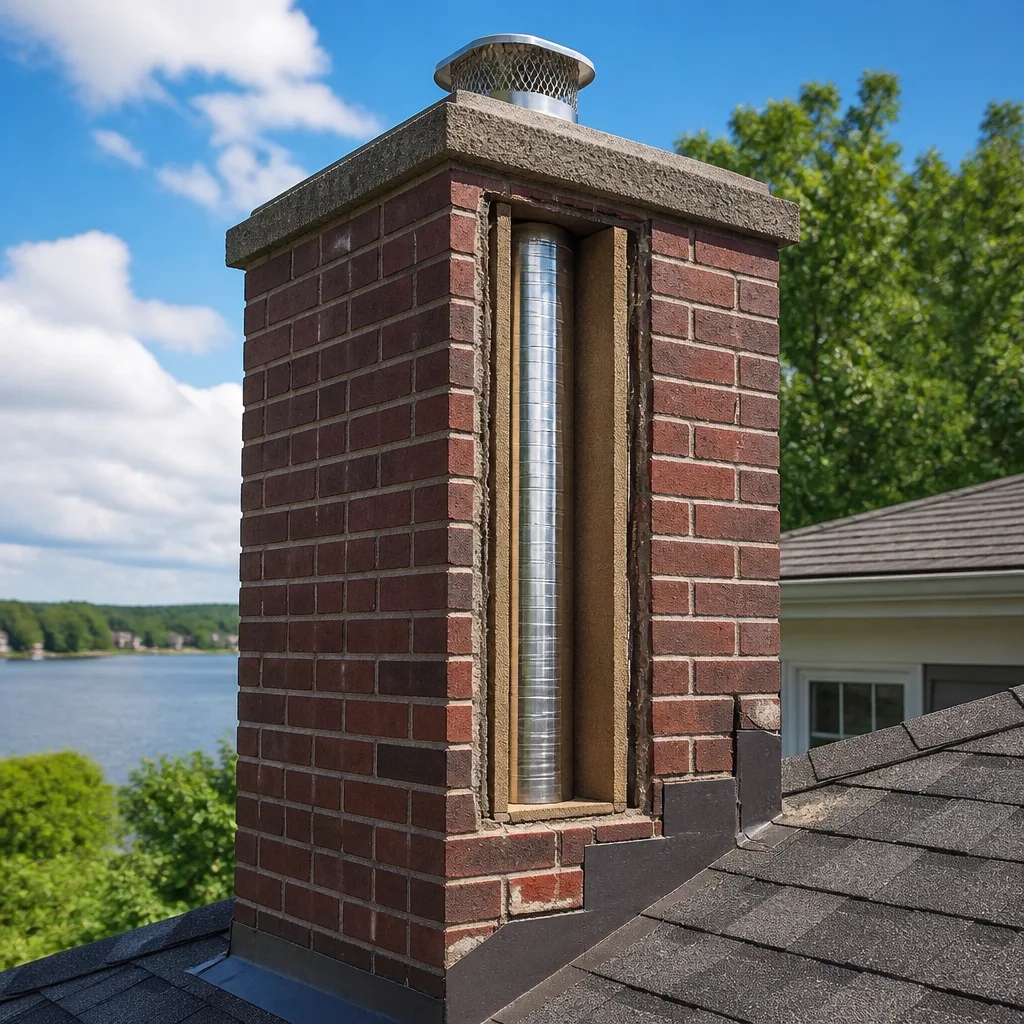
 Flue relining
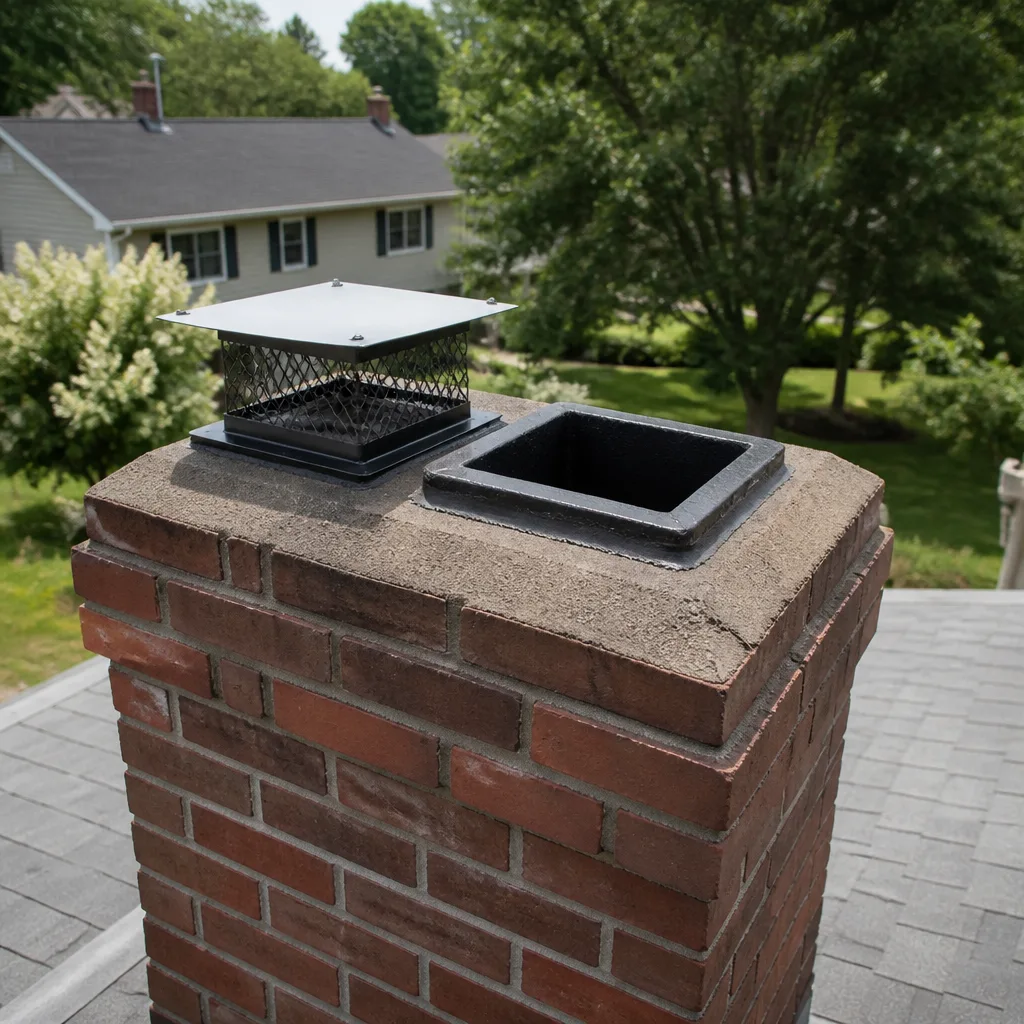 Sweep & inspection
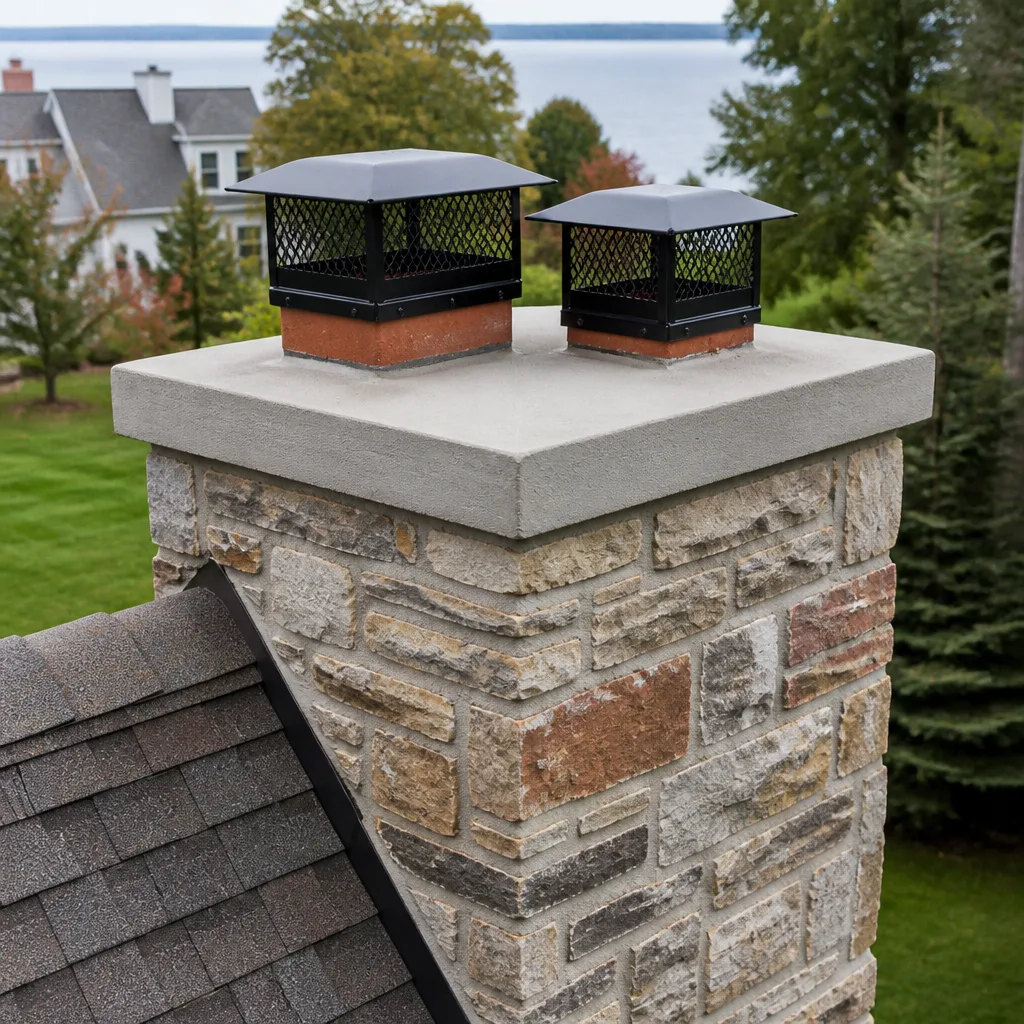 Caps & crowns
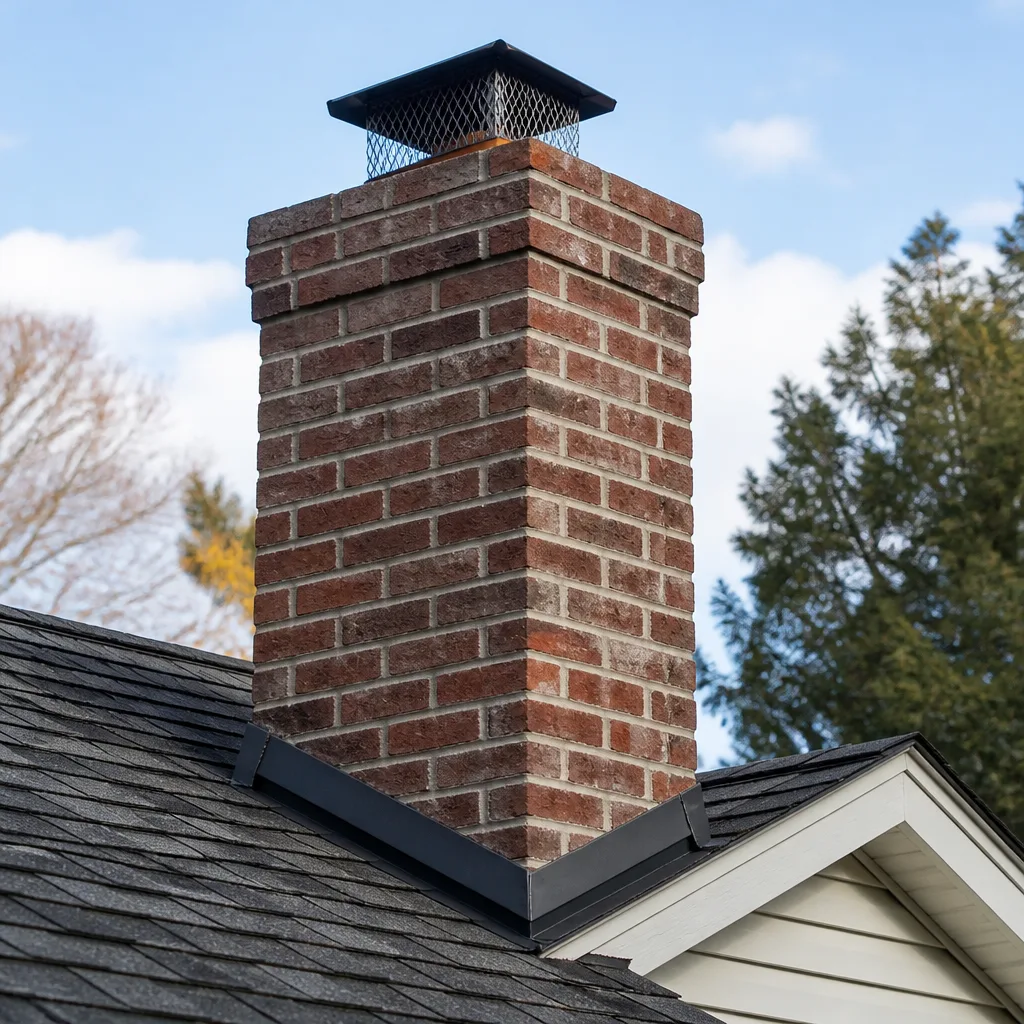 Masonry repair
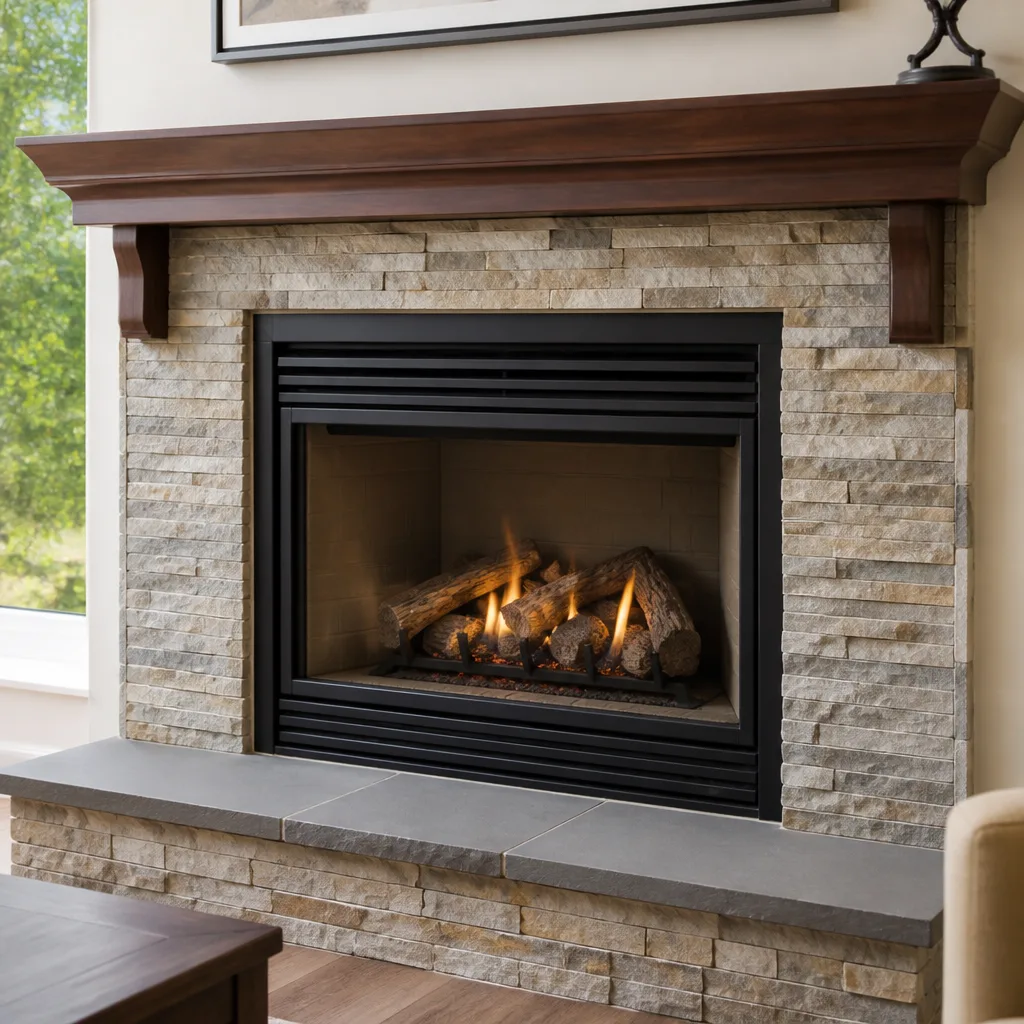 Gas fireplace service
Level 1 sweep and inspection to the NFPA 211 annual standard - flue, crown, cap, and flashing checked and photographed
Chimney sweep logs do not sweep chimneys. They loosen some creosote - which then falls where a brush and vacuum still have to collect it.
Copperfield Flue Liner Replacement: The San Antonio Owner’s Guide
A Copperfield flue liner replacement in San Antonio typically runs $1,650 to $3,200 installed, depending on the liner diameter, the height of your chimney, and whether the old liner comes out cleanly or fights us on the way up. We stock Copperfield-compatible liner systems and related components on our trucks for common sizes, so many jobs can be scheduled within a few days of your first call to (903) 515-5079. Most San Antonio homeowners discover their liner has failed during an annual chimney sweep or after a chimney inspection for a home sale, when the camera shows cracks, separated seams, or rust-through that was invisible from the outside.
Key takeaways:
- Installed replacement typically runs $1,650 to $3,200, with a written price before any work begins
- We install professional-grade Copperfield-compatible liners, not box-store substitutes
- Every replacement carries a written guarantee and the 365-Day Done Right Promise
- Alcott Chimney San Antonio is an independent service provider, not affiliated with Copperfield
Which Copperfield Models This Applies To
Copperfield’s chimney liner catalog splits into two broad families: the rigid stainless steel liner sections (available in 5-, 5.5-, 6-, 7-, and 8-inch diameters) and the flexible stainless steel liner, which is what we install in the majority of San Antonio homes because it handles offsets and bends in older masonry chimneys without needing a teardown. The most common sizes we replace around here are 6-inch liners in the stone and brick fireplaces of Alamo Heights and Terrell Hills, and 5.5-inch liners in the tighter flues common to mid-century ranch homes further out on the northeast side.
Identifying your liner size before you call saves you a trip back and forth. Look for the manufacturer’s tag on the appliance or on the existing liner above the firebox, or measure the inside diameter of the round flue opening where the liner connects to the stove or insert. The gotcha we see often in San Antonio: a homeowner measures the ceramic flue tile and orders based on that, but the actual minimum diameter for a Copperfield-compatible liner depends on the appliance’s BTU output and the chimney’s total height, not the old tile size. That’s a spec you need matched correctly, because an undersized liner drafts poorly and an oversized liner never gets hot enough to burn off creosote. We measure before we quote, every time.
On the OEM versus aftermarket question: Copperfield-branded flexible liner is good stainless steel, usually 316Ti alloy, which is the grade we want for a wood-burning fireplace because it resists the acids produced when creosote builds up and burns. Quality aftermarket 316Ti liner from the other trade brands we carry, DuraFlex and Gelco included, matches or exceeds Copperfield’s spec for the same application, and it costs less because you are not paying for the name printed on the box. We install both and will show you the difference on paper before you decide.
Styles & brands we work with
Signs Your Copperfield Flue Liner Replacement Is Failing
- Flakes of rust-colored metal in the firebox or at the cleanout door. This is the liner shedding scale after the stainless steel’s protective oxide layer has burned off from repeated hot fires. Once you see flakes, the liner is thinner than it should be, and the question is no longer if it will fail but when.
- A declining draft, even with the damper fully open and clean flue tiles. You may notice smoke rolling back into the room on startup or the fire just not pulling like it used to. Small cracks and separated seams in a liner let air slip in where it should not, which breaks the vacuum that pulls smoke up.
- Moisture staining on the interior chimney wall or a musty smell from the hearth in June. A failed liner lets flue gases condense inside the chimney chase, and that condensation is acidic enough to soak into masonry and wick through to the wall finish. In San Antonio’s humid spring and fall, this shows up faster than in dry climates because the masonry never fully dries.
- Creosote building up on the outside of the liner, not just the inside. During an inspection with a camera, we see this as a black, tar-like glaze on the stainless steel’s exterior surface. It means the liner has gaps and the smoke is escaping into the space between the liner and the flue tile, which is a chimney-fire path waiting to happen.
- A faint ammonia or sulphur smell near the chimney chase, especially after rain. That odor is flue gas mixing with Texas humidity. If you are catching that smell in a bedroom or upstairs hallway, call us before you light the next fire.
See the difference
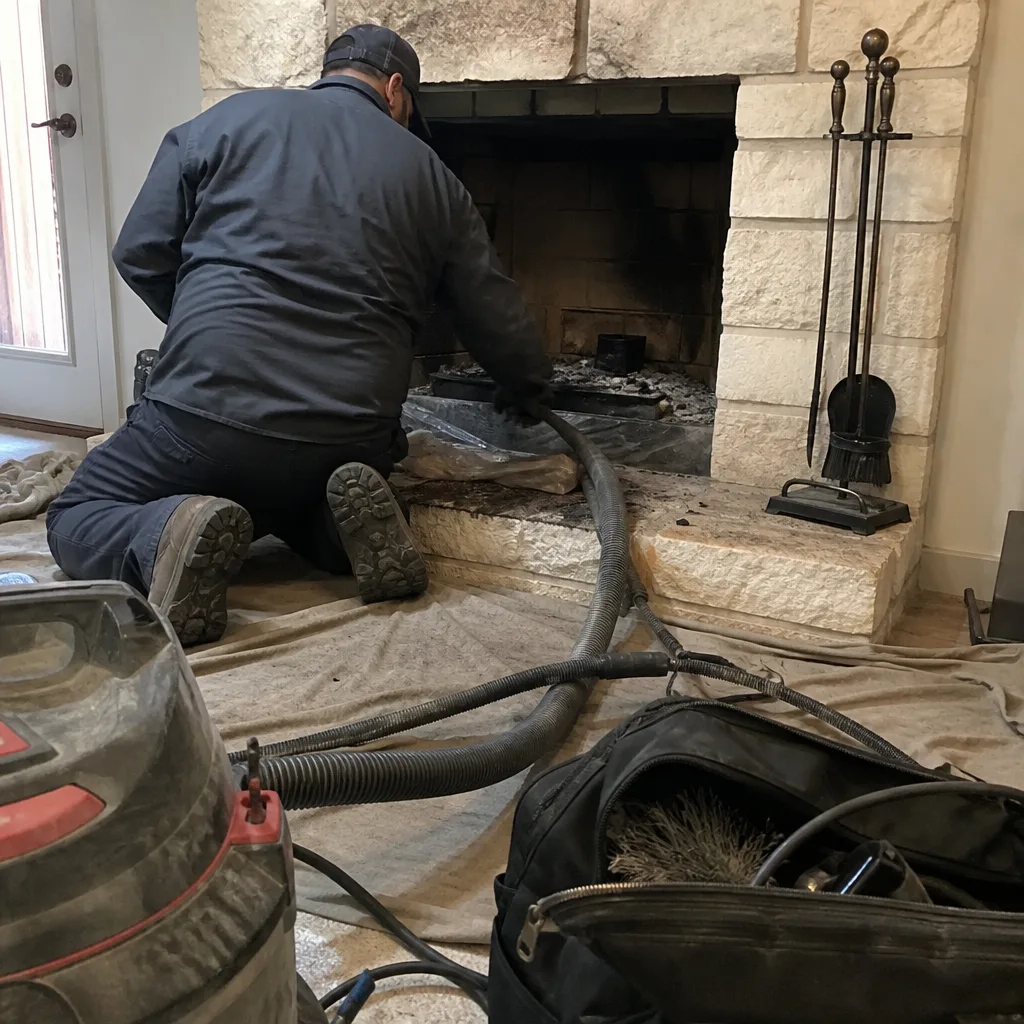 Before
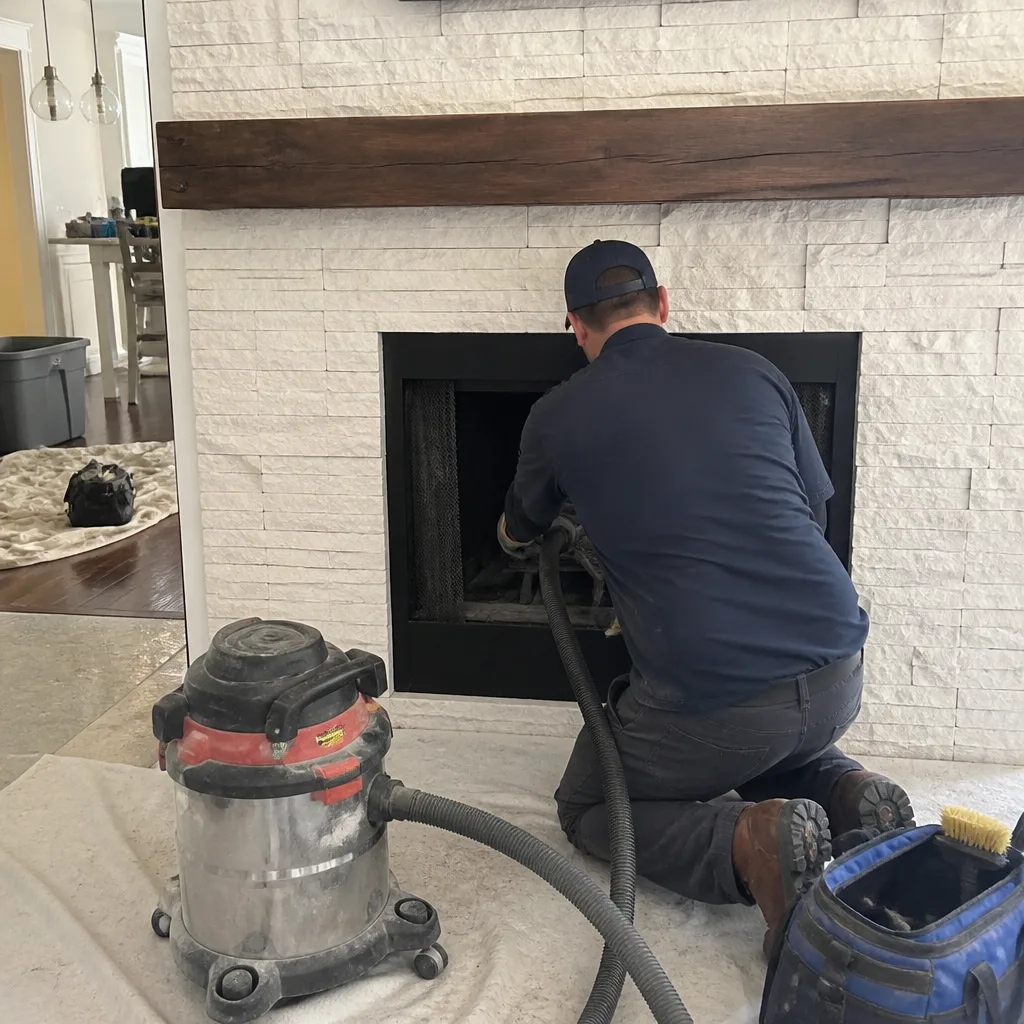 After
After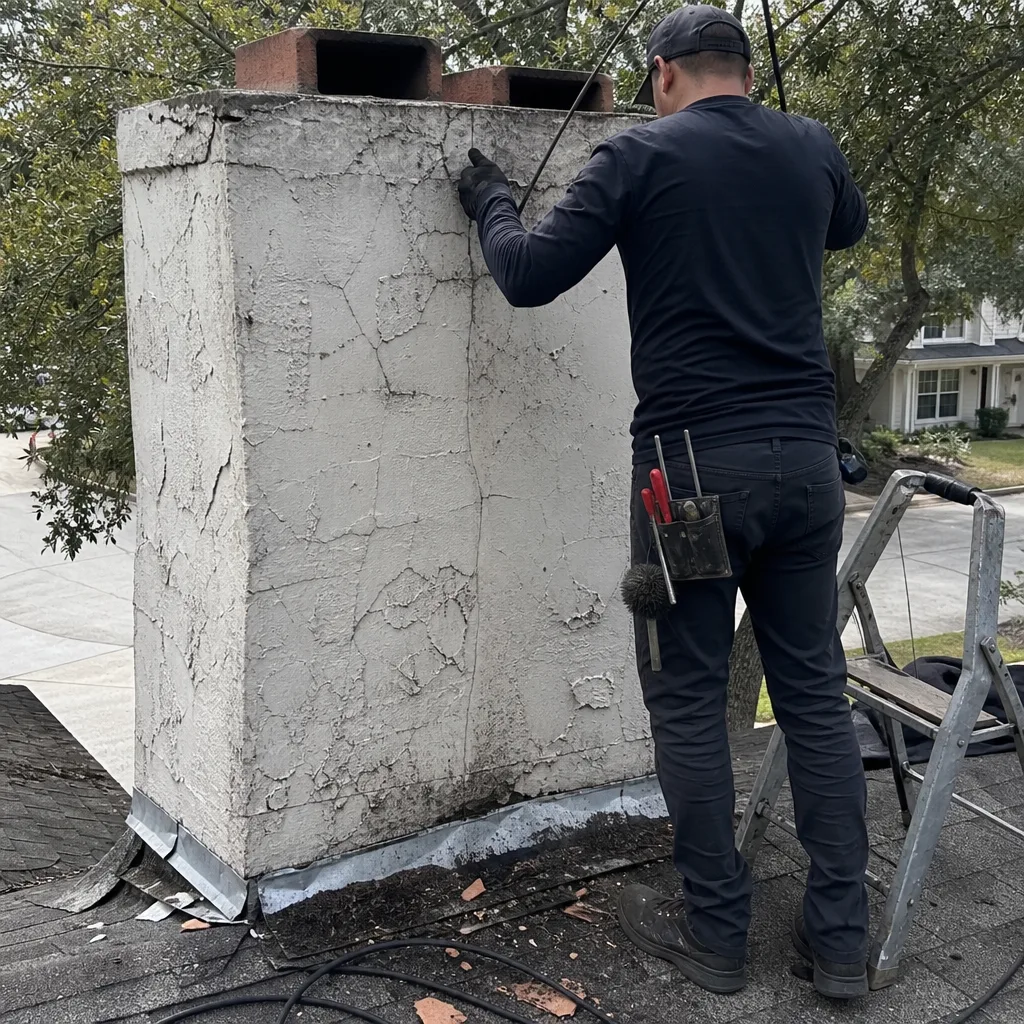 Before
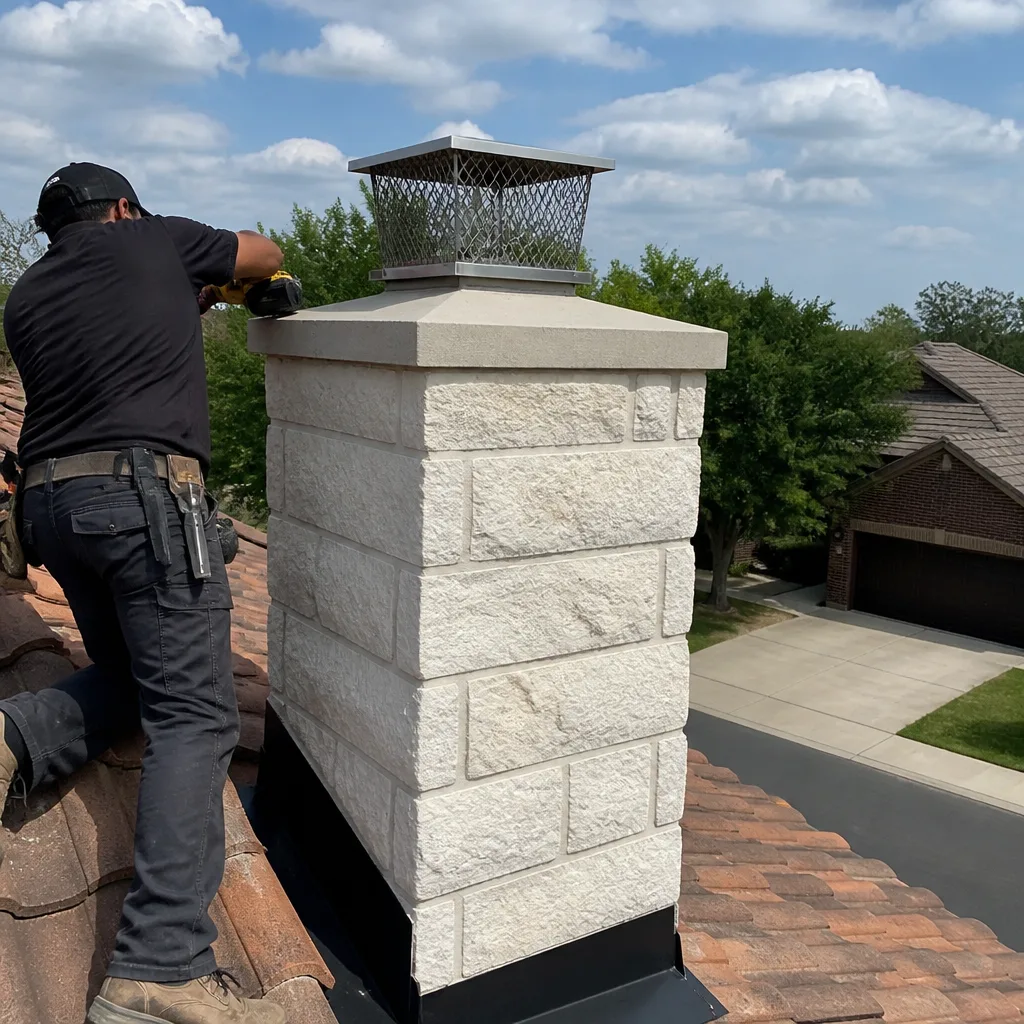 After
After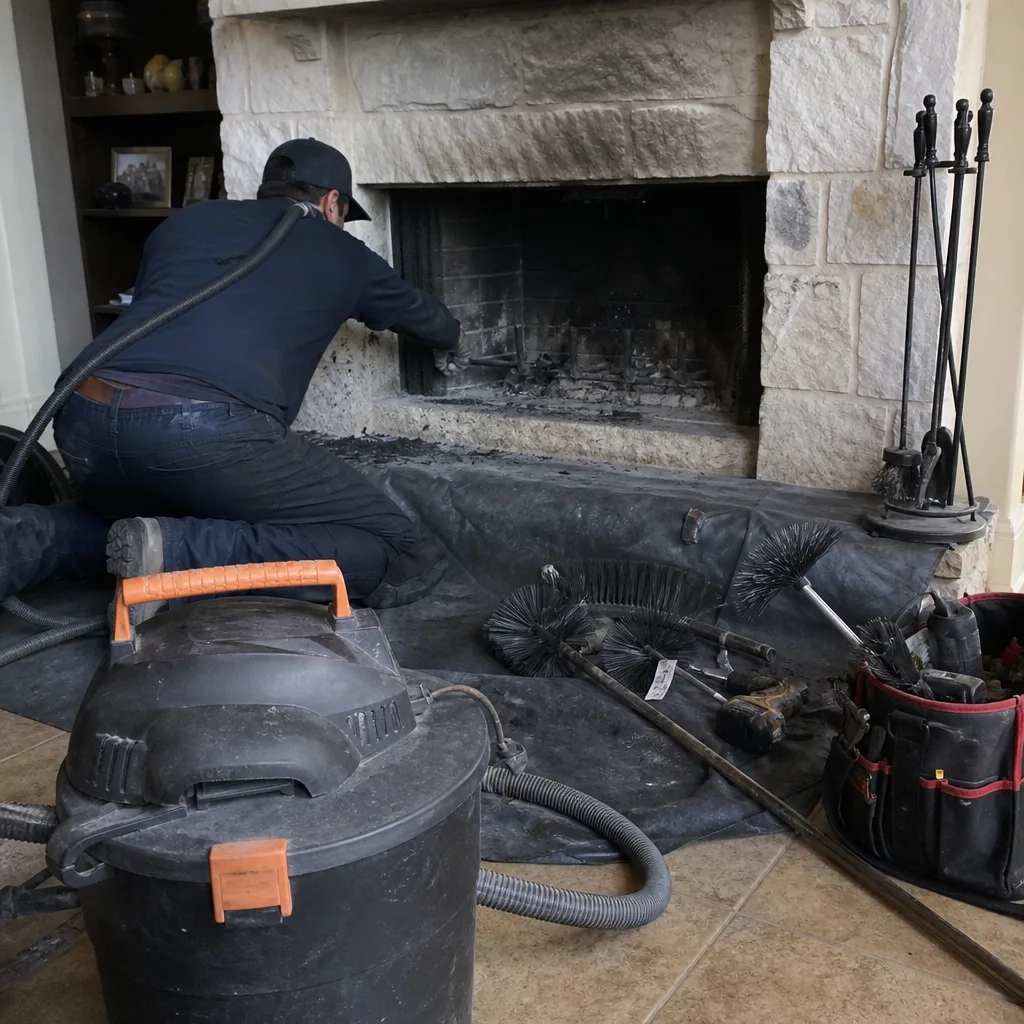 Before
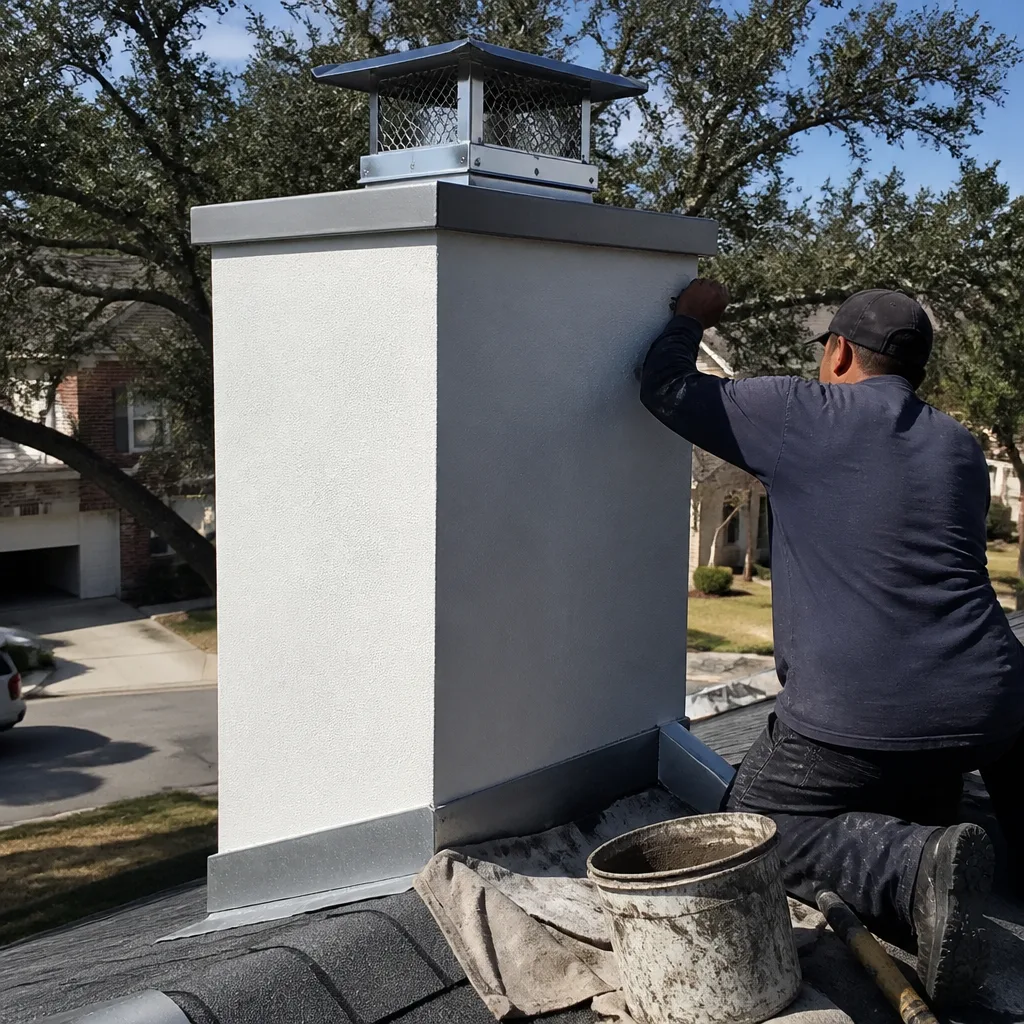 After
AfterReplacement Cost & What’s Included
A 6-inch Copperfield-compatible flexible liner replacement in San Antonio runs about $1,650 to $2,400 for a single-story home with a straight flue. Two-story homes with a taller chase, or chimneys with offsets that require more liner and a heavier pull, run $2,400 to $3,200. The price includes the liner itself, the top plate, the connector at the appliance, any required insulation wrap, and the labor to remove the old liner and secure the new one. Most of the cost is labor and access; the liner material itself is usually only 25 to 35 percent of the total.
Every quote is a written price delivered before any work begins. No additions at the end unless you approve them in writing first. The replacement carries a written guarantee covering the installation workmanship, and if the repair fails within the coverage period, the second visit is free. That’s what the 365-Day Done Right Promise means: a full year of accountability on the completed job, not a verbal handshake.
DIY or Call Us?
You can safely check a few things on your own: note the make and model of your fireplace or insert, measure the visible flue opening, and look for rust flakes in the firebox. That information helps us quote faster. What you should not do is attempt to remove or install a flue liner yourself. The liner drops down a masonry chase that can be 20 to 35 feet tall, and if a section binds or disconnects mid-pull, you have a steel snake lodged in your chimney with no way to retrieve it from the bottom. We have had to fix amateur liner jobs where the homeowner ordered a cheaper steel liner, pulled it through, and then discovered the grade was 304 stainless, not 316Ti. It warped and cracked within two burning seasons. Replacing it twice costs more than doing it right once.
If you suspect the liner is compromised, call (903) 515-5079 and schedule a camera inspection. We will show you exactly what’s inside the flue, tell you plainly whether it needs replacement now or can wait, and put the price in writing before you agree to anything.
FAQs
A properly installed 316Ti stainless liner in a wood-burning fireplace can last 15 to 25 years in San Antonio’s climate, though liner lifespan drops fast if you burn green wood or skip annual sweeps. The most common failure we see at the 10-year mark is thinning near the top where hot gases exit and rain enters, not a catastrophic failure all at once. An annual inspection catches that thinning early. Call (903) 515-5079 to schedule one.
A small separation at a seam can sometimes be re-banded, but a liner with multiple cracks, rust-through, or collapsed sections is a replacement, not a repair. We will show you the camera footage, not just describe it over the phone. The rule we follow is simple: if the repair will not confidently last five years, we will not sell it. Call (903) 515-5079 for an honest assessment.
Most single-story liner replacements are finished in four to six hours, including removing the old liner, assembling and dropping the new one, and securing the top plate and connector. Two-story homes or difficult access may run a full day. We give you a clear time window before we book the job.
We stock 316Ti flexible liner in 6-inch and 5.5-inch diameters on most of our trucks, along with top plates, connectors, and insulation wrap. For larger or less common sizes, we order from our trade suppliers, which typically takes two to three business days. We also carry compatible systems from DuraFlex, HeatShield, and Gelco. Call (903) 515-5079 and we will confirm what we have before you do anything else.
Need a straight answer about your chimney? We would rather give you one today than a vague promise you have to call back about tomorrow. Reach Alcott Chimney San Antonio at (903) 515-5079 for a free estimate on Copperfield flue liner replacement or a camera inspection anywhere in San Antonio.
Written by Ruben Castellano, Owner, Alcott Chimney San Antonio at Alcott Chimney San Antonio, serving San Antonio and nearby areas.