
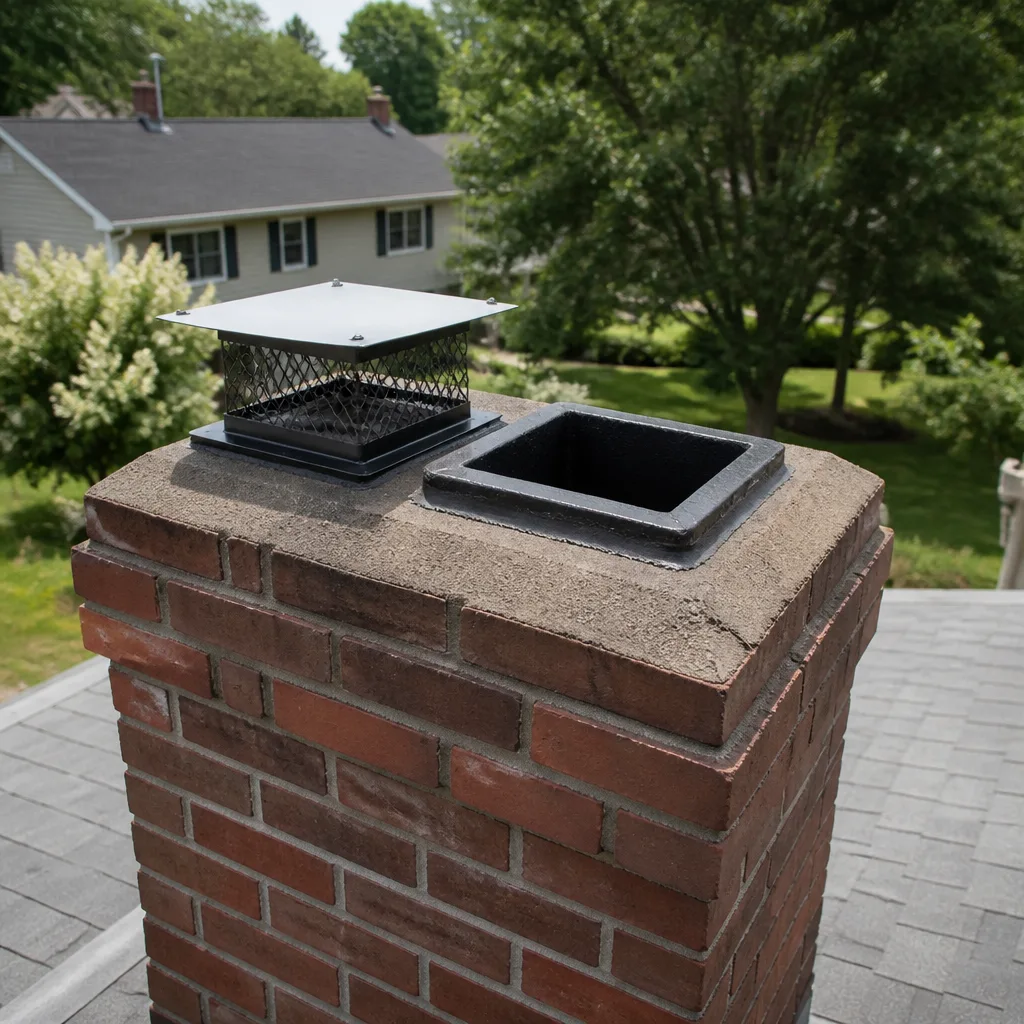
 Sweep & inspection
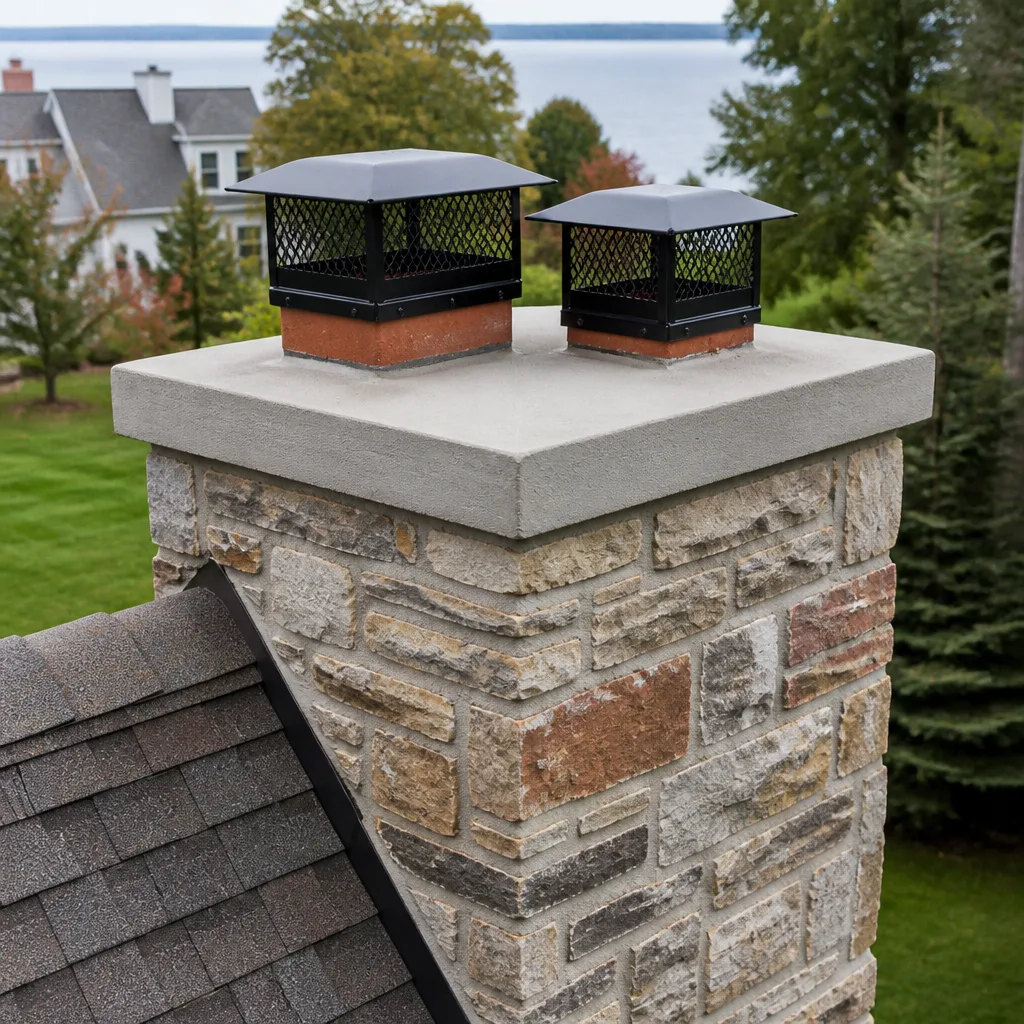 Caps & crowns
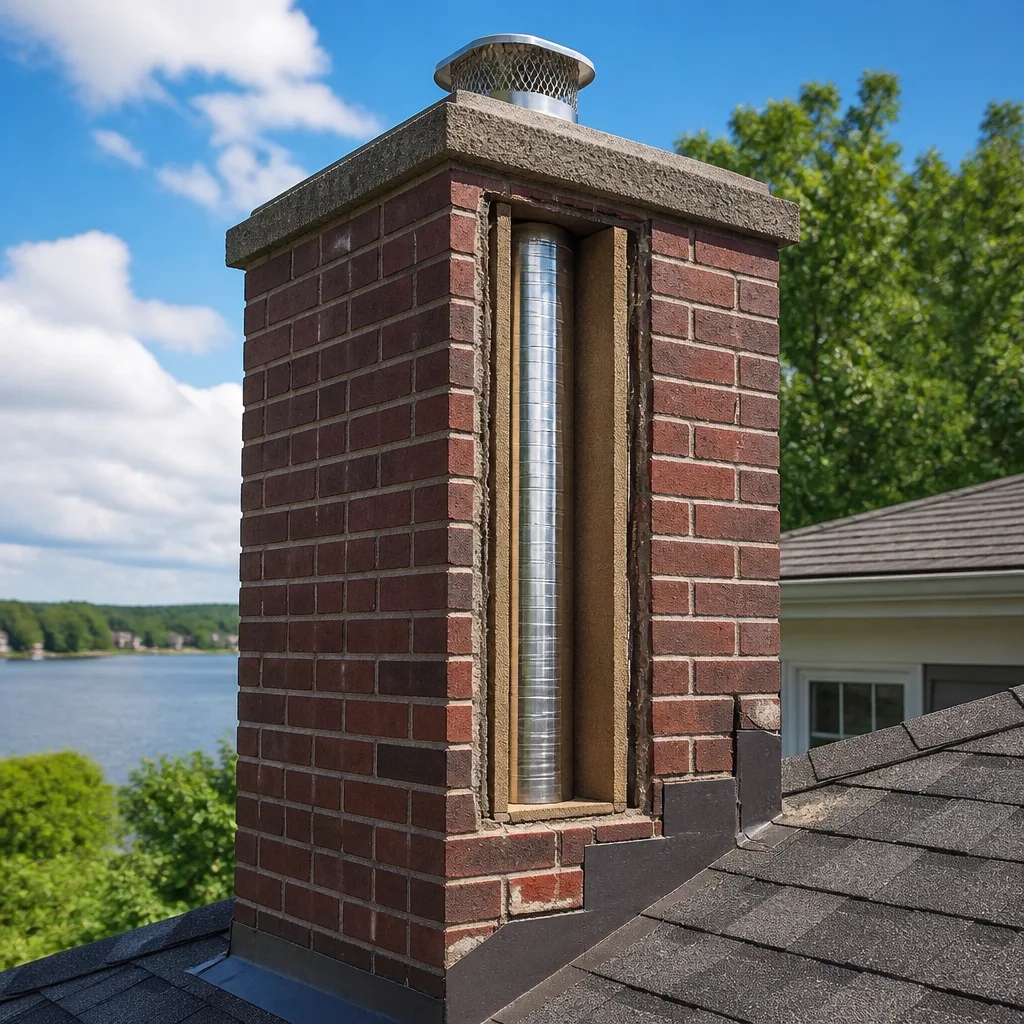 Flue relining
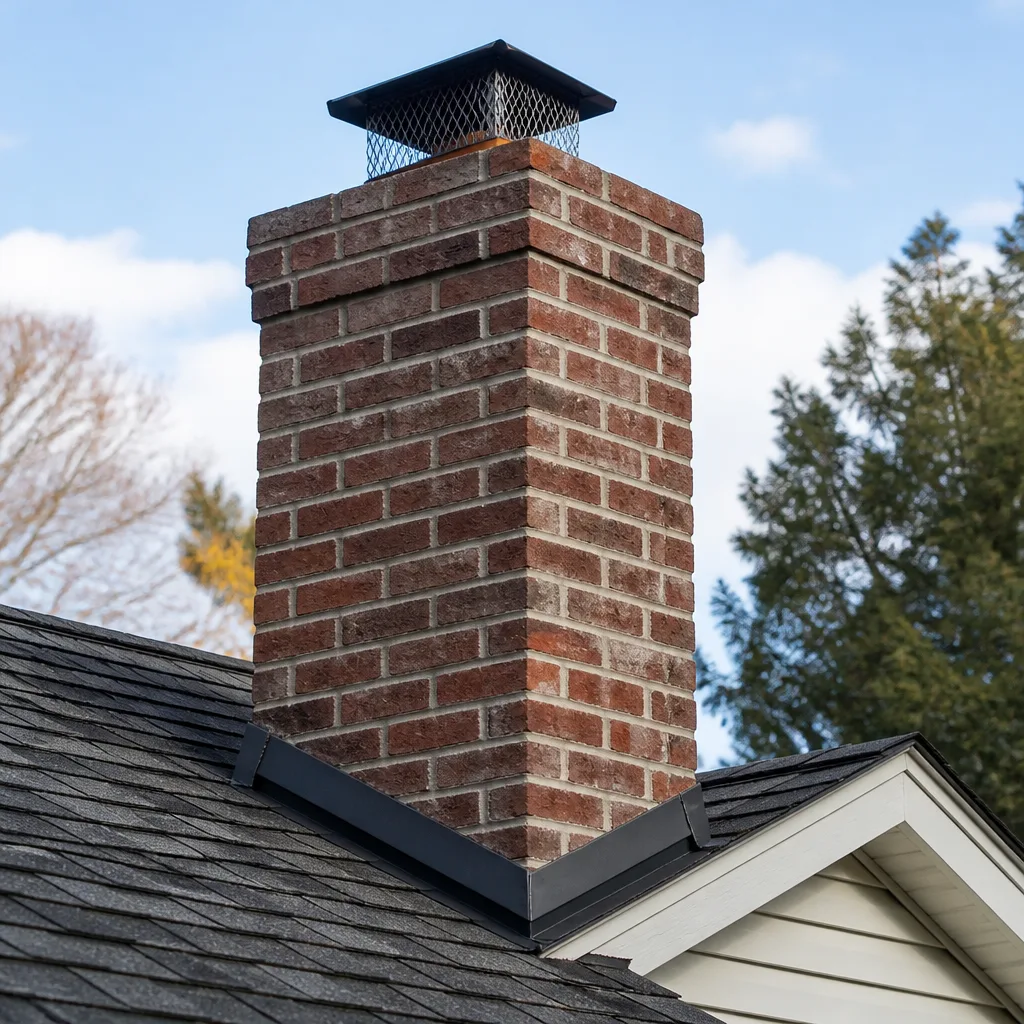 Masonry repair
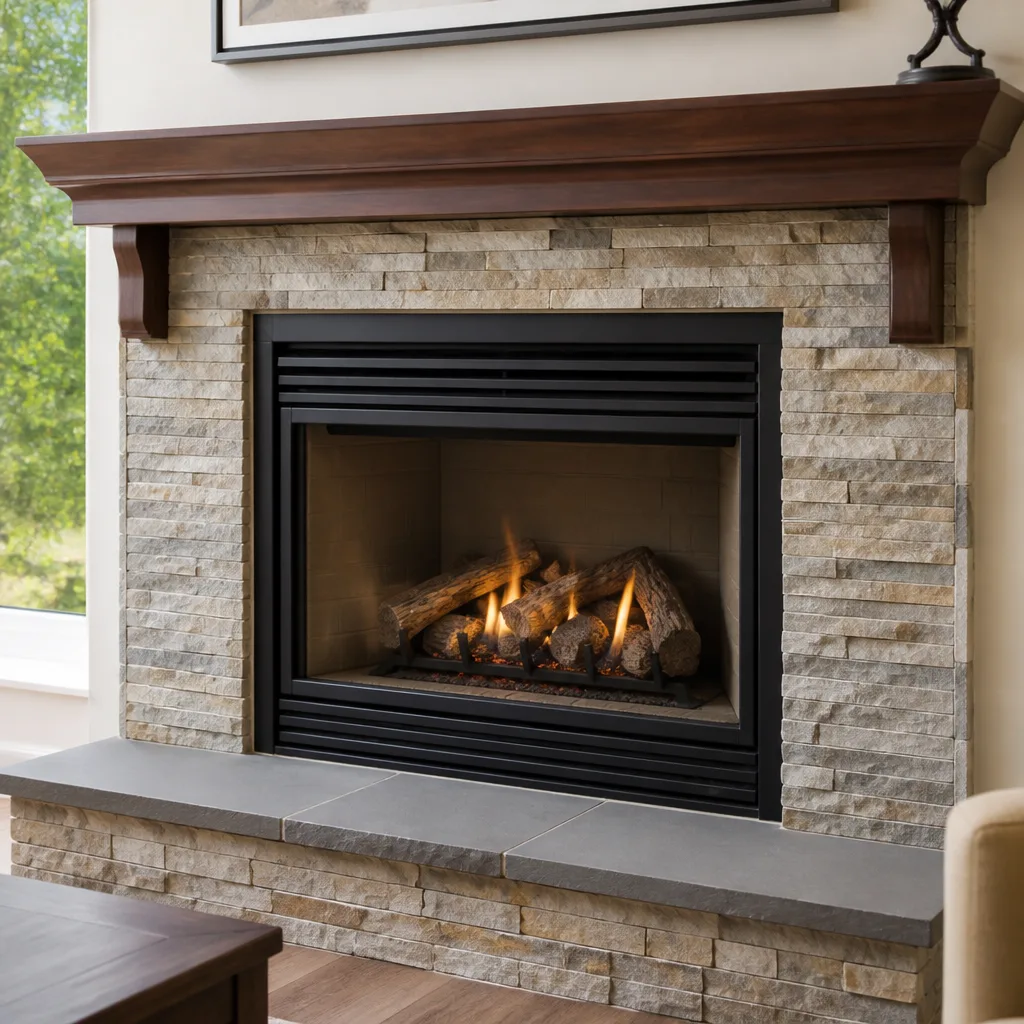 Gas fireplace service
Level 1 sweep and inspection to the NFPA 211 annual standard - flue, crown, cap, and flashing checked and photographed
Chimney sweep logs do not sweep chimneys. They loosen some creosote - which then falls where a brush and vacuum still have to collect it.
Styles & brands we work with
See the difference
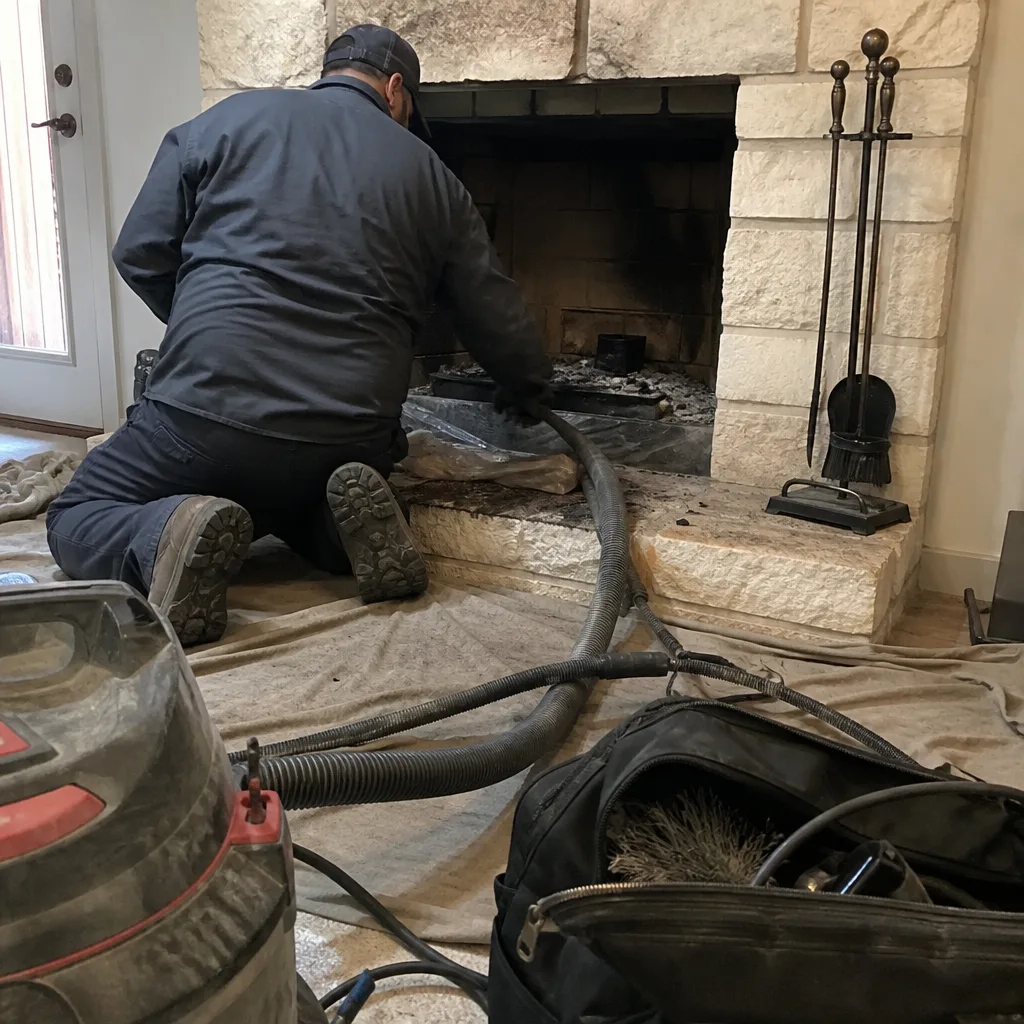 Before
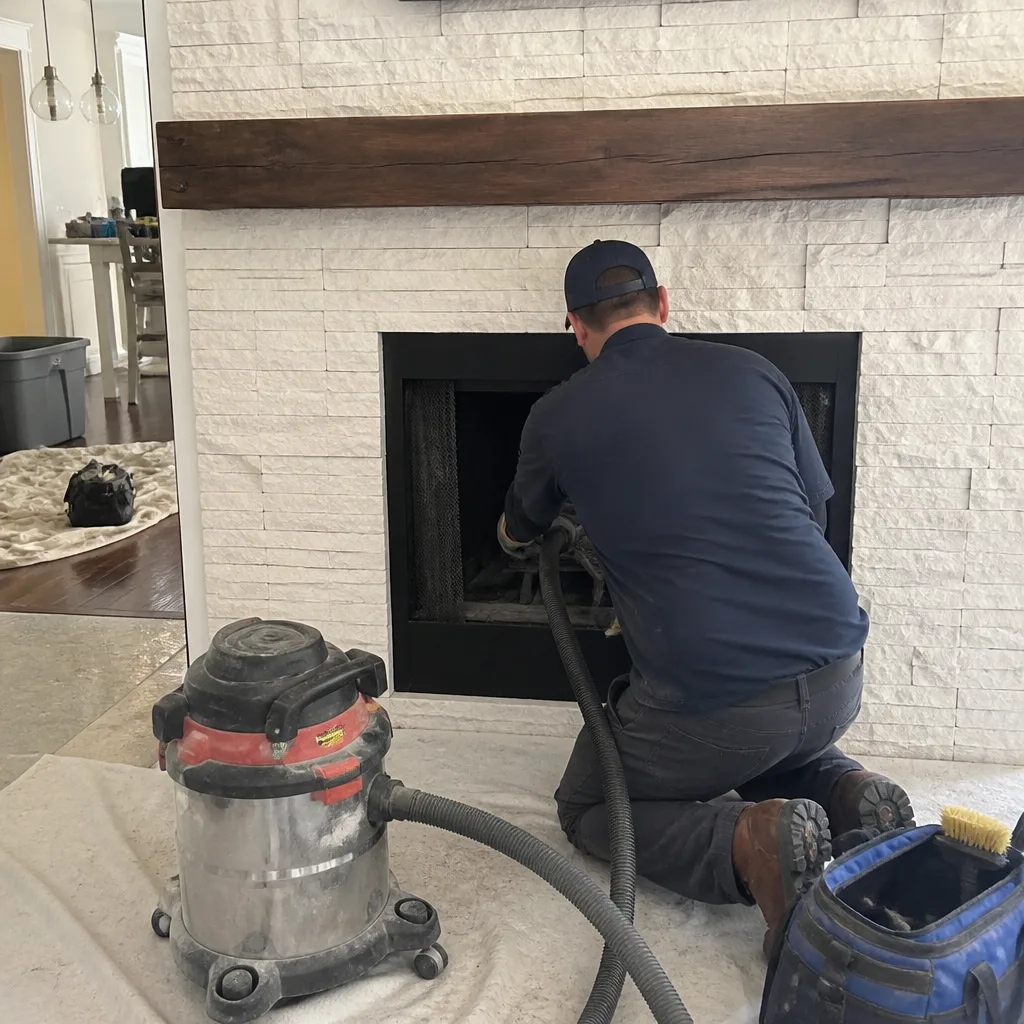 After
After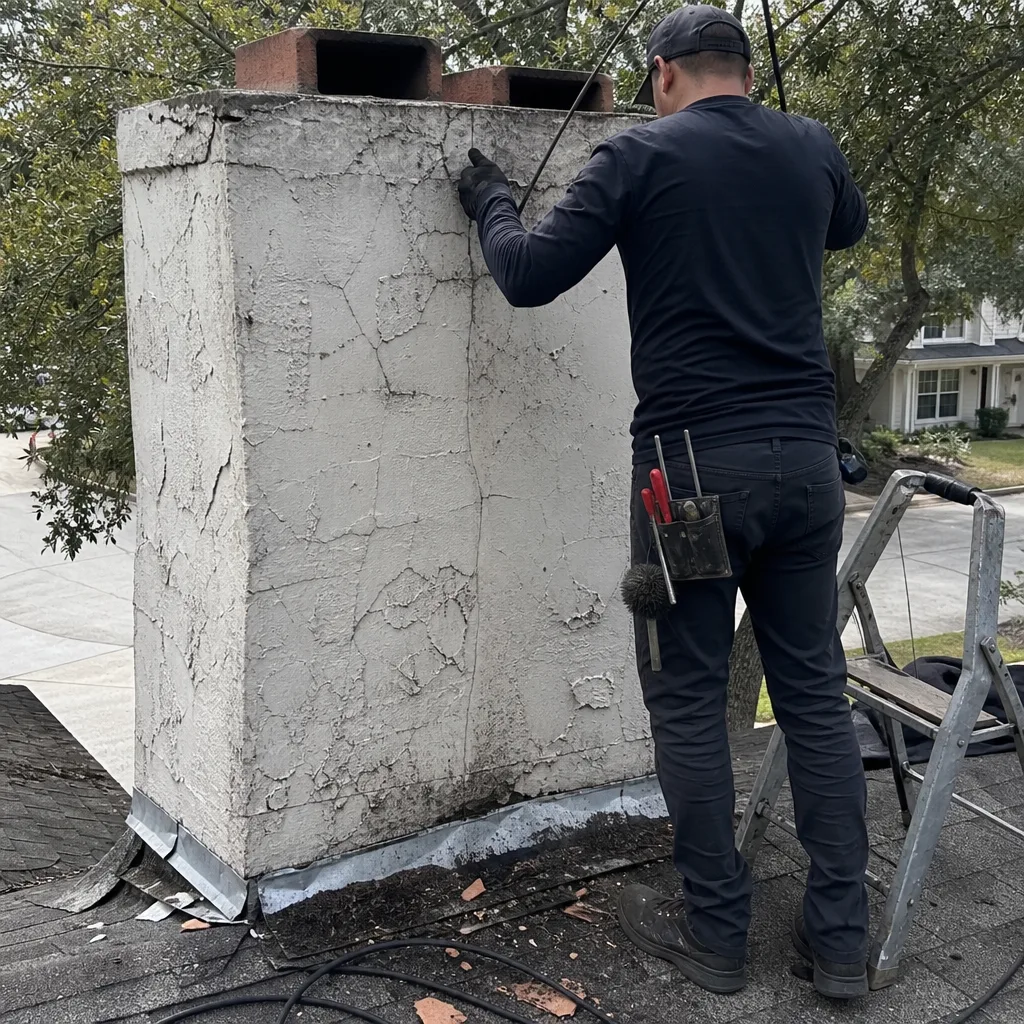 Before
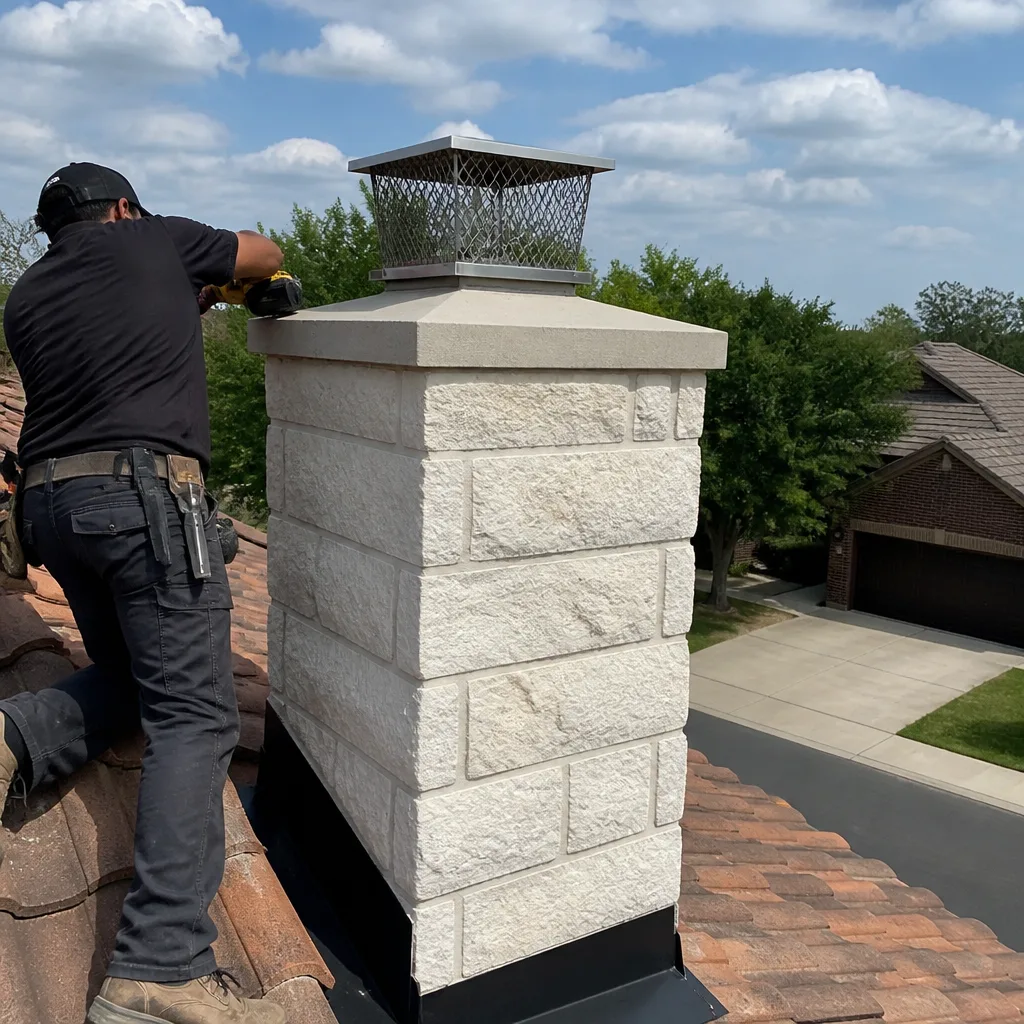 After
After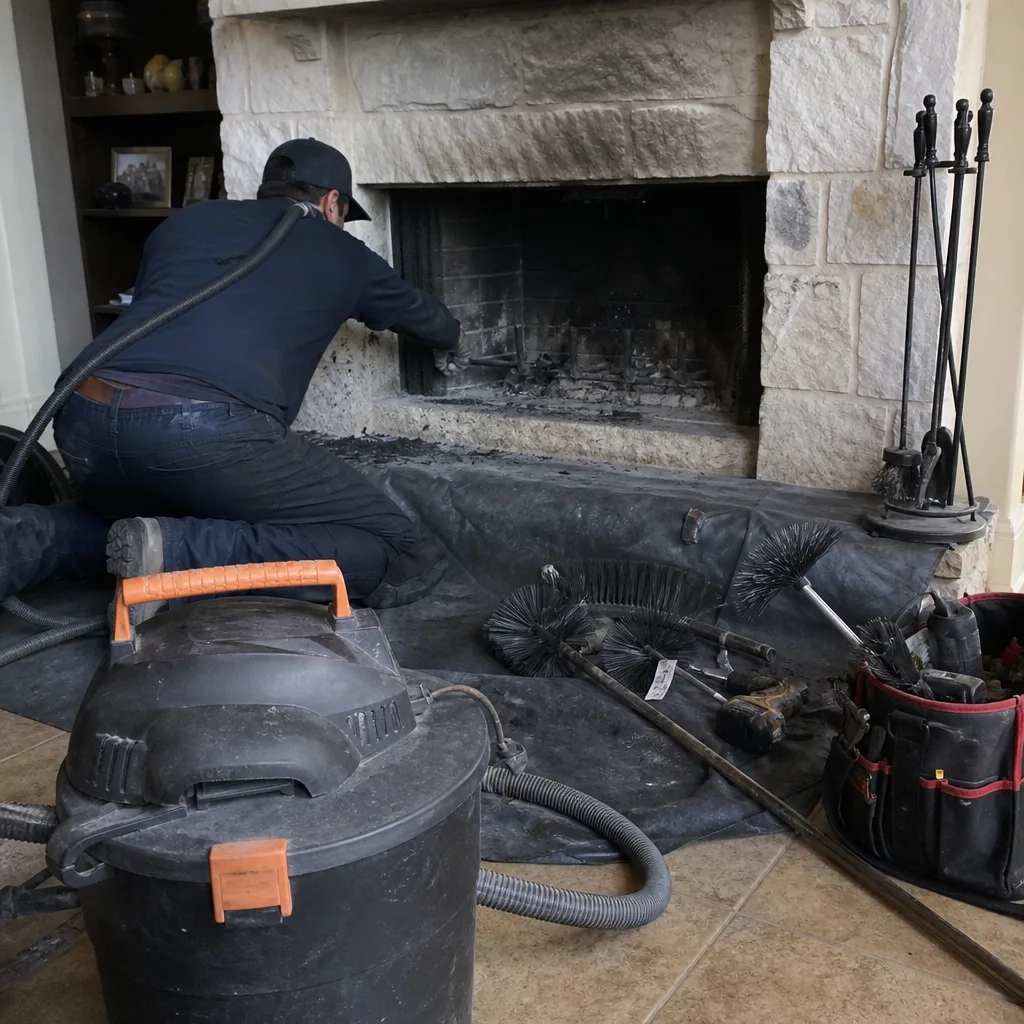 Before
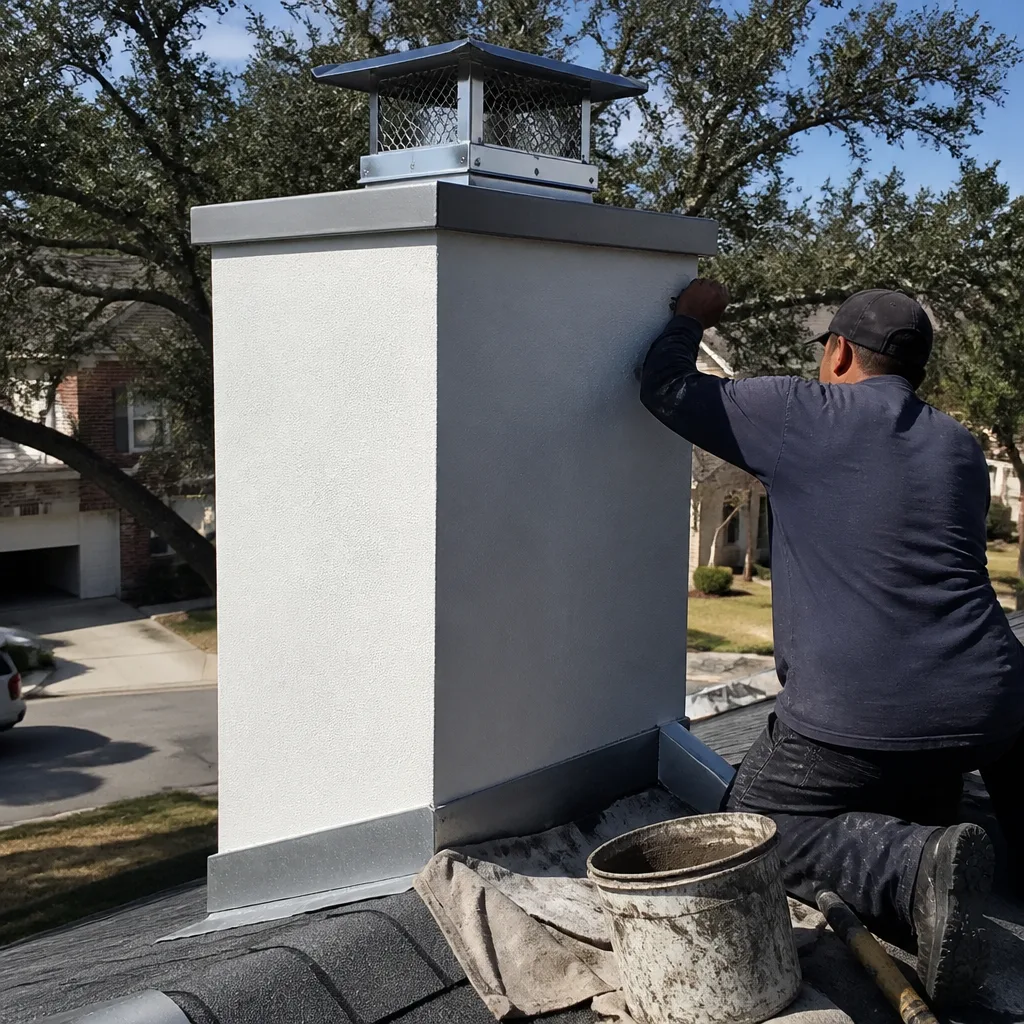 After
AfterCreosote Removal in San Antonio, TX
Creosote removal in San Antonio typically costs between $200 and $450 when paired with a standard chimney sweep, though heavy Stage 3 glaze buildup can push the job higher. Most homeowners in the San Antonio area need this service once a year, especially after a winter of regular fireplace use. Alcott Chimney San Antonio has been handling creosote removal since 2002, and every job comes with a written price before work starts plus a 365-day guarantee on any repair we recommend.
Creosote is the tar-like residue that builds up inside your flue every time you burn wood. It forms in three stages: Stage 1 is a flaky soot you can brush away, Stage 2 is a crunchy, tar-like deposit, and Stage 3 is a hard, shiny glaze that’s concentrated fuel. That third stage is what worries us most here in San Antonio, because our mild winters encourage shorter, cooler fires that produce creosote faster than a hot, roaring burn. If you’re seeing black flakes in the firebox or noticing a sharp, smoky smell even when the damper is open, give us a call at (903) 515-5079. Our Chimney Cleaning & Sweep in San Antonio service is the first step, and creosote removal is often the most important part of that visit.
When You Need Creosote Removal
Not every chimney needs aggressive creosote removal on every visit, but certain signs tell us it’s time. Here’s what we hear most often from homeowners in Alamo Heights, Stone Oak, and Terrell Hills:
- You see shiny, black, tar-like buildup on the flue walls. This is Stage 3 creosote, and it’s the most fire-prone form. It does not brush off with standard sweeping; it needs chemical treatment or mechanical removal.
- Your fires feel smoky even with the damper fully open. A narrowed flue from creosote buildup restricts draft, which pushes smoke back into the living room instead of up and out.
- You hear a crackling sound in the chimney during or after a fire. That can be creosote igniting in small amounts. It may sound harmless, but it’s a warning that a full chimney fire is possible.
- You’ve burned a lot of unseasoned or green wood. San Antonio’s humidity means firewood left uncovered absorbs moisture, and wet wood produces far more creosote than properly seasoned oak or mesquite.
- It’s been more than a year since your last sweep. The National Fire Protection Association recommends an annual inspection, and in our experience, San Antonio chimneys that go 18 months or longer between cleanings almost always have Stage 2 or Stage 3 creosote.
- You bought a home with an existing fireplace and no cleaning history. We see this constantly in older neighborhoods like Monte Vista and King William, where a charming 1940s fireplace may not have been properly maintained in decades.
If any of these sound familiar, the fix is straightforward. We’ll assess the creosote stage during a standard sweep and tell you honestly what needs to happen next. No scare tactics, no upsells. Just a plain explanation and a written price before any work begins.
Our Creosote Removal Process
Here’s exactly how we handle creosote removal at Alcott Chimney San Antonio. You’ll know the technician’s name and see their photo before we arrive, and that person will show a photo ID badge at the door. Every time, no exceptions.
- Visual inspection of the flue. Before we touch anything, we run a camera scope or use a high-powered light to identify the creosote stage and check for cracks, blockages, or animal nests. You’ll see what we see.
- Stage 1 and Stage 2 removal with rotary brushes. For flaky or crunchy creosote, we use professional-grade rotary cleaning systems that scrub the flue walls without damaging the liner. This is the same equipment used on commercial chimneys, not a hardware-store brush on a drill.
- Stage 3 glaze treatment. Hardened creosote glaze won’t budge with brushing alone. We apply a chemical treatment, often a product like Gelco, that breaks down the glaze over several days, then return to remove the softened residue. In some cases, we use mechanical scrapers with specialized chains designed for the flue size.
- Liner inspection after cleaning. Once the creosote is gone, we check the flue liner for damage the buildup may have been hiding. If we find cracks or gaps, we’ll show you photos and recommend a repair option, often using DuraFlex or HeatShield materials, both of which we stock and install.
- Written report and clear next steps. You get a plain-English summary of what we found, what we did, and whether anything needs follow-up. If a repair is needed, the written price comes before any work starts, and the repair carries a written guarantee. If it fails within the coverage period, the second visit is free.
Creosote Removal Pricing in San Antonio
Here’s what you should expect to pay for creosote removal in the San Antonio market. These are real ranges based on the jobs we do across Bexar County, from Leon Valley to Windcrest:
- Standard sweep with Stage 1 creosote removal: $180 to $250 for a single-flue chimney.
- Stage 2 creosote removal (extra brushing time and effort): $250 to $350, depending on flue height and accessibility.
- Stage 3 glaze removal with chemical treatment: $350 to $600, including the follow-up visit to remove the softened creosote.
- Liner inspection after cleaning: Included with every sweep at no extra charge.
- Repairs discovered during removal: Quoted separately, in writing, before any work begins.
What affects the price? Flue height matters, especially on two-story San Antonio homes with steep roof pitches. Roof accessibility plays a role too. If we need to bring in extra equipment for a steep or tile roof, we’ll tell you upfront and it’s included in the written quote. You’ll never see a surprise charge at the end of the job. Estimates are free, and the price we quote is the price you pay.
FAQs – Creosote Removal
How much does creosote removal cost in San Antonio?
Creosote removal in San Antonio typically runs $200 to $600, depending on the creosote stage and the height of your flue. Stage 1 removal is the least expensive at $180 to $250 as part of a standard sweep. Stage 3 glaze removal costs more because it requires chemical treatment and a follow-up visit. Call (903) 515-5079 for an exact quote; estimates are free and the written price you receive is the price you’ll pay.
Is creosote removal the same as a chimney sweep?
No. A chimney sweep removes the loose soot and minor buildup from your flue, but creosote removal targets the hardened tar-like deposits that a standard brush can miss or cannot budge. Every chimney sweep at Alcott includes an assessment of creosote buildup, but if you have Stage 2 or Stage 3 creosote, we’ll recommend a separate removal process and give you a written price before proceeding.
Can you remove creosote the same day?
Stage 1 and Stage 2 creosote can usually be removed same-day during a standard sweep appointment. Stage 3 glaze often requires chemical treatment that works over several days, followed by a return visit to remove the softened material. If you need creosote removal today, call (903) 515-5079 and a live person will answer, 24/7. We’ll tell you honestly whether same-day service is realistic for your situation.
Is creosote removal covered by insurance?
Most homeowner’s insurance policies do not cover creosote removal, because it’s classified as routine maintenance rather than sudden damage. However, if a chimney fire has already occurred and your claim is approved, the cleanup and repair work may be covered. We recommend checking your policy. Either way, our written price before the job starts means you’ll know the cost before you commit.
How often should I have creosote removed in San Antonio?
For most San Antonio homeowners who burn wood regularly from November through February, an annual creosote removal is the right cadence. If you burn green or unseasoned wood, or if your fireplace struggles with draft, you may need it every six months. After your first visit with Alcott, we’ll give you a straight recommendation based on what we actually find in your flue, not a generic schedule.
If you’ve got creosote buildup in your chimney, don’t wait for the smell to get worse or the crackling to get louder. Call Alcott Chimney San Antonio at (903) 515-5079 for a free estimate. You’ll get a live person on the phone, a written price before any work starts, and a technician whose name and photo you’ll see before we ever ring the doorbell.
Written by Ruben Castellano, Owner at Alcott Chimney San Antonio, serving San Antonio.