
Last updated October 15, 2026
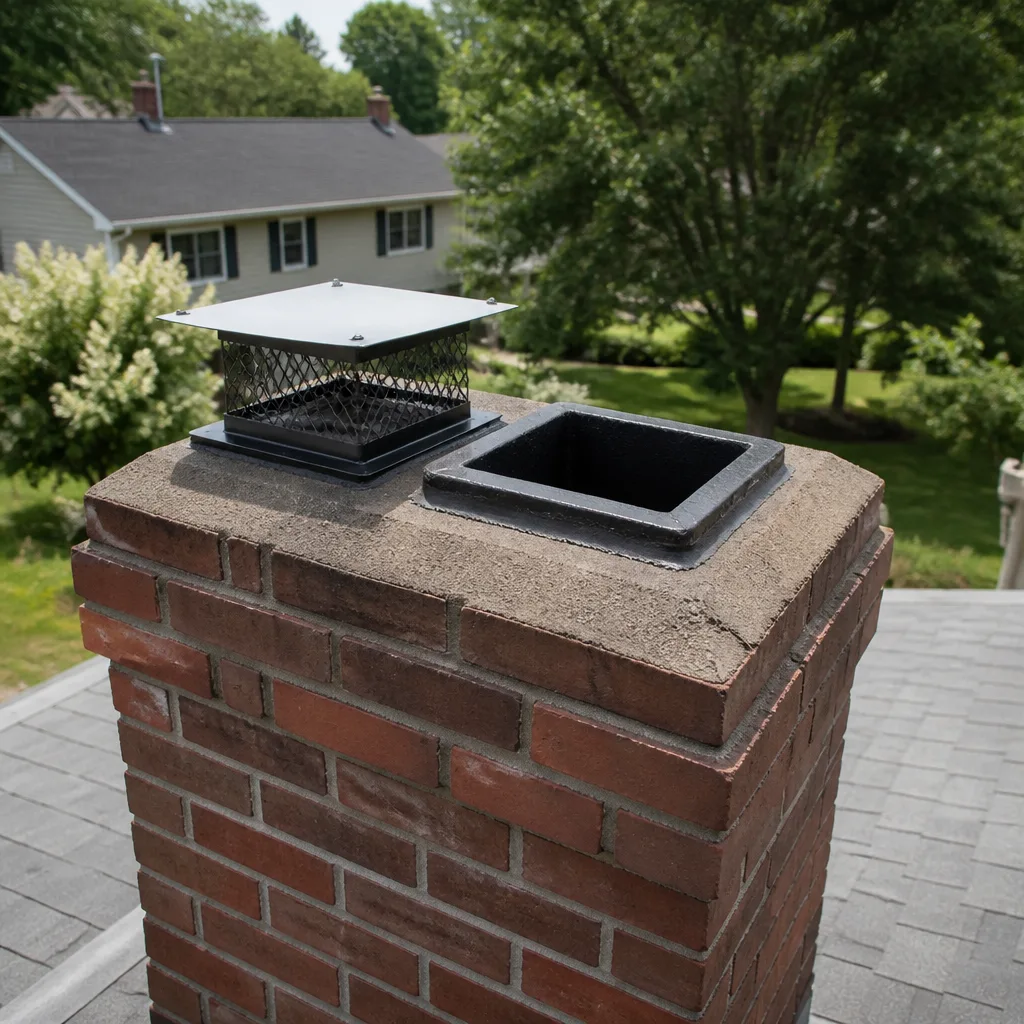 Sweep & inspection
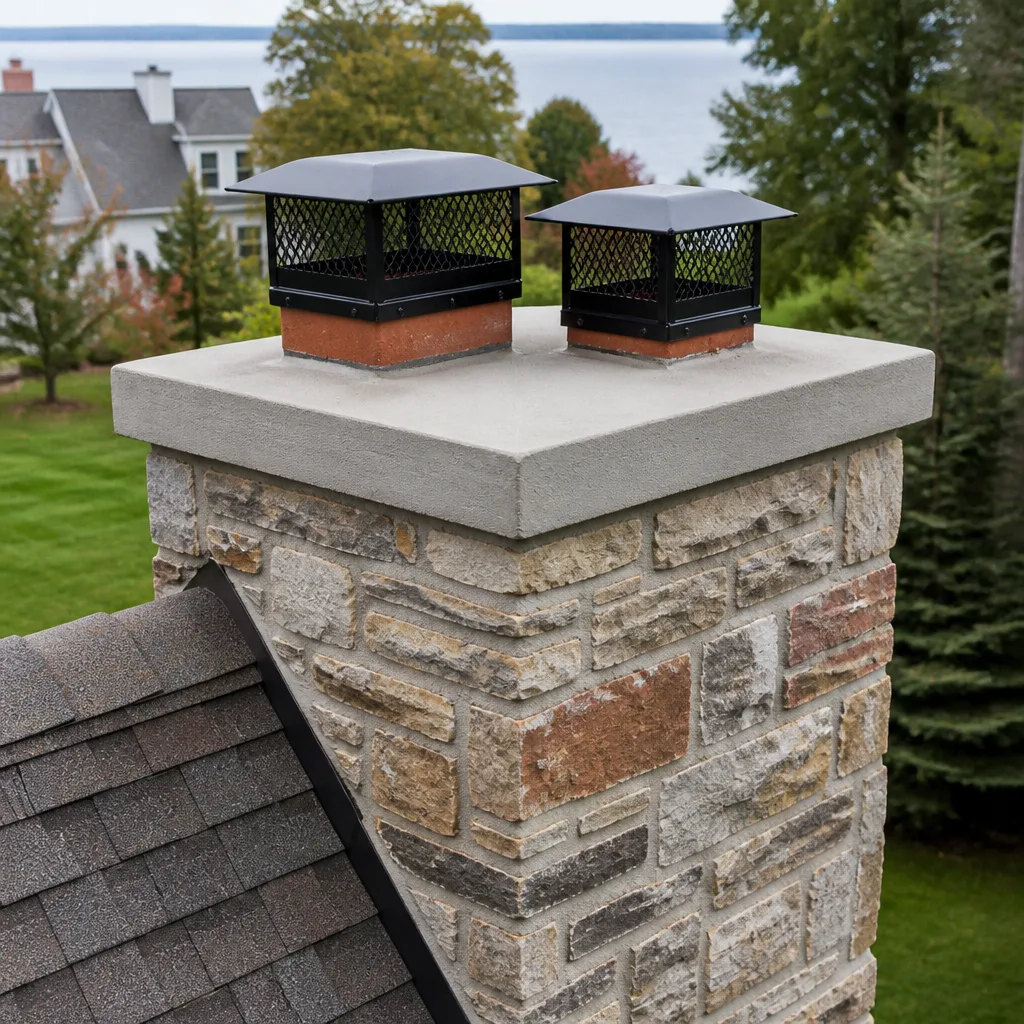 Caps & crowns
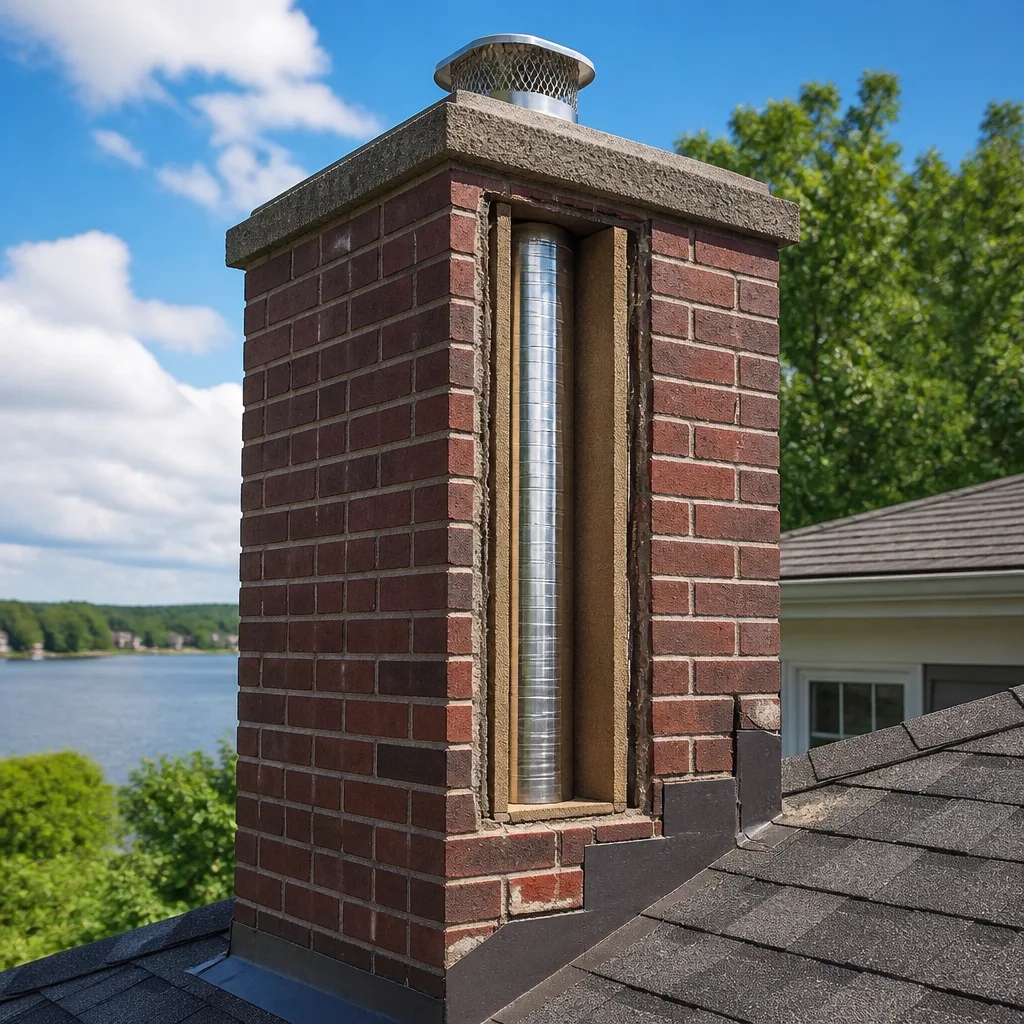 Flue relining
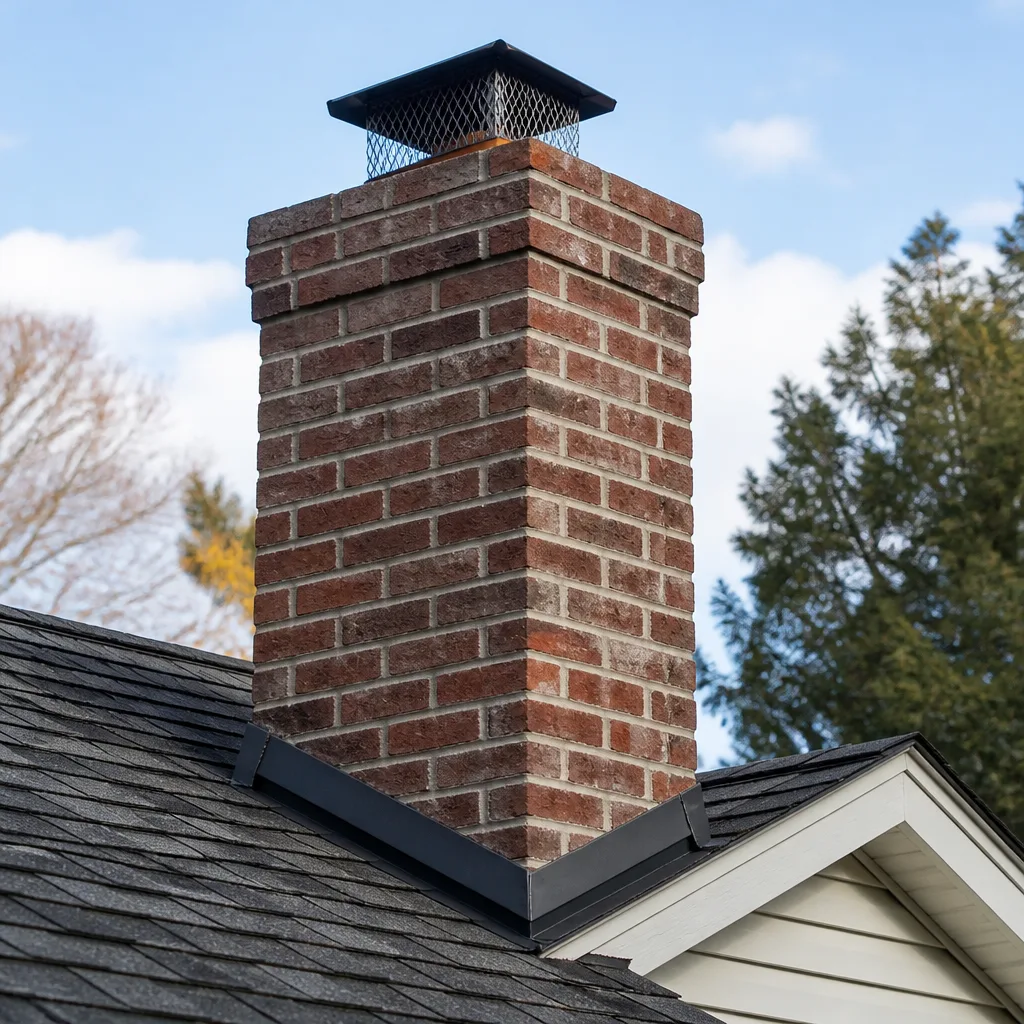 Masonry repair
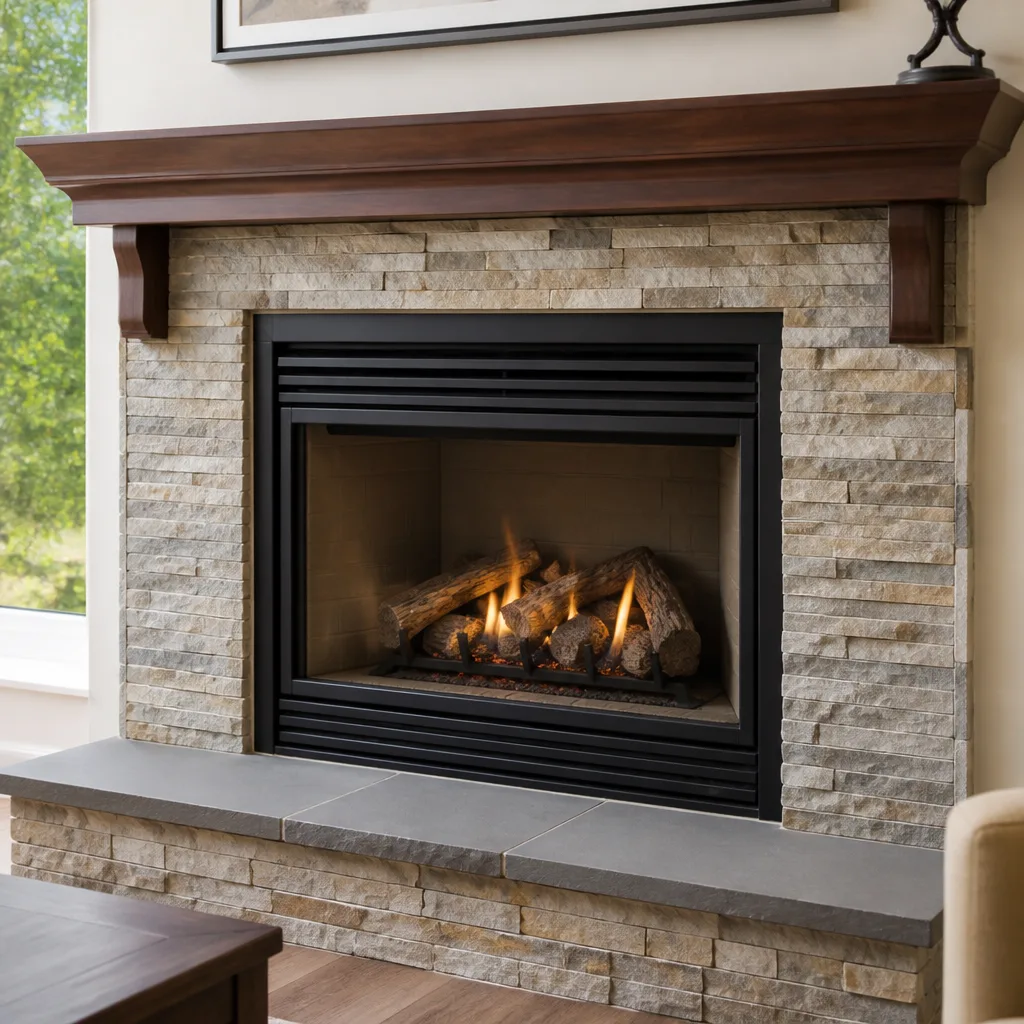 Gas fireplace service
Level 1 sweep and inspection to the NFPA 211 annual standard - flue, crown, cap, and flashing checked and photographed
Chimney sweep logs do not sweep chimneys. They loosen some creosote - which then falls where a brush and vacuum still have to collect it.
Seasonal Chimney Cleaning Care for San Antonio: Year-Round Homeowner’s Guide
Most national chimney care guides are written for places where winter means snow. San Antonio is not that place. Our burn season starts when the first cold front drops temperatures into the 50s in October, and it ends in March or April when the AC kicks back on for good. The mistake we see again and again is homeowners in Alamo Heights and Stone Oak treating chimney maintenance as a December task. By December, you have already lit three or four fires into a flue you have not seen since spring. The safe window to clean and inspect is September through November, before the first fire, not after it. This guide walks through the full San Antonio calendar, what each season actually does to a chimney here, and what it costs to stay ahead of it. For more guides & resources, visit our blog.
Quick Answer
Seasonal chimney care in San Antonio means booking a chimney sweep in San Antonio between September and early November, before the first fire of the year, then doing a light mid-season check in January and a post-season inspection in April or May. A standard sweep typically runs $189 to $329 in the San Antonio market before any repairs. Gas fireplace owners need the same annual attention, just for different reasons: dust, spider webs, and insect nests inside the flue and burner can create carbon monoxide hazards that have nothing to do with wood smoke.
Styles & brands we work with
Table of Contents
- The San Antonio Chimney Care Calendar
- August – September: The Pre-Season Inspection Window
- October – November: The Sweep and Repair Season
- December – January: Mid-Season Monitoring
- April – May: Post-Season Close-Out
- How San Antonio Summer Heat Damages Chimneys
- Why Gas Fireplace Owners Still Need Annual Cleaning
- The Post-Hail Checklist Every San Antonio Homeowner Needs
- Cost Timing: Why September Beats the October Rush
- Common Mistakes to Avoid
- When to Call a Professional
- Frequently Asked Questions
The San Antonio Chimney Care Calendar
San Antonio runs on a burn season that national guides do not acknowledge. Our heating season is compressed: roughly mid-October through late March. That means the maintenance calendar compresses too. Here is the rhythm that actually makes sense for Bexar County homes, based on what we see in field work across neighborhoods like Terrell Hills, Castle Hills, and Helotes.
The Four Seasons of San Antonio Chimney Care
- August – September (Pre-Season Inspection): Book a chimney inspection while temperatures are still in the 90s. This is when you find cracked crowns, damaged flashing, spent gaskets, and creosote left over from last season. It is also when scheduling is wide open.
- October – November (Sweep and Repair Season): This is the core service window. Sweep the flue, complete repairs, and have the first cold-weather fire with confidence. This is the busiest period, so booking ahead matters.
- December – January (Mid-Season Monitoring): You are actively burning. Listen for changes, check for water streaks after rain, and watch for slow starts or odd smells on gas units. Most problems that surface now were preventable in October.
- April – May (Post-Season Close-Out): Burn season ends. Schedule your post-season inspection now, or at minimum do a visual check of the crown, flashing, and firebox. Address cracking before the summer sun makes it worse.
That rhythm is driven by two local realities. First, San Antonio gets most of its chimney repair demand right after the first October cold snap, because that is when people light fires and discover problems. Second, our summers bake chimney crowns and flashing for six straight months, so the post-season close-out catches heat damage while it is still small. Skip August, and you are paying October prices with a four-week wait. Skip April, and you are looking at a cracked crown through July and August, hoping the next thunderstorm does not push water into your firebox.
August – September: The Pre-Season Inspection Window
August in San Antonio is hot enough that nobody is thinking about fireplaces. That is exactly why it is the right time to book. A chimney inspection in San Antonio scheduled in late August or early September gives you a clean picture of the chimney’s post-summer condition before anyone else in the city starts scheduling. You will get your pick of days, not whatever appointment is left in late October.
Here is what a pre-season inspection should cover, and what we actually look at when we inspect a San Antonio chimney in early September:
- Chimney crown condition: The concrete crown on top of the chimney takes direct sun all summer. Thermal expansion and contraction over six months of 95-degree-plus days causes hairline cracks. Water gets in, and the next rain expands it. Most crown repairs we do in October were visible as small cracks in August.
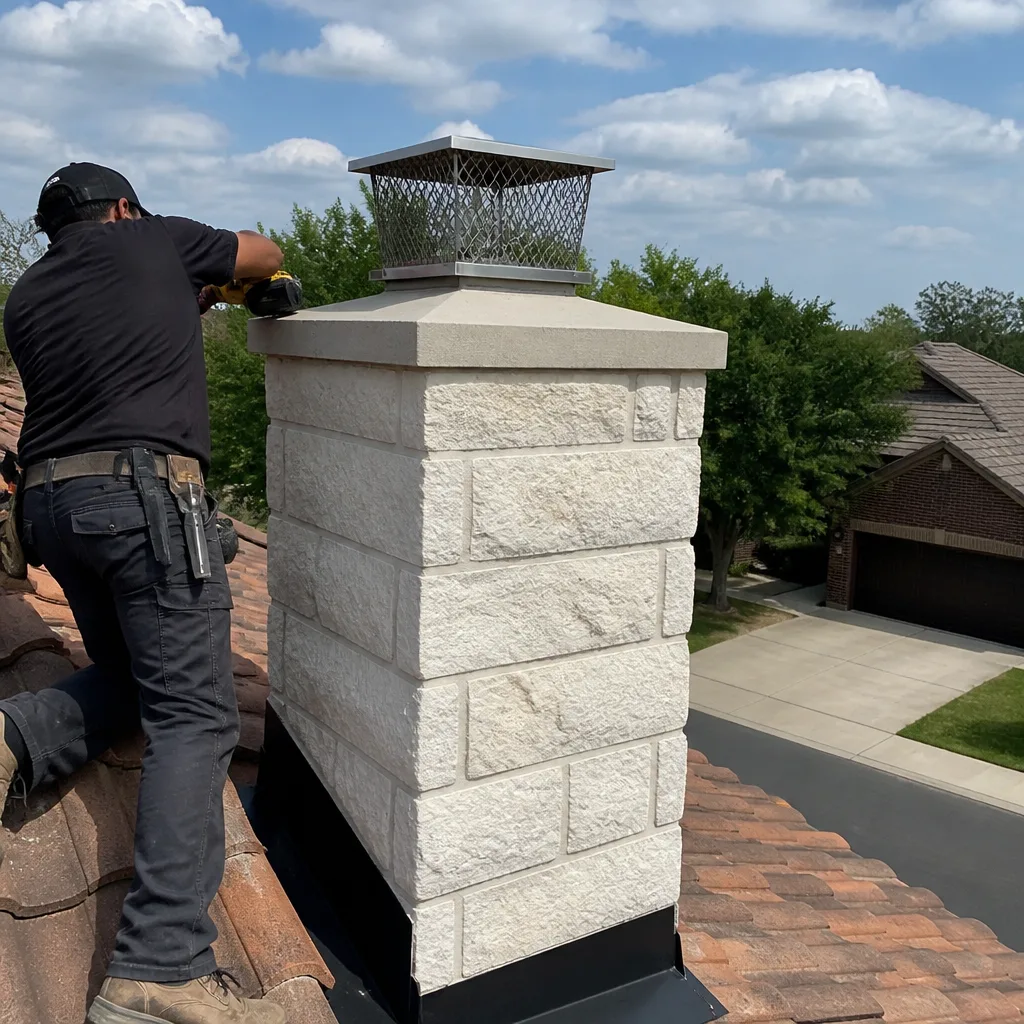
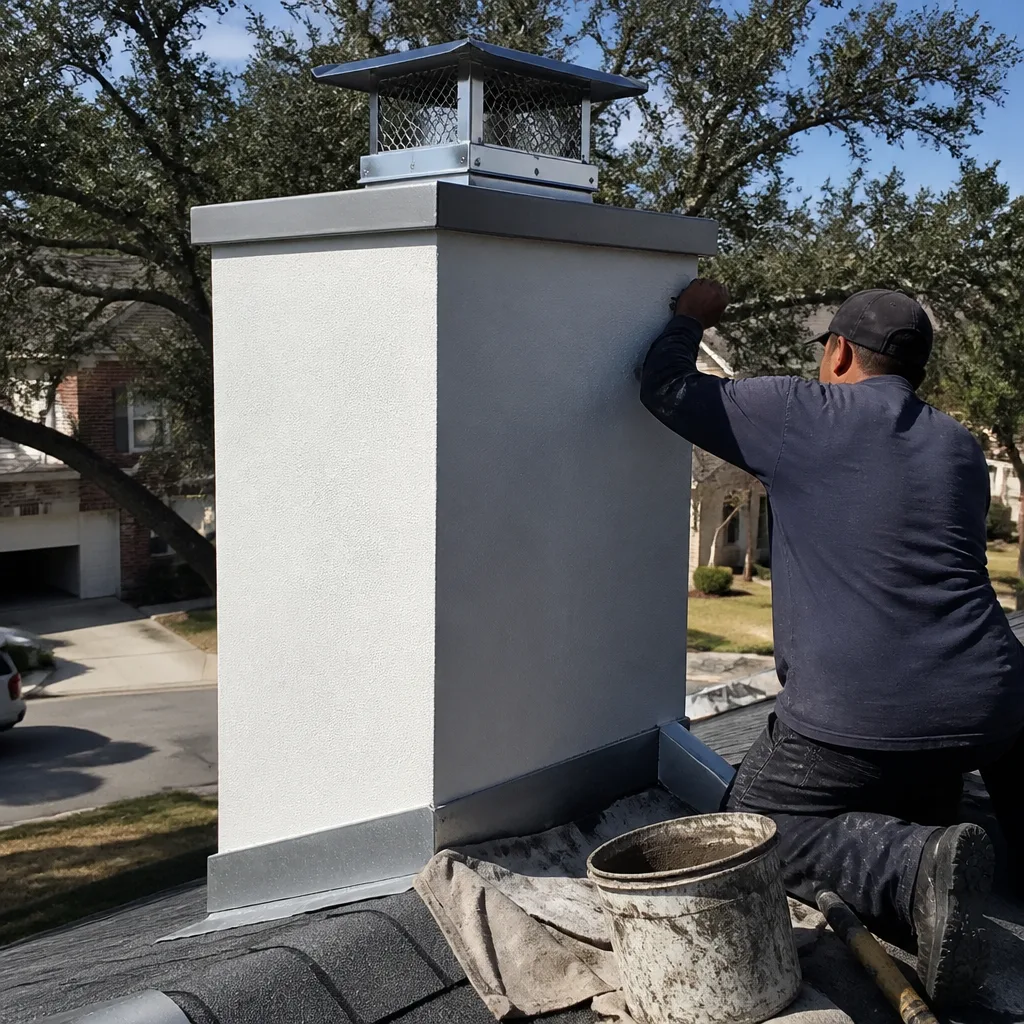
- Flashing at the roofline: Metal flashing where the chimney meets the roof is one of the first things our Texas sun degrades. Lifted or rusted flashing lets water run down into the ceiling and chase during fall rains.
- Creosote levels from last season: The creosote, the tar-like buildup that causes chimney fires, that accumulated last February is still in there. Levels do not reset over summer. If you skipped a spring sweep, you are starting the season with whatever is left from last year.
- Spent gaskets and seals on gas units: Gas fireplace gaskets dry out and shrink in San Antonio heat. A failing gasket changes the combustion air mix and can introduce carbon monoxide into living space.
- Nests and animal intrusion: Birds and squirrels look for cool, dark spaces in hot months. A missing or damaged chimney cap in August means a nest by September.
The inspection itself typically takes 45 to 90 minutes. You get a written report with photo evidence of anything we recommend. That last part matters: you should never approve a liner or masonry repair without seeing the camera image or photo that justifies it. If a company cannot show you why the work is needed, you should not pay for it.
October – November: The Sweep and Repair Season
October is the most important month on the San Antonio chimney calendar. The first real cold front usually hits in mid-to-late October, and that is when thousands of Bexar County homeowners light their first fire of the year. If your chimney has not been swept and inspected by then, that first fire is going into an unknown flue. That is the risk, not the sweep itself.
A standard chimney sweep in San Antonio includes the mechanical brushing of the flue interior, removal of creosote and soot from the firebox and smoke chamber, and a visual check of the liner and damper. The work takes about an hour on a typical wood-burning fireplace. After the sweep, we can tell you whether the flue is in safe operating condition or needs repairs.
October is also when we use professional-grade trade materials on repair work that cannot wait. When a terrace-level home in the King William district needed a new liner after the October rush last year, the homeowner got a DuraFlex liner system, not a box-store substitute. When we resurface a damaged flue rather than replacing it, we use HeatShield. These are products chimney professionals specify because they are tested for flue conditions, not improvised fixes.
What to Complete Before the First Fire
- Sweep the flue: Remove all accumulated creosote and soot from the previous season, plus any debris from summer.
- Confirm the damper works: A seized damper means a cold draft and potential smoke backup from day one.
- Check the cap and screen: The cap keeps water and animals out. The screen keeps sparks in. Both are cheap fixes compared to the damage they prevent.
- Reseal any gaps or hairline cracks: A tube of high-temperature sealant applied in October prevents a $400 masonry patch in February.
- For gas fireplaces: Have the burner, igniter, and venting checked and cleaned. Glass doors should be lifted and cleaned inside at least yearly.
The October – November window is also when you want to lock in pricing. See our Chimney Cleaning Cost Breakdown: The San Antonio Homeowner’s Reference for 2026 for detailed pricing guidance.
December – January: Mid-Season Monitoring
Once the burn season is underway, your job shifts from maintenance to monitoring. You are not doing major repairs in December or January unless something is actively wrong. What you are doing is paying attention to chimney cleaning warning signs that indicate a problem developed while you were burning.
Here is what mid-season monitoring actually looks like in San Antonio:
- Watch for water streaks on the ceiling near the chimney after winter rains. San Antonio can get heavy thunderstorms in December and January. If you see a new stain or bubbling paint near the chimney chase, water is getting past the flashing or crown. Do not wait until spring to address it.
- Listen for changes in the burn. A wood fire that suddenly burns louder, hotter, or with a roaring sound you did not have in November can indicate excess creosote igniting or an air leak in the flue. Stop using the fireplace and get an inspection.
- Notice slow starts on gas fireplaces. A gas log set that takes multiple attempts to light, produces lazy orange flames instead of crisp blue at the burner, or leaves soot marks above the glass is telling you the air-to-gas mix is off. That is a carbon monoxide concern, not a cosmetic issue.
- Check for unusual smells. A campfire smell when the fireplace is not in use usually means the damper is not sealing or there is negative pressure pulling chimney odors into the home. A sulfur or gas smell means you need service immediately.
Mid-season discoveries are frustrating because the problem was almost always preventable in October. The most common one we see in late December is a homeowner who lit the first fire in November, burned it for six weeks, and then noticed water in the firebox after a New Year rain. The flashing failed sometime during summer, water had been getting in for months, and the only reason it became visible in January is that regular burning dried the firebox enough to show the stain.
April – May: Post-Season Close-Out
Most San Antonio homeowners think of April as the end of chimney season, and mostly they are right. Fires stop by early April in most of Bexar County. But the post-season close-out is where you save money next fall. It catches the damage our climate does to chimneys during the six-month stretch from May through October.
Here is the post-season checklist:
- Book a post-season sweep or at least a visual inspection. You do not need a full-level inspection every year, but you should have the creosote removed before summer humidity sets it and makes it harder to remove. Removing creosote in April costs less and is easier than removing it in October.
- Check the crown for fresh cracks. The crown has just survived its first summer of thermal expansion and contraction. Hairline cracks you can see in April with binoculars from the ground will be wide enough to admit water by August.
- Verify the cap is still attached. Spring thunderstorms bring wind. A loose cap clangs in the wind and eventually comes off, leaving a wide-open flue for birds and summer rain.
- Run the gas fireplace once more. A quick 10-minute burn in April confirms the system is still lighting and venting properly before you forget about it for five months. If it does not light in April, you have months to schedule a repair before you need it.
- Close the damper fully. Leaving it cracked open all summer pulls conditioned air out of the home and invites humid outside air into the flue. That humidity accelerates any masonry or liner deterioration already underway.
April is also a smart time to handle any repair that came due during burn season but was not urgent. The masonry that needed repointing, the liner that was nearing end of life, the damper that was getting stiff. Scheduling those in April or May means no competition for appointments and pricing that reflects a slower season.
How San Antonio Summer Heat Damages Chimneys
This is the part of chimney care that most San Antonio homeowners do not hear from national guides. Our summers are not just hot. They are long, dry, and relentlessly sunny. A chimney crown on a south-facing roof in Stone Oak can reach 150 degrees or more on an August afternoon. At night, it drops into the 70s. That is an 80-degree swing every 24 hours, repeated for 150 days straight. Concrete expands when it heats and contracts when it cools. No concrete crown survives that cycle forever.
The failure mode is predictable. Small hairline cracks form first, usually within five to ten years of the crown being poured. Those cracks widen. Thunderstorm rain gets in. The water freezes on the rare nights we drop below 32 degrees, and ice expands, widening the crack further. Within a few seasons, the crown is spalling, which means chunks of concrete are breaking away, and water is now running down the inside of the flue, degrading the liner and soaking the masonry. The repair goes from a $200 crown seal to a $1,500 crown replacement to a $3,000-plus flue and masonry restoration.
The same principle applies to flashing. Flashing is a strip of metal, typically aluminum or galvanized steel, installed where the chimney meets the roof. Sun degrades the sealant around the flashing and eventually the metal itself. We see flashing failures on homes all over San Antonio, from older Alamo Heights bungalows to 15-year-old track homes in the Far West Side. The only real prevention is an annual visual inspection of the crown and flashing from the roof level, which is part of every chimney inspection we do.
One more heat-related failure we see often: gas fireplace thermocouples and thermopiles degrade faster in San Antonio than in cooler climates. The thermocouple and thermopile are small sensors that tell the gas valve the pilot light is burning. They live in a metal housing that cycles through wild temperature swings during our summers, especially in direct-sun fireplaces or outdoor units. When they fail, the fireplace will not stay lit. It is a common, quick repair we handle as part of our gas fireplace repair in San Antonio work, but it is also a reminder that sitting dormant through a Texas summer is not the same as not wearing.
Why Gas Fireplace Owners Still Need Annual Cleaning
There is a persistent belief in San Antonio that gas fireplaces do not need cleaning. The thinking goes: no wood, no smoke, no creosote, no problem. That belief is wrong, and it creates real safety issues. Alcott Chimney San Antonio home technicians regularly find gas fireplaces in North Central and Alamo Heights homes that have not been touched since installation five or ten years ago. Here is what actually accumulates in a gas fireplace flue and firebox that is never cleaned or inspected:
- Dust and pet hair: Gas fireplaces pull air through the room to support combustion. Dust, lint, and pet dander get pulled into the burner and log set. A layer of dust on a gas burner changes the flame pattern and can reduce combustion efficiency.
- Spider webs and insect nests: Spiders love gas burner tubes. A web inside the burner orifice or air shutter can block gas flow enough to cause incomplete combustion, which means carbon monoxide production. This is the most common source of “gas smell” calls we get every fall.
- Corrosion on burners and valves: San Antonio humidity, especially after heavy rain periods, accelerates rust on steel burner components. A corroded burner produces uneven flames and sooting.
- Glass buildup: The glass doors on vented and vent-free gas fireplaces build up an interior film from combustion byproducts. Over time, the film etches the glass. Annual cleaning of the glass and firebox extends the life of the unit and keeps it looking like it should.
- Venting obstructions: Soot, debris, and occasionally bird nests accumulate in the vent even when there is no wood smoke. Direct-vent fireplaces especially need the termination cap checked yearly.
The carbon monoxide point is worth emphasizing because it is the safety issue that matters most. An obstructed burner or blocked vent on a gas fireplace can send CO into the living space instead of up the flue. CO is odorless and invisible. We recommend all San Antonio homes with any gas-burning appliance have a working CO detector within 15 feet of the unit, and we recommend the fireplace itself be inspected and cleaned annually. It is not a wood-burning-only rule. If it burns gas, it needs service.
The Post-Hail Checklist Every San Antonio Homeowner Needs
San Antonio sits in a hail corridor. Between March and May, and again in the fall, severe thunderstorms can drop hail large enough to dent cars and shred roofs. When hail hits your roof, it hits your chimney too. The chimney cap, crown, and flashing are all exposed metal and concrete surfaces that take the same impact as your shingles and gutters.
After any hail event where your roof shows damage, here is the chimney-specific checklist you should run before using the fireplace again:
- Inspect the chimney cap from the ground: Look for dents, tilting, or missing cap sections. The cap is the flue’s first line of defense against rain and animals. A hail-dinged cap can still function, but a cracked or detached cap needs replacement before the next rain.
- Check the crown for impact chips: Large hail can break small pieces out of a concrete crown. Even a thumbnail-sized chip lets water in and accelerates the spalling cycle described above.
- Walk the roof line and check flashing: Hail can separate flashing from the chimney or the roofing material. If you already have a roofer out for a post-storm claim, ask them to photograph the chimney flashing. If not, have a chimney inspection include the flashing as part of the evaluation.
- Open and close the damper: Hail impact does not typically damage a damper directly, but the storm’s wind and pressure can jostle an already-loose unit. Confirm it still operates smoothly.
- For gas fireplaces, run a test burn: After any severe weather, including hail, confirm the unit lights and vents properly. If it does not, call before the cold front that follows the storm.
Hail damage is also one of the few cases where you may have a legitimate insurance claim for chimney repair alongside a roof claim. Document the damage with photos, note the date of the storm, and have the inspection report reference the storm date. Most insurance policies cover sudden storm damage, not gradual wear. The clearer your documentation, the smoother the claim.
Cost Timing: Why September Beats the October Rush
Chimney service pricing in San Antonio is seasonal. It is not that companies raise prices in October, though some do. It is that availability and scheduling pressure change what you can get done and when. Here is the honest picture of what a San Antonio homeowner can expect to pay for common chimney services, based on the 2023 – 2024 market, keeping in mind chimney cleaning permits, codes & inspections in TX may affect your project:
- Standard chimney sweep (wood-burning): $189 – $329, depending on flue height, creosote level, and whether it is a Level 1 or Level 2 inspection.
- Chimney inspection (Level 1 visual): $99 – $199.
- Chimney inspection (Level 2 camera): $249 – $449, which typically includes the camera scan of the flue interior.
- Chimney cap replacement: $150 – $450 installed, depending on material and flue size.
- Crown sealing or small crack repair: $200 – $600.
- Crown replacement: $800 – $1,800.
- Flue liner installation (DuraFlex or similar): $2,500 – $6,000, depending on type and height.
- Gas fireplace service and cleaning: $150 – $300.
Those are the real ranges. When you schedule in September, two things happen. First, you are booking at a time when most companies, including us, have open weeks instead of open slots. That means you can choose a day that works for your schedule, not be assigned whatever is left. Second, if the inspection turns up repairs, you have time to get a second opinion, compare written quotes, and make a decision without a cold front forcing your hand. The same repair discovered in November often has to be approved on the spot because the homeowner wants the fireplace working that week.
We deliver a written price before any work begins, every time. That is not a seasonal thing, it is a company standard. You should expect the same from any chimney company you call in San Antonio. If they cannot put the price in writing before starting, find someone who will.
Common Mistakes to Avoid
- Waiting until the first cold front in October to book. This is the single most common mistake in San Antonio. By the time you feel cold, so does every other homeowner in Bexar County. Book in September and you choose your day.
- Approving a liner or masonry repair without seeing the evidence. Any legitimate chimney company should be able to show you a camera image or photo of the specific damage they are proposing to fix. If the evidence is not shown, do not approve the work.
- Using a gas fireplace for five years without service. Gas fireplaces are not maintenance-free. They need annual cleaning and inspection, especially in San Antonio where humidity and our hot summers accelerate component wear.
- Ignoring summer crown cracks because “it’s not raining now.” The crack grows through the summer. By the time rain arrives in September or October, water is already inside the masonry. The April inspection costs less than the October water damage.
- DIY chimney sweeping without a flue inspection. Sweeping removes creosote. It does not identify cracked liners, failed flashing, or structural issues. The sweep is only as good as the inspection that accompanies it.
- Burning unseasoned wood in the firebox. Wet or green wood produces more creosote per fire, which means your flue builds up flammable material faster. Buy wood that has been split and seasoned for at least six months.
- Leaving the damper open all summer. An open damper pulls air-conditioned air out of the home all summer and lets humid outside air in. Your AC works harder, and the flue collects moisture. Close it in April when the last fire goes out.
When to Call a Professional
Call a chimney professional when you see water stains near the chimney after rain, when you smell smoke in the home when the fireplace is not in use, when a gas fireplace produces soot above the glass or smells like gas, or when a fire burns with an unusually loud roar that suggests creosote ignition. Call after any hail event that damages your roof, and call before the first fire of the year if you have not had an inspection in the past 12 months. Alcott Chimney San Antonio offers free estimates in San Antonio, call (903) 515-5079. We will tell you what is needed, show you the evidence, and give you a written price before any work starts.
Frequently Asked Questions
A standard chimney sweep on a wood-burning fireplace in San Antonio typically runs $189 to $329 before any repairs. The final price depends on flue height, creosote buildup level, and whether the inspection is Level 1 visual or Level 2 camera. If the sweep reveals repairs, you will get a separate written quote before any additional work is approved. Call (903) 515-5079 for an exact quote, estimates are free.
Yes, gas fireplaces need annual cleaning and inspection. Dust, pet hair, spider webs, and insect nests accumulate in the burner, logs, and venting even without wood smoke, and those obstructions can create carbon monoxide hazards. The glass also builds up an interior film that should be cleaned yearly. A gas service and cleaning in San Antonio typically runs $150 to $300.
Creosote, the tar-like residue from wood combustion, builds up on the flue walls. Creosote is flammable, and a hot fire can ignite it, turning a contained fireplace fire into a chimney fire that can reach 2,000 degrees. Those temperatures crack liners and masonry, damage the roof, and can spread to the home. Even without a chimney fire, a blocked flue can send carbon monoxide into the living space instead of up and out.
September is the best month for San Antonio homeowners. The summer heat is winding down, scheduling is wide open, and your inspection tells you about any crown cracking or flashing damage from the hot months before the first fire. The same service in late October or November faces crowded schedules and higher pricing at many companies. Call (903) 515-5079 in September and you will likely get your choice of appointment days.
Sometimes yes, sometimes no. Hairline cracks in a clay tile liner can often be addressed with a resurfacing system like HeatShield, which is significantly less expensive than a full liner replacement. Larger cracks, missing sections, or a liner that has separated at the joints typically require a new liner system, often a flexible stainless liner like DuraFlex. The key is seeing the camera footage yourself, any reputable company will show you the damage before asking you to approve the fix.
A wood-burning chimney should be swept and inspected once per year, ideally in September or October before the burn season starts. That assumes normal use, which in San Antonio is typically one to four fires per week during the October through March season. If you burn more than four cords of wood per season or burn unseasoned wood, you may need an additional mid-season sweep. Gas fireplaces should be serviced annually as well, for the reasons described above.
The Bottom Line
Seasonal chimney care in San Antonio is a year-round discipline, not a December chore. The safe window is September through November, before the first fire. August and September are for pre-season inspections that catch summer crown and flashing damage. October and November are for the sweep and any repairs. December and January are for monitoring while you burn, and April and May are for the post-season close-out that prevents next year’s problems. San Antonio’s summer heat and hail storms create specific failure patterns that national guides do not address, and gas fireplace owners are not exempt from the annual service ritual. A standard sweep runs $189 to $329 in this market, and scheduling in September gets you better availability and often better pricing than the October rush. The most important rule: never light the first fire of the year into a flue you have not inspected since the last one.
Written by Ruben Castellano, Owner at Alcott Chimney San Antonio, serving San Antonio since 2002.
See the difference
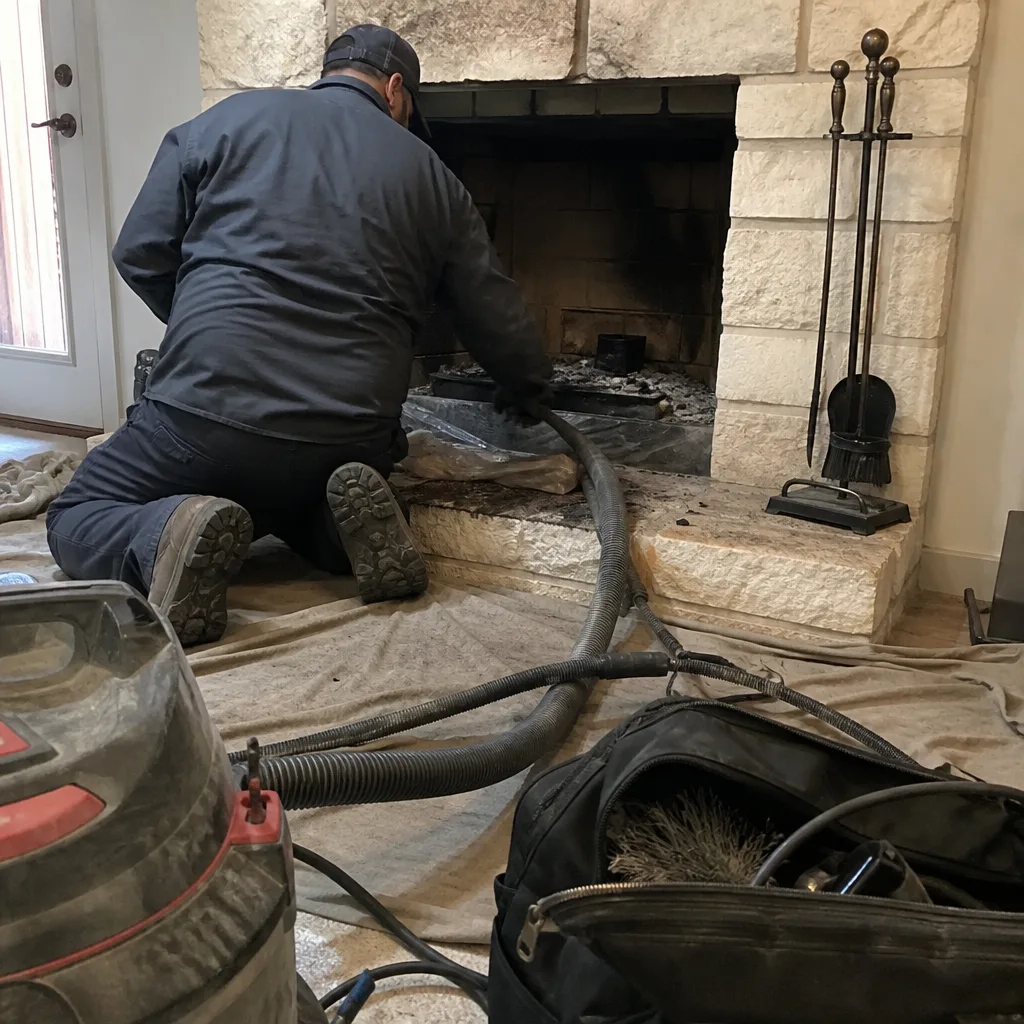 Before
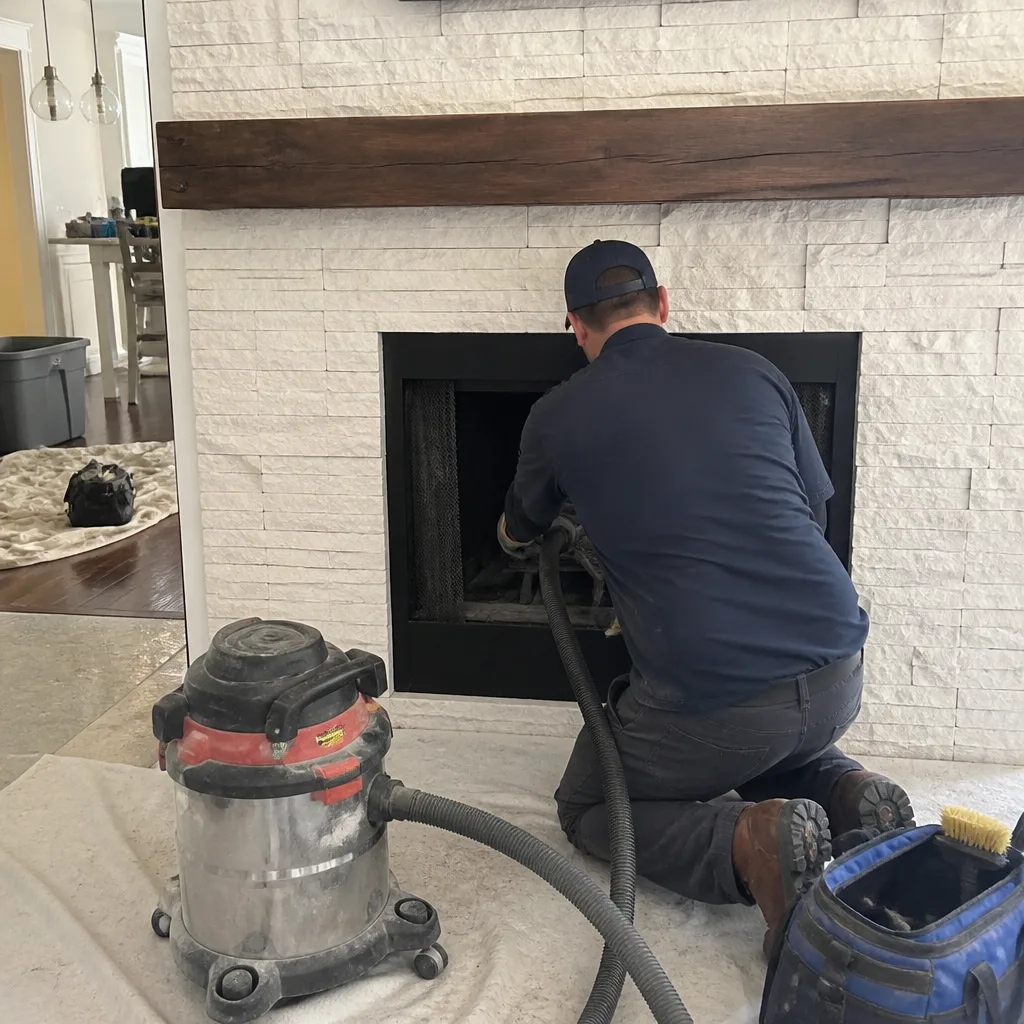 After
After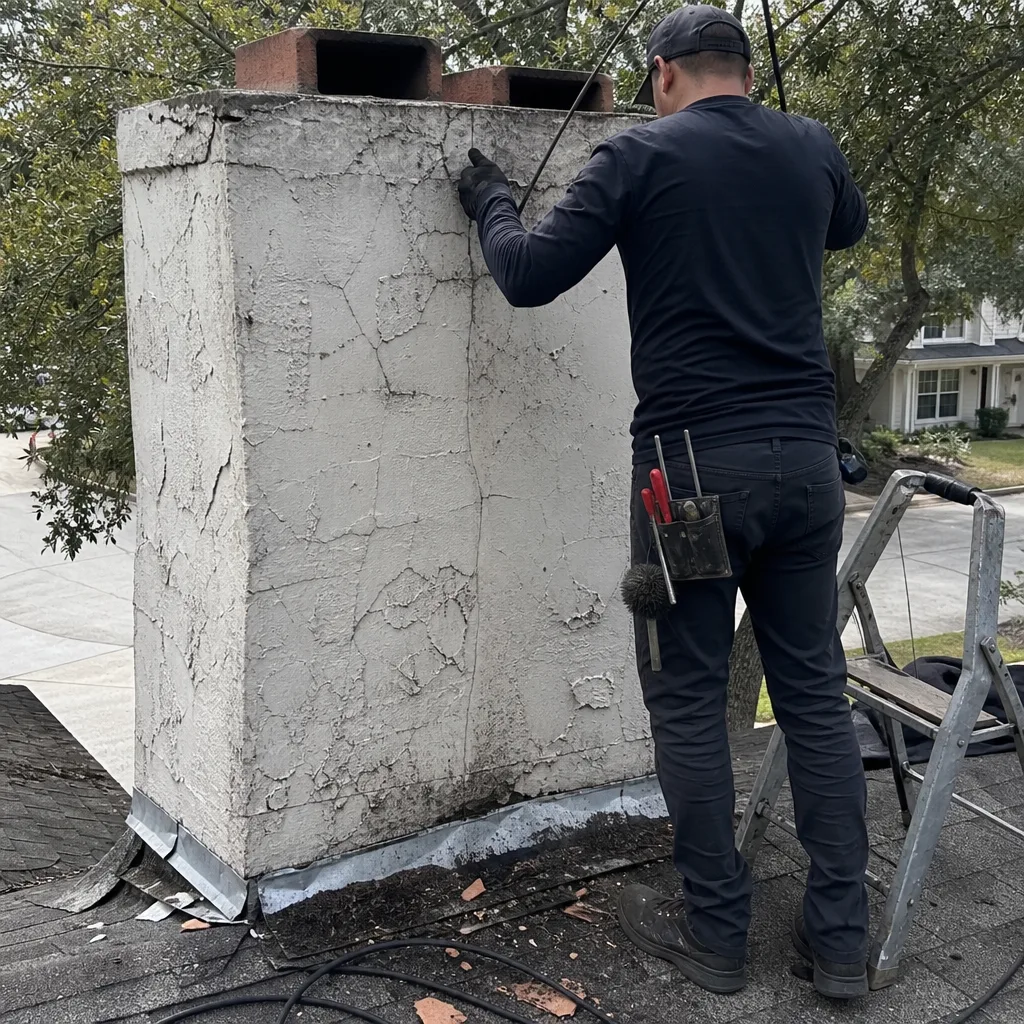 Before
 After
After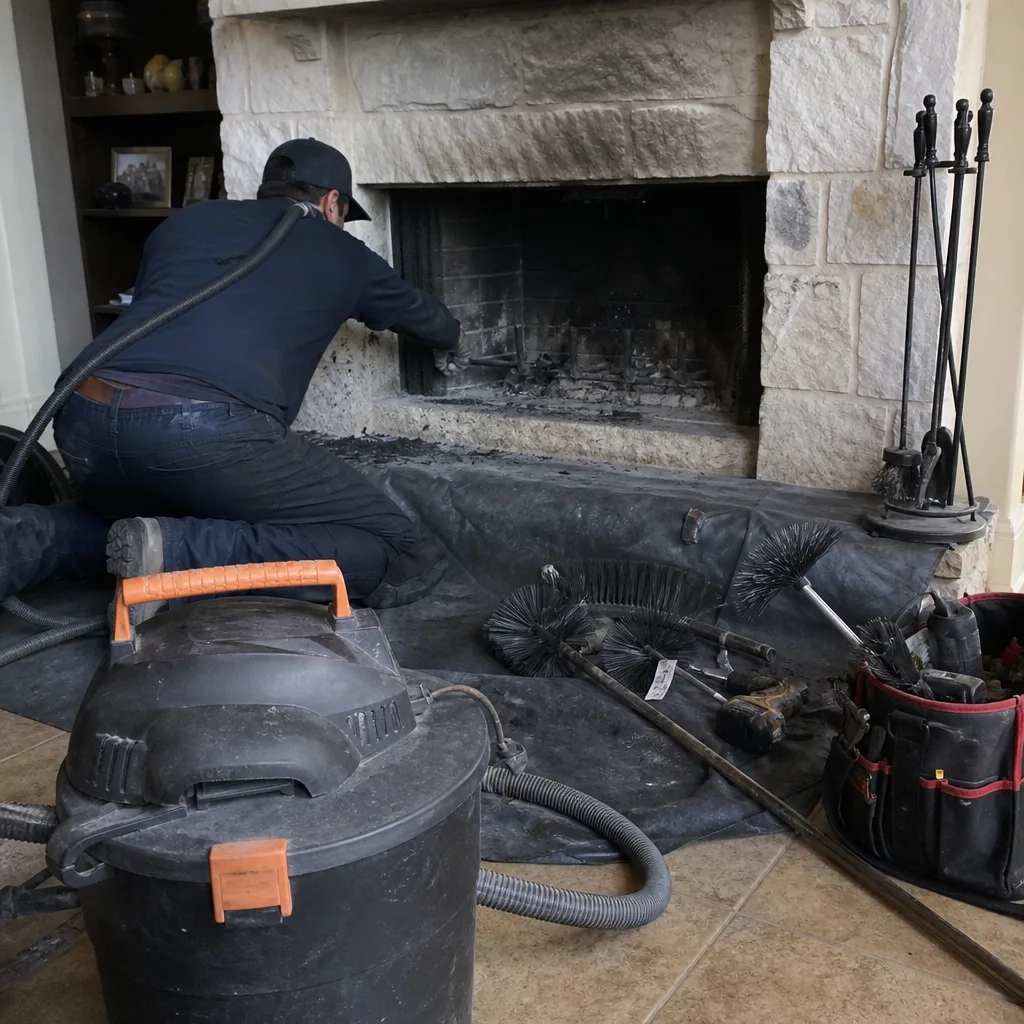 Before
 After
After