
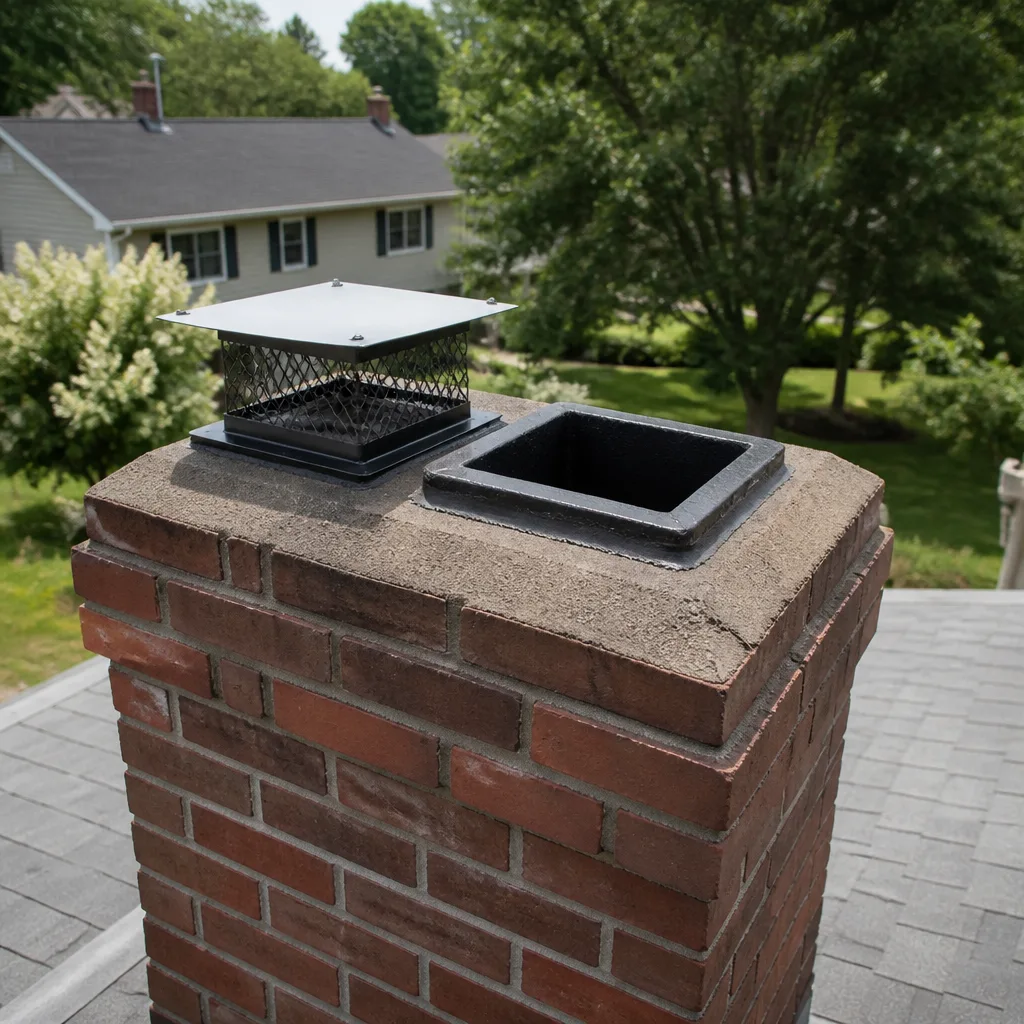
 Sweep & inspection
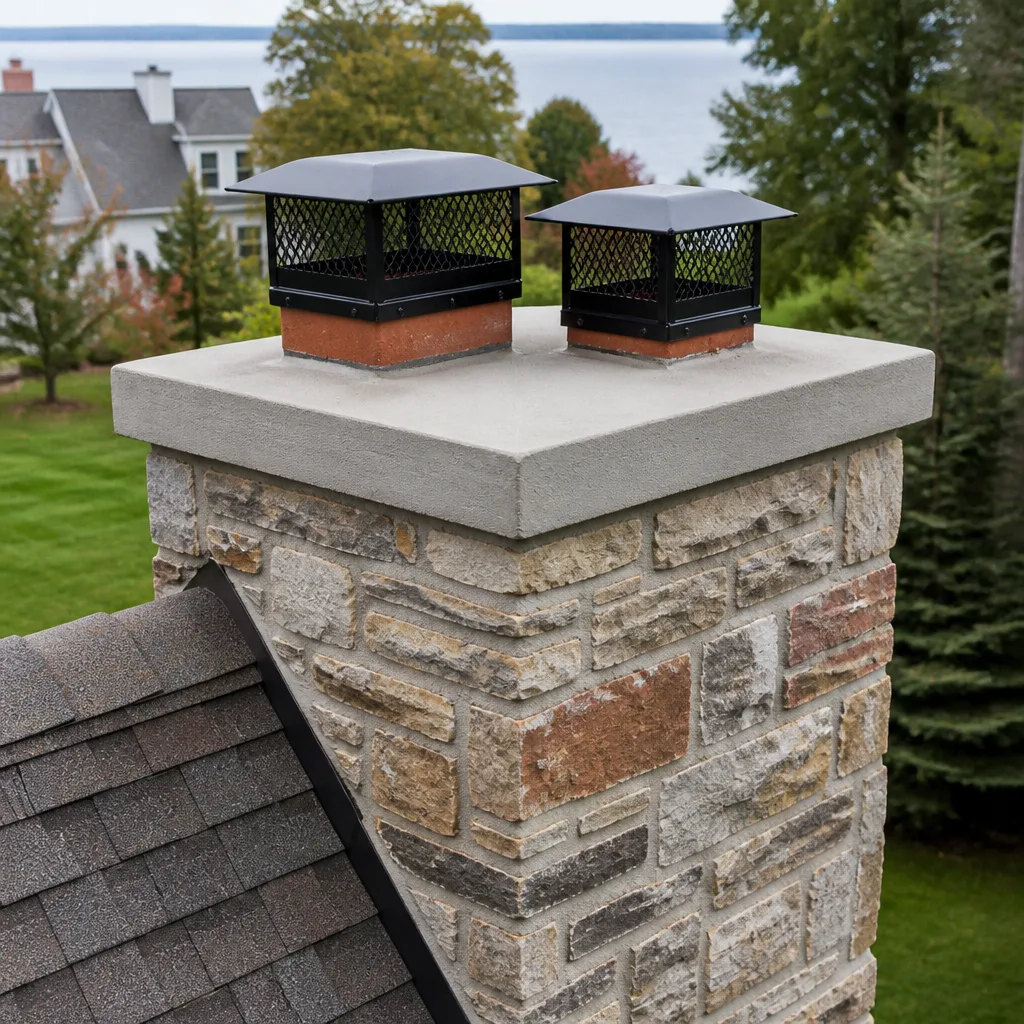 Caps & crowns
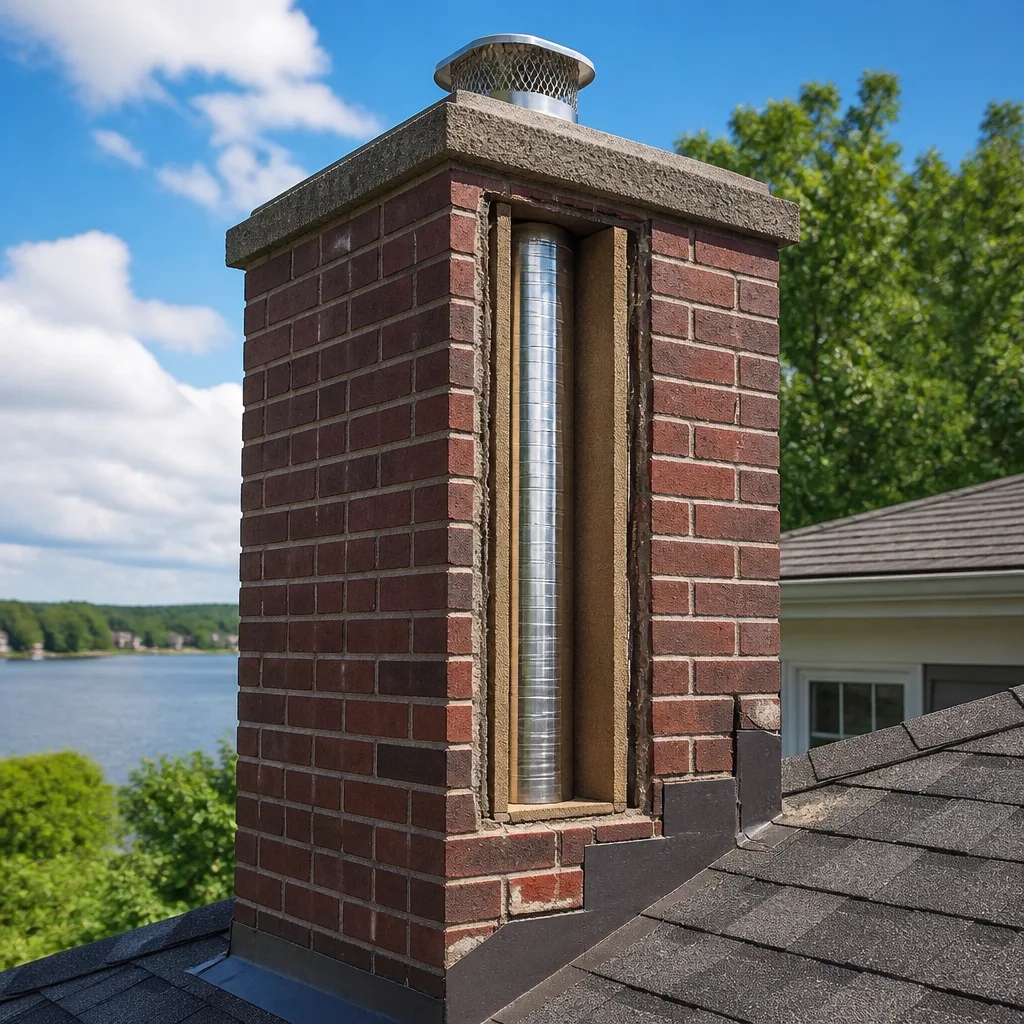 Flue relining
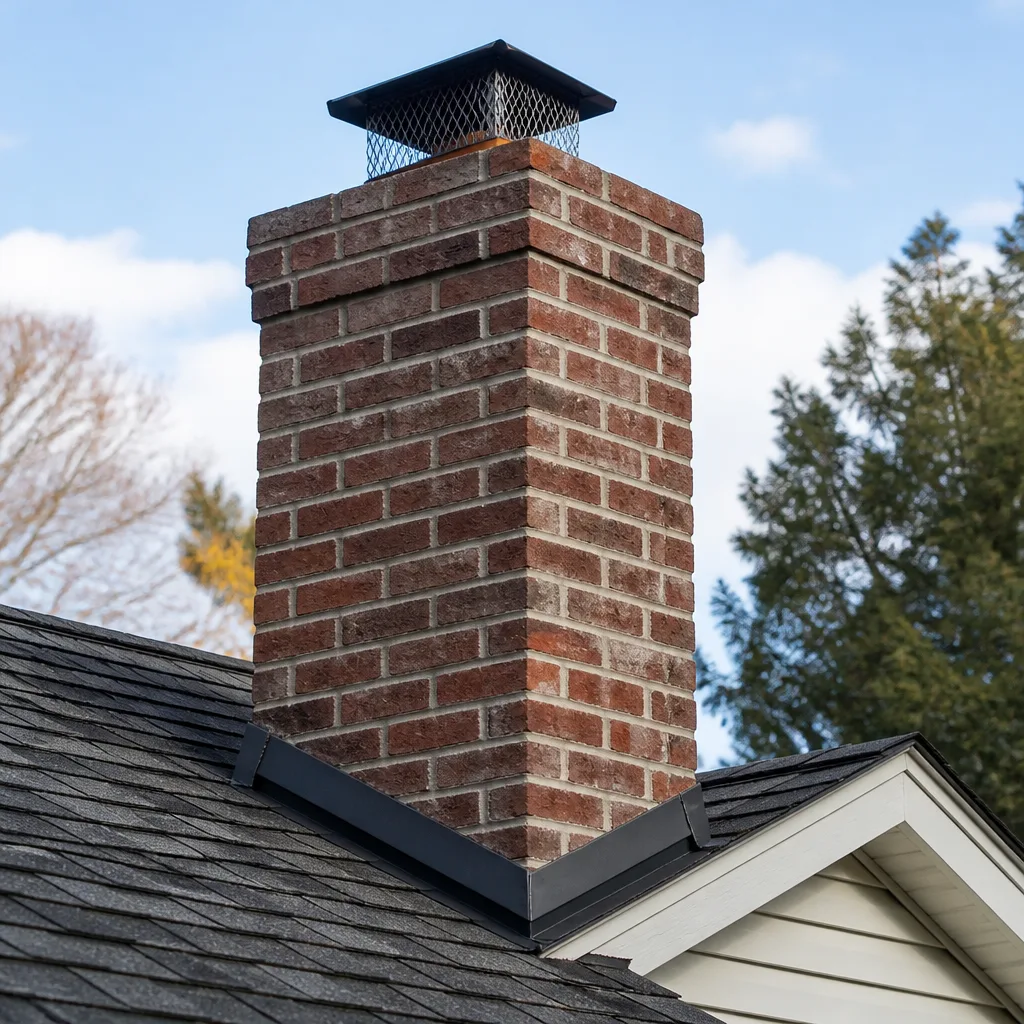 Masonry repair
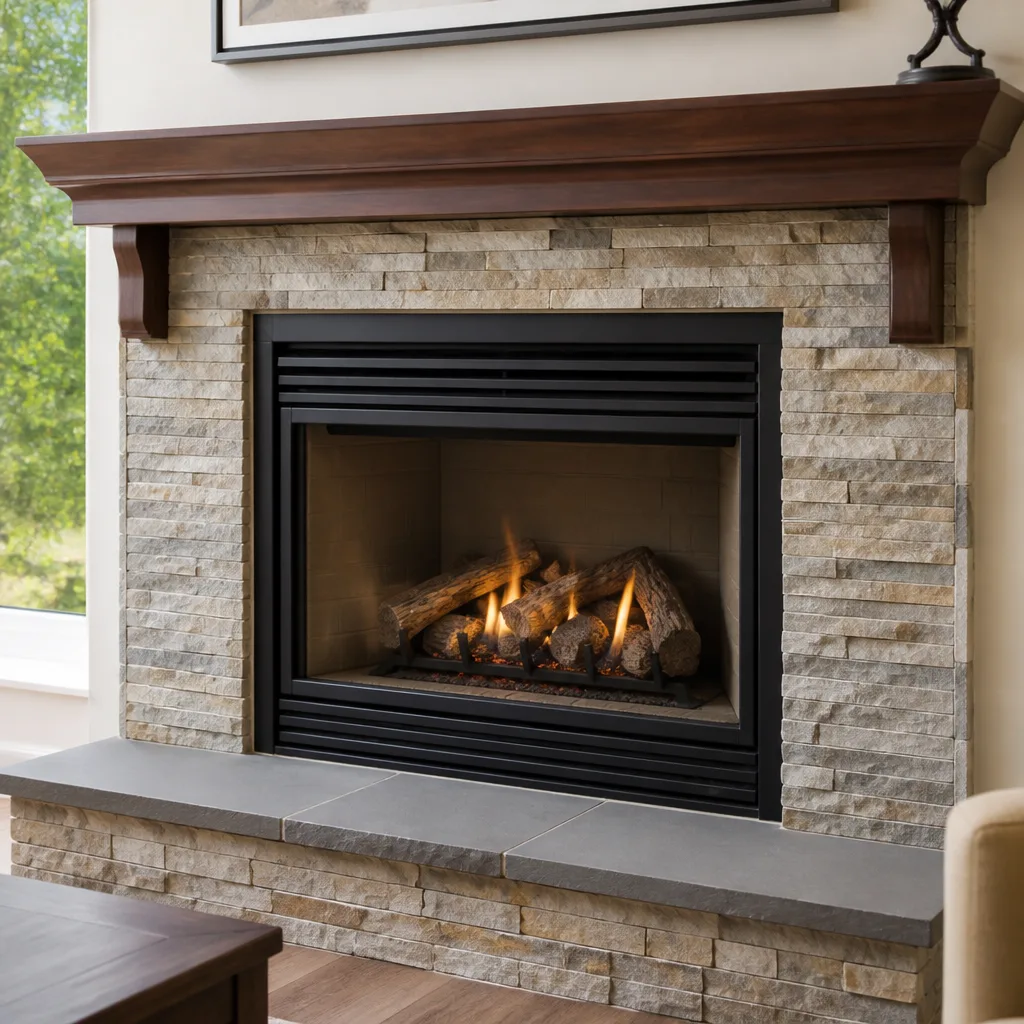 Gas fireplace service
Level 1 sweep and inspection to the NFPA 211 annual standard - flue, crown, cap, and flashing checked and photographed
Chimney sweep logs do not sweep chimneys. They loosen some creosote - which then falls where a brush and vacuum still have to collect it.
HeatShield Chimney Inspection in San Antonio: What to Know First
HeatShield chimney inspection in San Antonio typically costs $189 – $349 depending on the level of inspection and whether we’re using a camera to see inside the flue. We are an independent HeatShield service provider – not affiliated with or authorized by the manufacturer – and we complete most standard inspections within 90 minutes, with a written report and photos in your hands the same day. If you own a home with HeatShield resurfacing in the flue, or you’re buying one that has it, this page covers what actually matters before you spend a dollar. Call (903) 515-5079 for a straight answer and a written price.
Key Takeaways
- HeatShield is a cast-in-place refractory resurfacing system used to repair damaged flue liners – it’s not a liner replacement in the traditional sense.
- Inspection pricing in San Antonio runs $189 – $349 for most HeatShield jobs; Level 3 inspections with demolition access can run higher.
- HeatShield failures in San Antonio often trace to moisture intrusion, not heat – our ceramic-lined clay tiles absorb water during heavy storm seasons and spall during freezes.
- We document everything with a camera. You’ll see the exact condition of the HeatShield surface before we recommend anything.
- Every inspection includes a written report, a written price for any follow-up work, and our 365-Day Done Right Promise on repairs.
Styles & brands we work with
How HeatShield Products Fail – and How We Fix Them
HeatShield has real-world failure modes that are distinct from stainless liners or original clay tile. Here’s what we see most often in San Antonio homes, what causes it, and how we approach the repair.
- Spalling at the flue crown transition. The HeatShield Cerfractory material handles high heat well, but the bond line where it meets the original masonry crown is a stress point. San Antonio’s freeze-thaw cycles in January and February force water into that seam, it expands, and the material starts flaking away. We see this routinely on homes in Shavano Park and Helotes. The fix is a targeted patch of the affected area after the crown is sealed – not necessarily a full re-coat.
- Hairline cracking in the Cerfractory surface after a chimney fire. HeatShield is rated for high temperatures, but a creosote fire can exceed its limits and leave hairline vertical cracks running up the flue. These cracks are hard to see with a naked eye from the top, which is exactly why we run a camera inspection on every HeatShield job. If the cracks are superficial, a HeatShield treatment over the affected section usually restores the surface. If they’ve penetrated to the original substrate, we’ll tell you plainly that a liner system like DuraFlex may be the more honest long-term answer.
- Delamination from improper original application. Some HeatShield installations in San Antonio were done by crews that didn’t properly clean the original flue surface before spraying. When that happens, the HeatShield layer can separate from the original tile in sheets. During an inspection, our camera picks this up as visible gaps or a “bubbled” appearance. This is a warranty-adjacent issue – the original installer matters more than the material – but we can assess whether a re-coat or a different approach makes sense.
- Condensation corrosion on gas fireplace flues with HeatShield coating. Gas appliances produce acidic condensation, and when a HeatShield-coated flue carries a gas fireplace that was converted from wood burning without proper adjustments, the Cerfractory surface degrades faster than expected. In San Antonio, we find this most often in homes built in the 1990s that later converted to gas logs. The fix starts with a Level 2 camera inspection to map the degradation, then we recommend either a re-coat with the right HeatShield compound formulation or a switch to a corrosion-resistant liner like Gelco for the gas application.
- Flue connector corrosion where the appliance meets the HeatShield surface. The connection point between your fireplace or stove and the resurfaced flue is a common failure zone. Heat expansion and contraction at that junction creates micro-cracks that let flue gases escape. We’ve pulled apart enough of these transitions in the Alamo Heights and Terrell Hills areas to know that the problem is almost always a failed connector, not the HeatShield material itself. Fixing the connector and sealing the joint is usually a same-day job.
Our HeatShield Chimney Inspection Process
When you call us for a HeatShield chimney inspection in San Antonio, here’s exactly what happens.
- 1
You call and a live person answers. At 11 a.m. or 11 p.m., you get a real human on the line. We’ll ask about your chimney type, what you’re seeing, and whether you’ve had any work done recently. We’ll also tell you the technician’s name and we’ll text you their photo before the appointment, so you know exactly who’s showing up.
- 2
The technician arrives with the right camera equipment. HeatShield inspection requires a high-resolution flue camera, not just a flashlight. We bring the tools to see the entire resurfaced surface, from the firebox to the crown.
- 3
We perform the inspection level you need. Level 1 is a visual check of the accessible areas when nothing has changed. Level 2 adds the full camera scan of the flue interior – which is what most HeatShield owners in San Antonio need, especially if you’re buying or selling the home. Level 3 gets into the masonry itself when we suspect hidden damage, and that’s rare.
- 4
You see the footage with us. We don’t just tell you what we saw. We show you on the camera screen – the cracks, the spalling, the areas that are holding up fine. Ruben Castellano has a reputation for showing customers exactly what he found, no vague warnings, no invented problems.
- 5
You get a written price before any work starts. If repairs are needed, you’ll have a dollar figure in writing before you agree to anything. No surprise charges. No “we found more once we got started.” The price we quote is the price you pay.
- 6
Any repair we make is documented and guaranteed. We photograph the work before and after, and every repair carries our written guarantee. If that repair fails within the coverage period, the second visit is free. That’s the 365-Day Done Right Promise, and it’s written, not implied.
See the difference
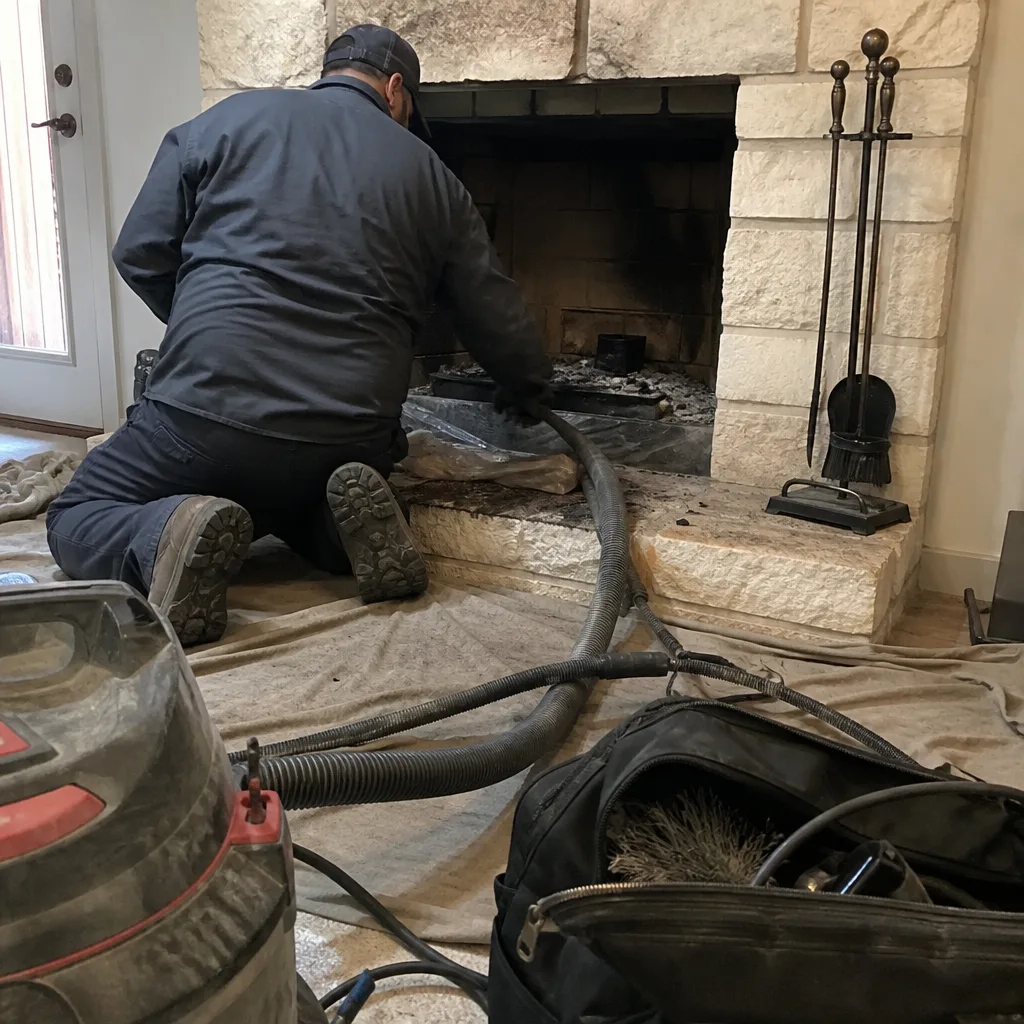 Before
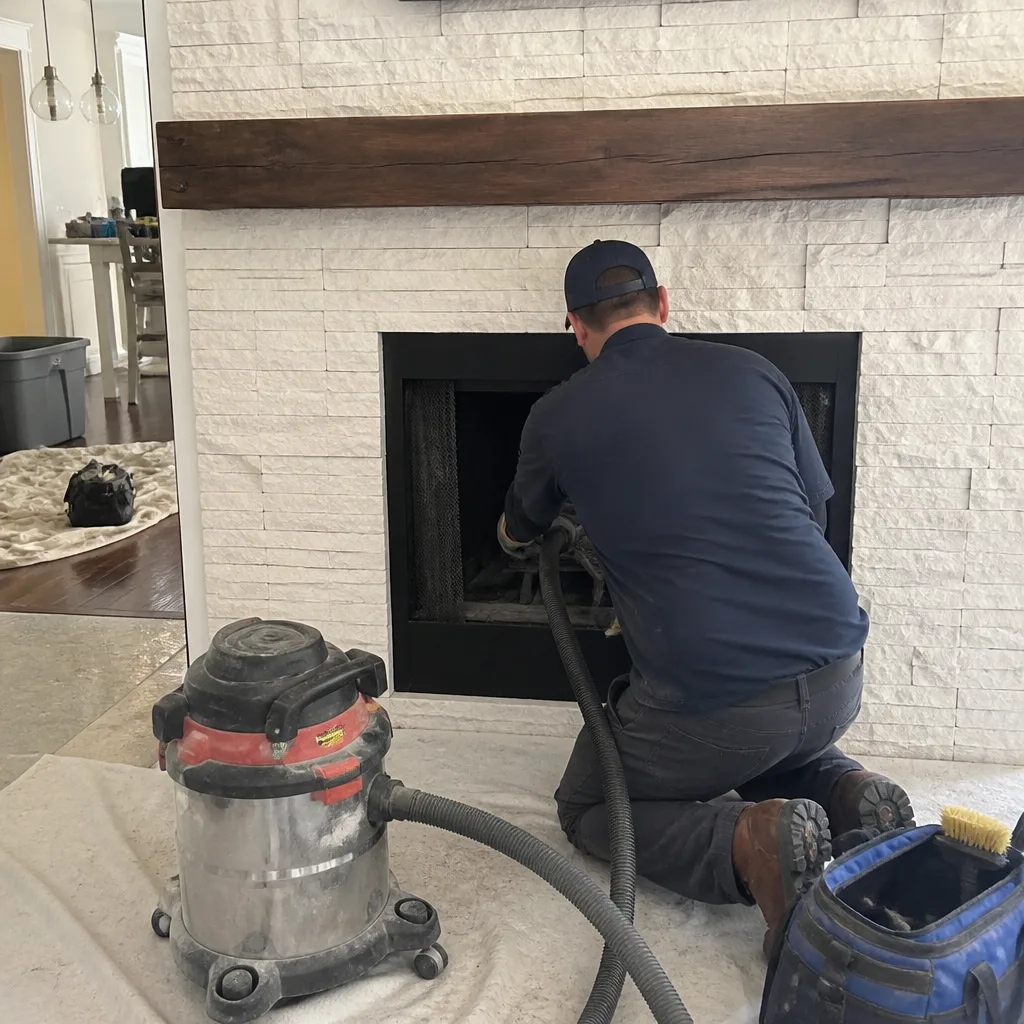 After
After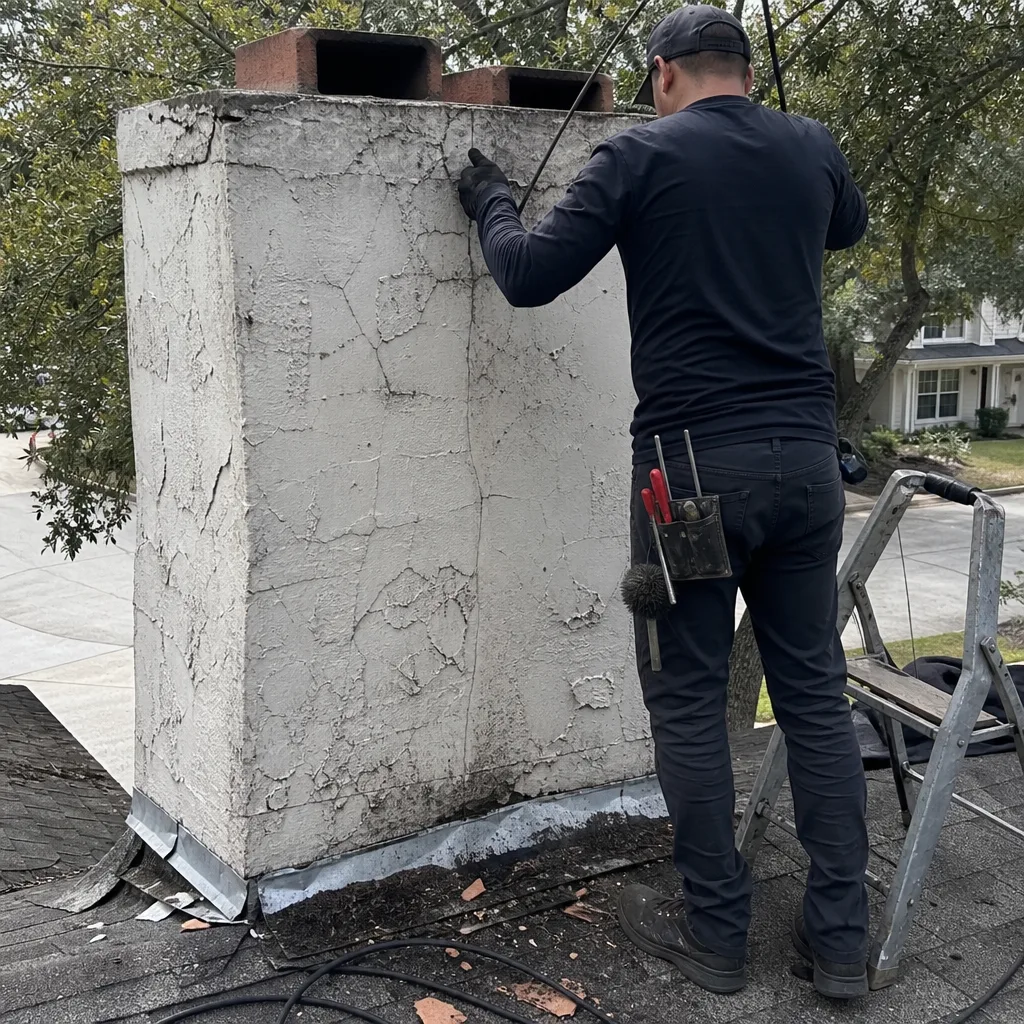 Before
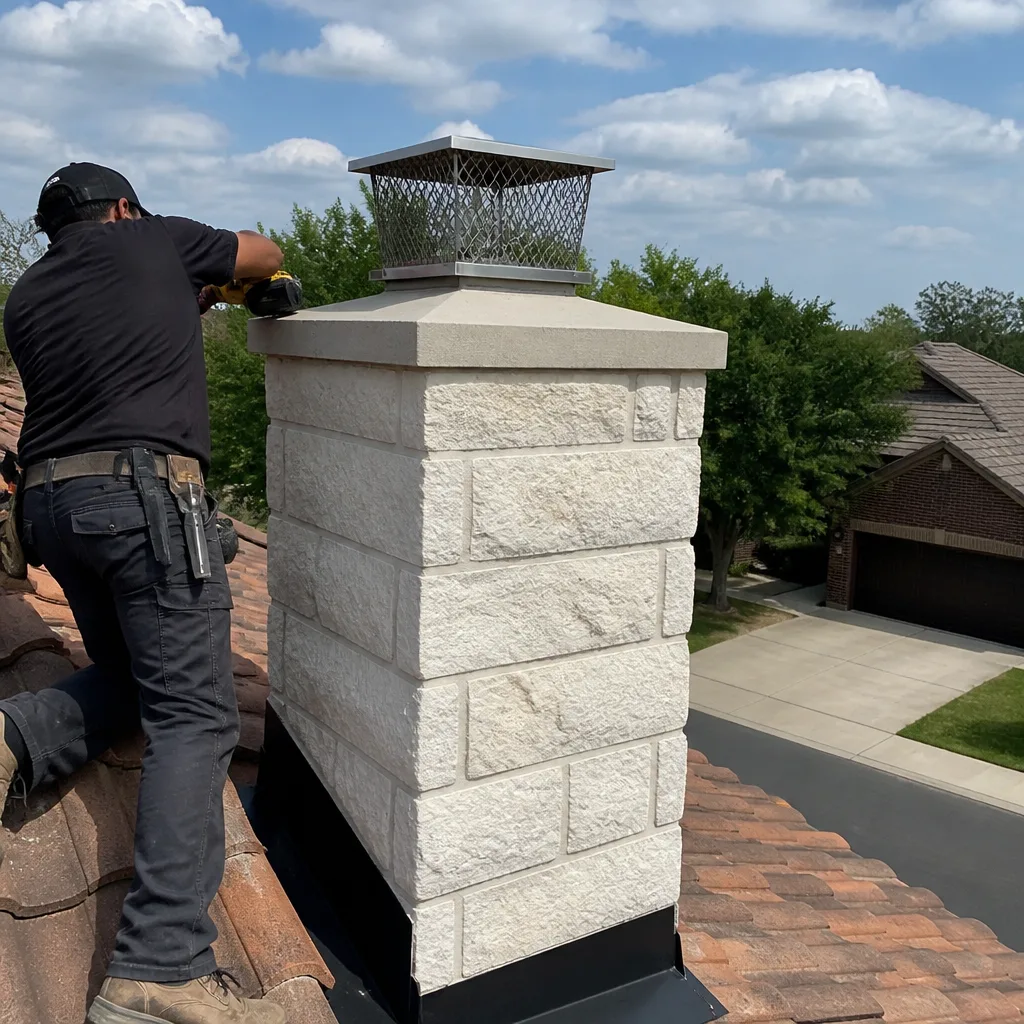 After
After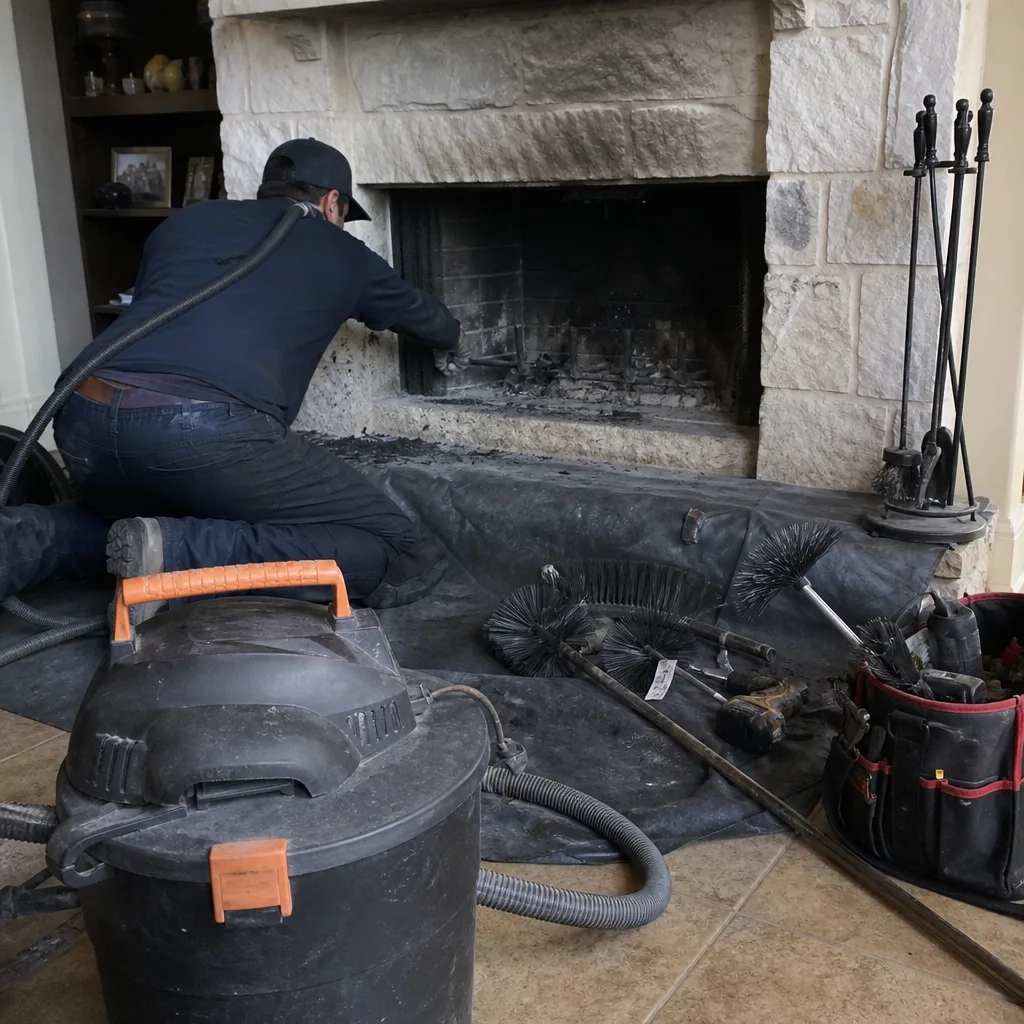 Before
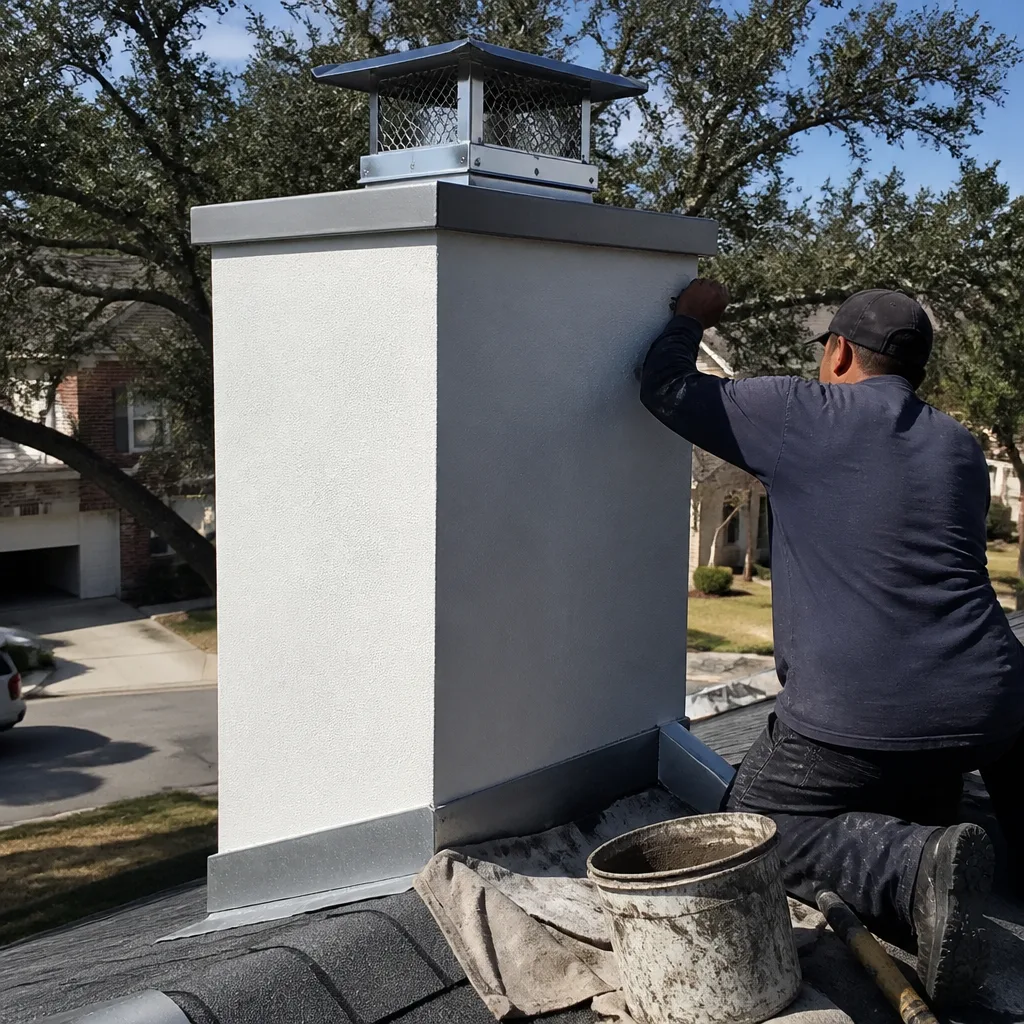 After
AfterWhat HeatShield Chimney Inspection Costs in San Antonio
Here’s what you can expect to pay for HeatShield chimney inspection work in the San Antonio market.
- Level 1 inspection (visual, accessible areas only): $189 – $249. Best for annual checkups when nothing has changed and you haven’t had issues.
- Level 2 inspection (with camera scan): $289 – $349. This is the right choice for most HeatShield owners, real estate transactions, or after a chimney fire or storm event.
- Level 3 inspection (with masonry access): Starts at $500 and varies widely depending on scope. Rarely needed unless we suspect serious hidden damage.
- HeatShield re-coat or patch work: $800 – $2,500 depending on flue length, access difficulty, and the extent of surface prep needed. We give you a written price before any of this begins.
What moves the price: roof access difficulty (steep pitches in areas like Terrell Hills add time), flue height, and whether we need to remove a chimney cap or rain cover to get the camera in. A two-story home with a steep roof in Dominion will cost more to inspect than a single-story rambler near Woodlawn Lake, simply because of access time. Call (903) 515-5079 and we’ll give you a written quote over the phone – no obligation.
Why San Antonio Homeowners Call Alcott Chimney San Antonio for HeatShield Work
We’ve been serving San Antonio homeowners since 2002, and in that time we’ve built our reputation on one thing: when we tell you something is wrong with your chimney, you can see it with your own eyes. Our technicians are background-checked and identity-verified under the Threshold Standard – that means every person we send to your home has been vetted before they ever knock on your door, and you’ll have their name and photo in advance. That matters when you’re home alone with kids, or when you’re an older homeowner who wants to know exactly who’s coming.
We service HeatShield, DuraFlex, Gelco, and the other professional trade brands – and we carry all of them, so when a HeatShield re-coat isn’t the right fix, we won’t try to force it. We’ll tell you if a DuraFlex liner or a Gelco product makes more sense for your specific flue. That’s the straight-answer approach Ruben Castellano built this company on. And every job, inspection or repair, is backed by the 365-Day Done Right Promise in writing.
FAQs
Yes, a Level 2 camera inspection of your HeatShield surface will document the current condition, which is what most warranty claims require. We cannot file or manage your warranty claim as an independent HeatShield service provider, but our written report and photo documentation gives you exactly what the manufacturer will ask for. If we find issues, we’ll tell you plainly whether they look like application errors, weather damage, or wear-and-tear. Call (903) 515-5079 to schedule the inspection.
Most HeatShield chimney inspections in San Antonio take 60 to 90 minutes from arrival to cleanup. A Level 2 camera inspection tends toward the longer end because we’re running the camera up the entire flue and reviewing footage with you. Roof access and chimney height can add time. We’ll give you a specific window when you book.
Yes, we inspect HeatShield systems regardless of who installed them. In fact, a large share of the HeatShield inspections we perform in San Antonio are on systems installed by other companies – often because the homeowner wants a second opinion before spending on repairs. We’re independent, so our only incentive is to tell you what’s actually there.
Every 12 months for a wood-burning fireplace, and every 24 months for gas, is what we recommend for HeatShield systems in San Antonio. Wood fires create creosote and heat stress that gas does not, so annual inspection catches spalling and cracking before a small issue becomes a flue failure. If you’ve had a chimney fire, a Level 2 inspection is appropriate immediately after, before you light another fire.
A standard chimney sweep removes creosote and surface buildup. A HeatShield inspection goes further – we’re assessing the structural condition of the applied resurfacing material itself, looking for cracks, delamination, spalling, and bond failures that a sweep alone won’t catch. Most HeatShield owners in San Antonio book both at the same time: sweep first, then camera inspection while the flue is clean. Call (903) 515-5079 for a package price.
If you have a HeatShield chimney and you haven’t had it inspected in over a year, or you’re in the process of buying or selling a San Antonio home, call us at (903) 515-5079 and tell us what you’re working with. We’ll give you a written estimate, send you the technician’s name and photo before we arrive, and walk you through exactly what we find. No upselling. No vague warnings. Just a plain description and a fair price.
Written by Ruben Castellano, Owner, Alcott Chimney San Antonio at Alcott Chimney San Antonio, serving San Antonio and nearby areas.