
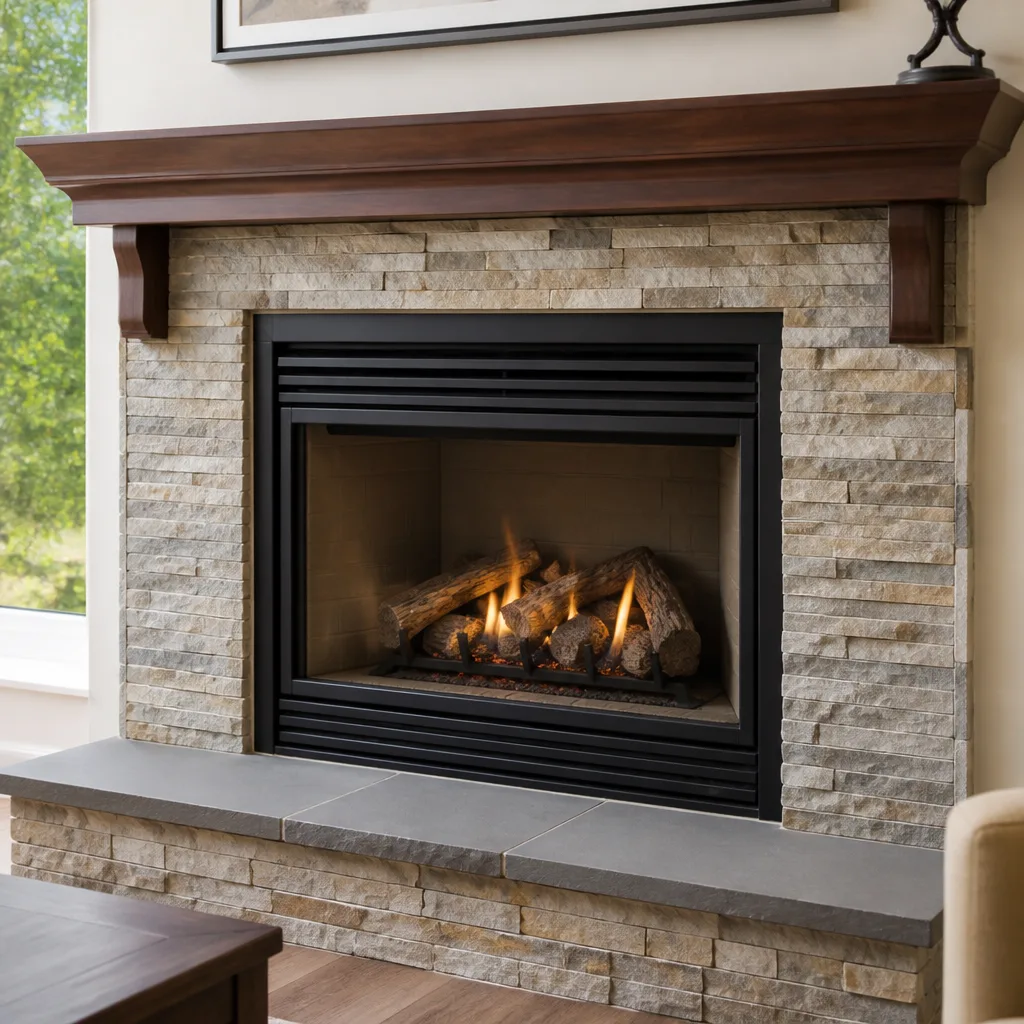
 Gas fireplace service
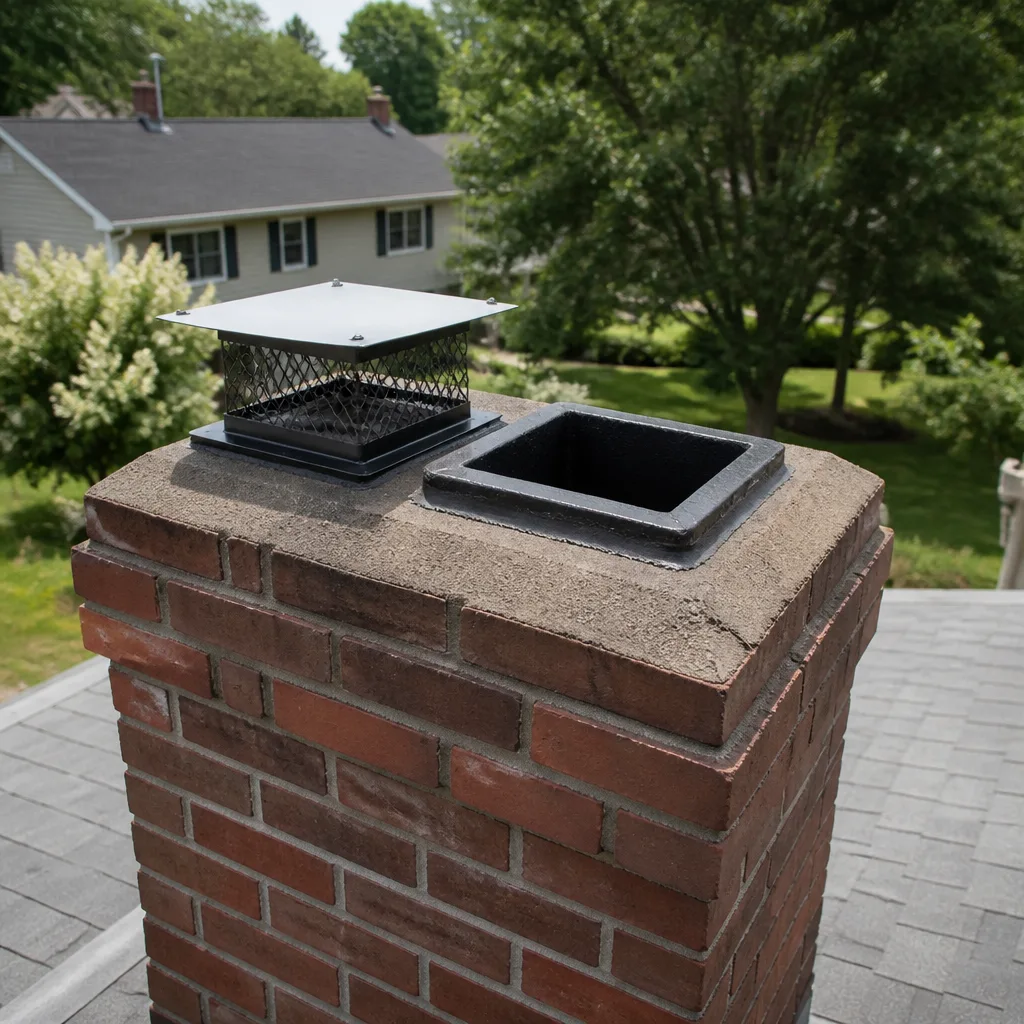 Sweep & inspection
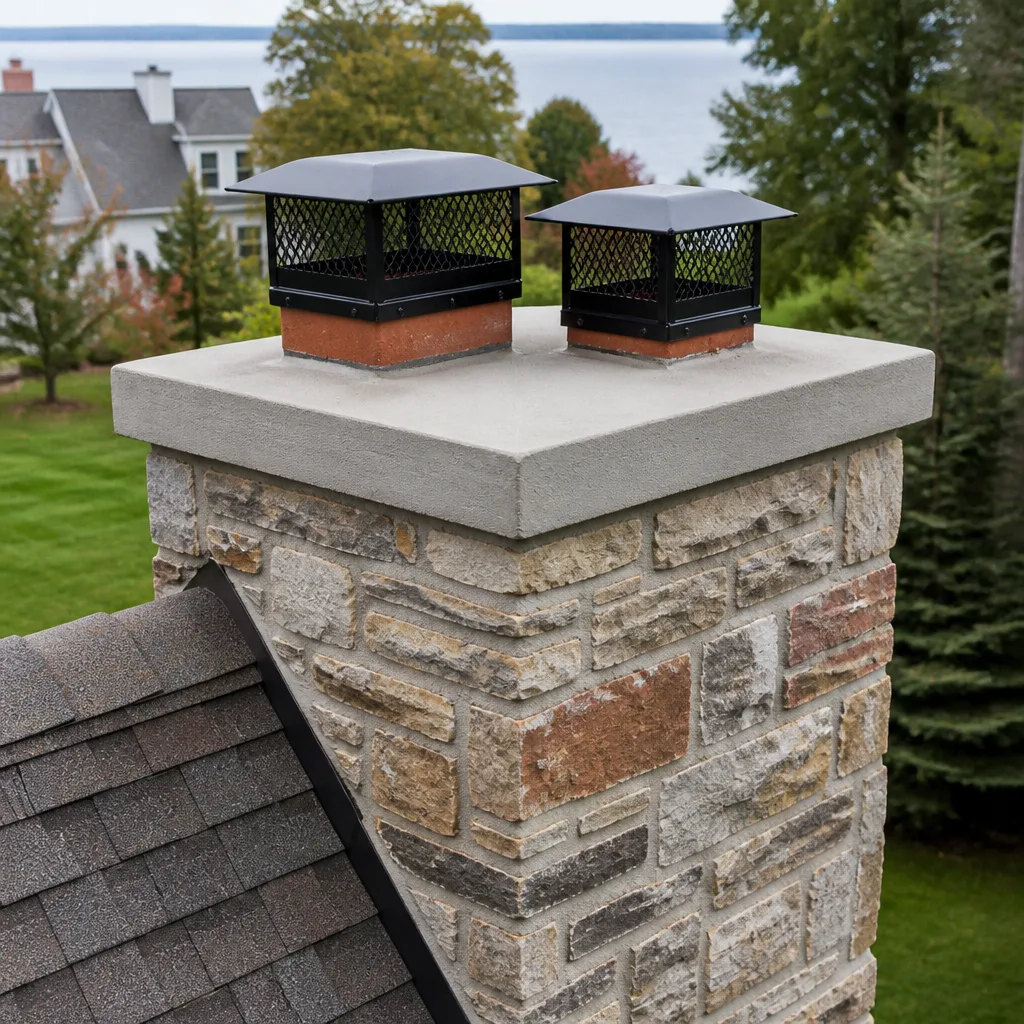 Caps & crowns
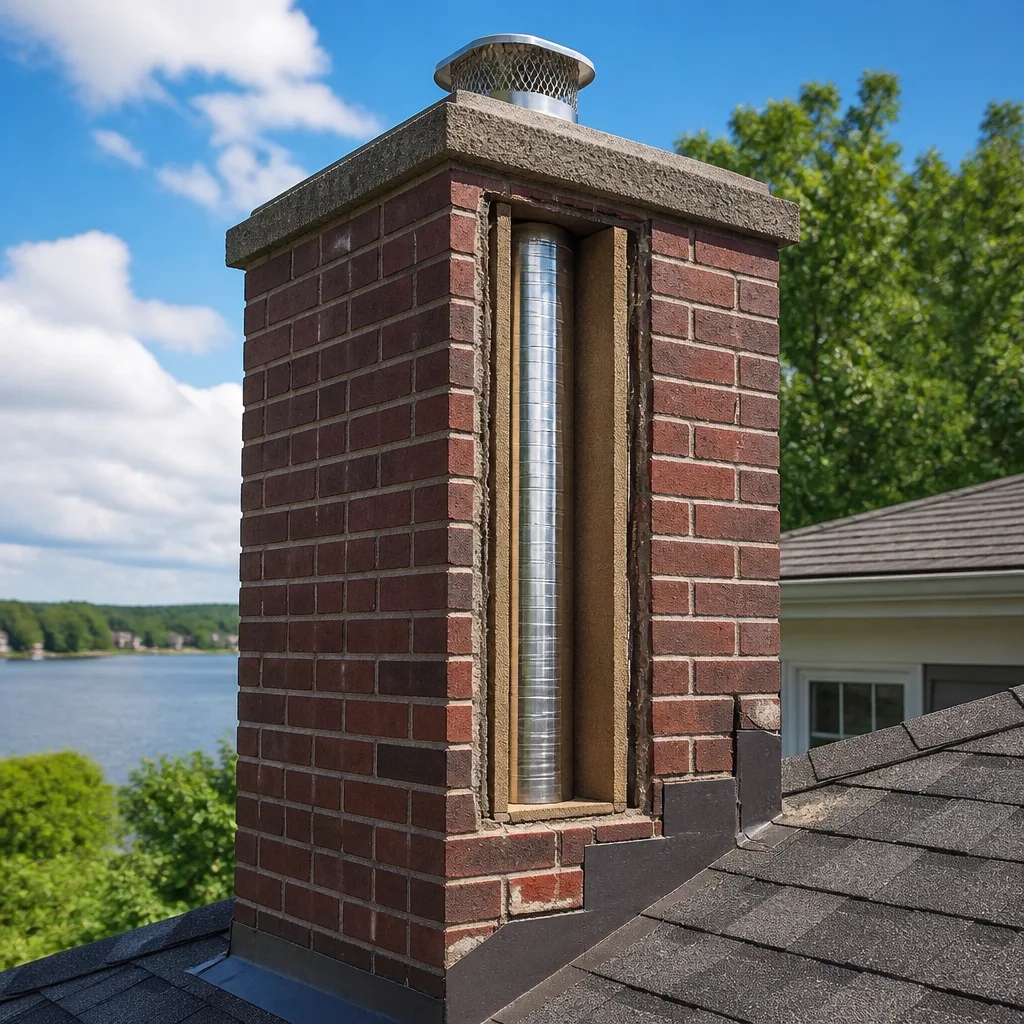 Flue relining
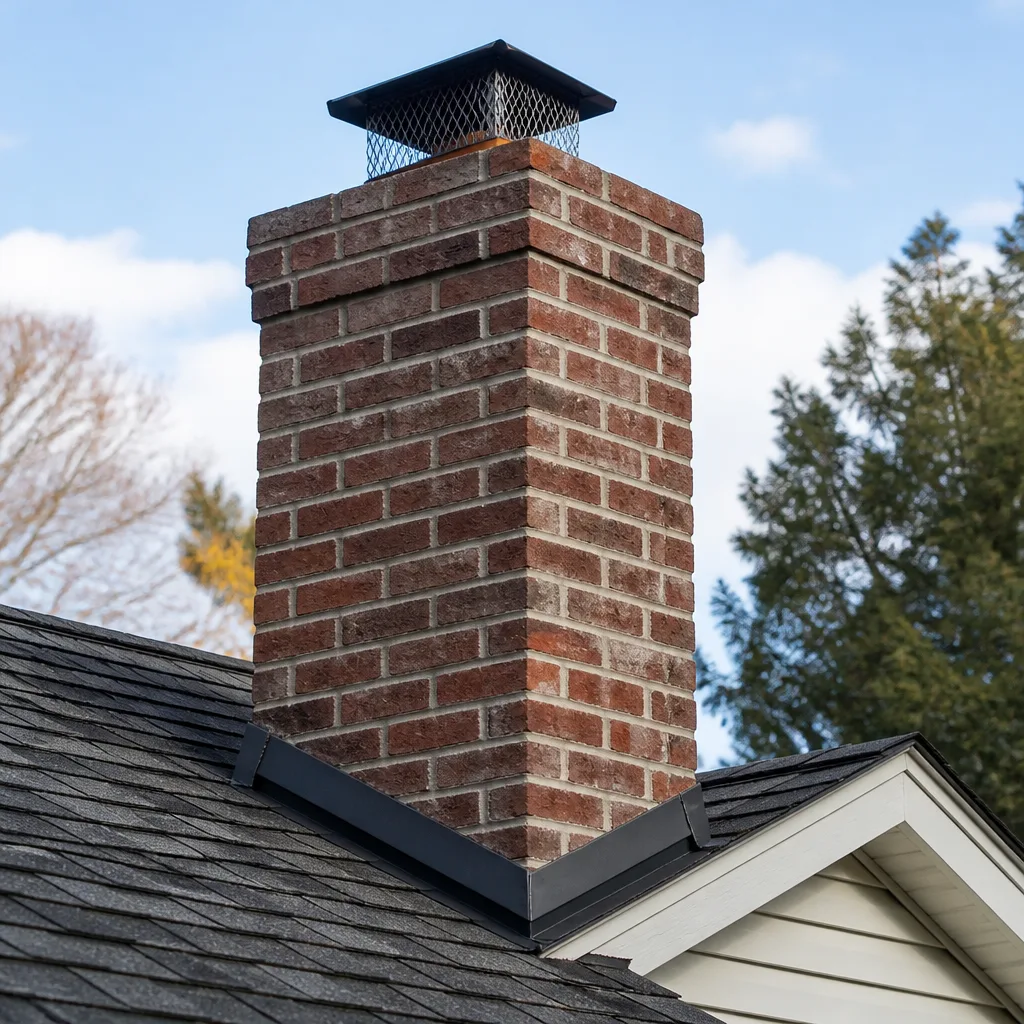 Masonry repair
Level 1 sweep and inspection to the NFPA 211 annual standard - flue, crown, cap, and flashing checked and photographed
Chimney sweep logs do not sweep chimneys. They loosen some creosote - which then falls where a brush and vacuum still have to collect it.
Why San Antonio Homeowners Choose HeatShield Chimney Cleaning
Alcott Chimney San Antonio provides independent San Antonio Heatshield service including chimney cleaning, inspection, and repair throughout the city and the surrounding Hill Country. We work with HeatShield’s Cerfier resurfacing system, Joint Repair System, and Smoke Chamber Repair System on a weekly basis, and our technicians understand how these materials behave in San Antonio’s specific climate: humid summers, brief winter freezes, and clay-heavy flue conditions that accelerate ceramic wear. We are not affiliated with or authorized by HeatShield as a manufacturer. We’re an independent service provider, which means we tell you plainly what your HeatShield surface needs and what it doesn’t. Call (903) 515-5079 for a free estimate from Ruben Castellano’s team.
Key Takeaways
- We service and install all HeatShield product lines: Cerfier, Joint Repair System, and Smoke Chamber Repair System.
- We’re independent, not manufacturer-authorized. That means honest repair-first recommendations, not sales scripts.
- Every HeatShield job includes a written price before work starts and a written 365-day guarantee on every repair.
- Our technicians are background-checked and identity-verified under the Threshold Standard. You’ll know the name and see the photo of who’s coming before we arrive.
Why Trust Alcott Chimney San Antonio for Your HeatShield Chimney Cleaning?
HeatShield’s cerfier material is a specialized ceramic coating. It’s not something a general handyman should touch, and it’s not something you want someone learning on the job inside your flue. Our crew has worked with HeatShield products long enough to know the difference between a surface still doing its job and one that’s quietly failing behind the ceramic layer. Ruben Castellano came up through the building and construction program at Los Angeles Trade-Technical College and spent years working chimneys across the Southwest before putting down roots in San Antonio. He’s been working on older masonry chimneys in neighborhoods like Alamo Heights and Monte Vista for well over a decade. That’s the kind of hands-on experience that matters when you’re deciding whether a HeatShield surface needs a spot repair or a full resurfacing. Ruben’s rule on the job is simple: he’d rather give you a straight answer today than a vague promise you have to call us back about tomorrow.
Here’s what trusting us looks like in practice. Before any technician steps onto your property, you receive their name and photo. They arrive in uniform and show a photo ID badge at the door. Every time, no exceptions. That’s the Threshold Standard, and it’s non-negotiable for every Alcott Chimney San Antonio job. When the work is done, you get a written guarantee covering every HeatShield repair for 365 days. If the repair fails within that period, the second visit is free. We don’t ask you to trust us blindly. We show you who’s coming, what they’ll do, what it costs, and what happens if it’s not right.
Styles & brands we work with
Common HeatShield Chimney Cleaning Problems We Fix in San Antonio
HeatShield systems are well engineered, but they’re not invincible. Here are the specific failure patterns we see most often on HeatShield installations in San Antonio homes, and why Heatshield repair in Cibolo follows the same climate-driven patterns.
- Cracked or spalled ceramic coating on HeatShield Cerfier systems. This usually comes from moisture intrusion behind the cerfier layer. In San Antonio’s older masonry chimneys, especially in King William and Monte Vista district homes with original clay tile liners, water seeps through cracked crowns or damaged mortar joints. When that moisture meets the ceramic coating, the freeze-thaw cycles in our brief winter cold snaps cause the surface to crack and flake. If you see white or gray flakes coming down the flue, that’s spalled cerfier.
- Joint separation in the HeatShield Joint Repair System. The JRS is designed to seal the seams between flue tile sections. But in unlined masonry chimneys that experience heavy thermal cycling, those joints can separate. San Antonio’s intense summer heat followed by a cold snap creates expansion and contraction. Over a few seasons, the sealant can pull away from the tile. The symptom is usually a smokier firebox or a slight draft issue that wasn’t there before.
- Deteriorated cerfier in smoke chambers from acidic creosote exposure. This is one we see often. If a chimney was not properly cleaned before the HeatShield was applied, residual creosote sits underneath the coating. Creosote is acidic. Over time, it eats at the ceramic from below. The smoke chamber surface becomes rough, discolored, or starts to crumble. This is why we always recommend a full cleaning before any HeatShield application or repair.
- Flaking or peeling cerfier over glazed creosote. HeatShield material does not bond to glazed creosote. Period. If the surface underneath wasn’t properly prepared, the cerfier will peel. We see this on San Antonio chimneys where a previous contractor skipped the mechanical cleaning step. Glazed creosote is the tar-like, glossy buildup that comes from burning unseasoned wood or running cool fires. The HeatShield coating will fail within a year or two if applied over it.
- Chimney swift nests damaging HeatShield surfaces. This is a San Antonio-specific problem, particularly in older neighborhoods inside Loop 410. Chimney swifts are a protected bird species. They find their way into uncapped flues and build nests against the chimney walls. The nests hold moisture and droppings against the HeatShield surface, which accelerates wear. Removing the nests requires care and legality, and we always recommend a proper chimney cap with a swift-proof design afterwards.
HeatShield Parts & Our Repair-vs-Replace Approach
Here’s where we draw a hard line. We use only genuine HeatShield cerfier materials for any HeatShield repair. Aftermarket substitutes do not carry the same UL listing or fire-resistance rating. That matters in San Antonio, where unlined masonry chimneys are common and the fire risk is real. Using a knockoff material to save a few dollars is not a savings. It’s a liability.
But that doesn’t mean we push full resurfacing when a smaller fix will do. Our approach is repair-first. If the existing HeatShield surface is intact except for a separated joint or a small spalled area, we do a spot repair using HeatShield’s Joint Repair System. If the surface is still smooth and adherent, we don’t resurface. If the cerfier is failing across a wide area, we’ll tell you exactly why a full resurfacing is the honest call, and we’ll show you the camera footage so you can see it yourself. Nothing recommended without camera evidence you can review. That’s the rule. Call (903) 515-5079 if you’d like us to look at your HeatShield surface and tell you what it actually needs.
Our HeatShield Service Process – Step by Step
- 1
Diagnosis with camera inspection. Every HeatShield job starts with a Level 2 inspection when the situation calls for it. We run a camera through the flue and show you what we see. Hairline cracks, joint separation, spalled cerfier, creosote pockets, moisture trails. You see the same footage we see.
- 2
Written price and honest recommendation. Before any work begins, you get a written price. If the existing HeatShield surface only needs a joint repair, that’s what we quote. If it needs a full Cerfier resurfacing, we explain why with the footage to back it up. No surprise charges at the end.
- 3
Proper surface preparation. This is where many HeatShield failures start. We mechanically clean the flue to remove all creosote, including glazed deposits. The ceramic will not bond to a dirty surface. We also address any moisture intrusion at the crown or flashing before applying HeatShield. Fixing the leak first, not after.
- 4
Application of genuine HeatShield materials. Whether it’s a Joint Repair System spot fix, a Smoke Chamber Repair, or a full Cerfier resurfacing, we use genuine HeatShield product, applied to the manufacturer’s specifications, and cured properly before the system is returned to service.
- 5
Post-repair verification and written guarantee. After the material cures, we run the camera again to verify coverage and adhesion. You get photo documentation of the finished surface. Every repair carries a written 365-day guarantee. If it fails within that year, the second visit is free.
See the difference
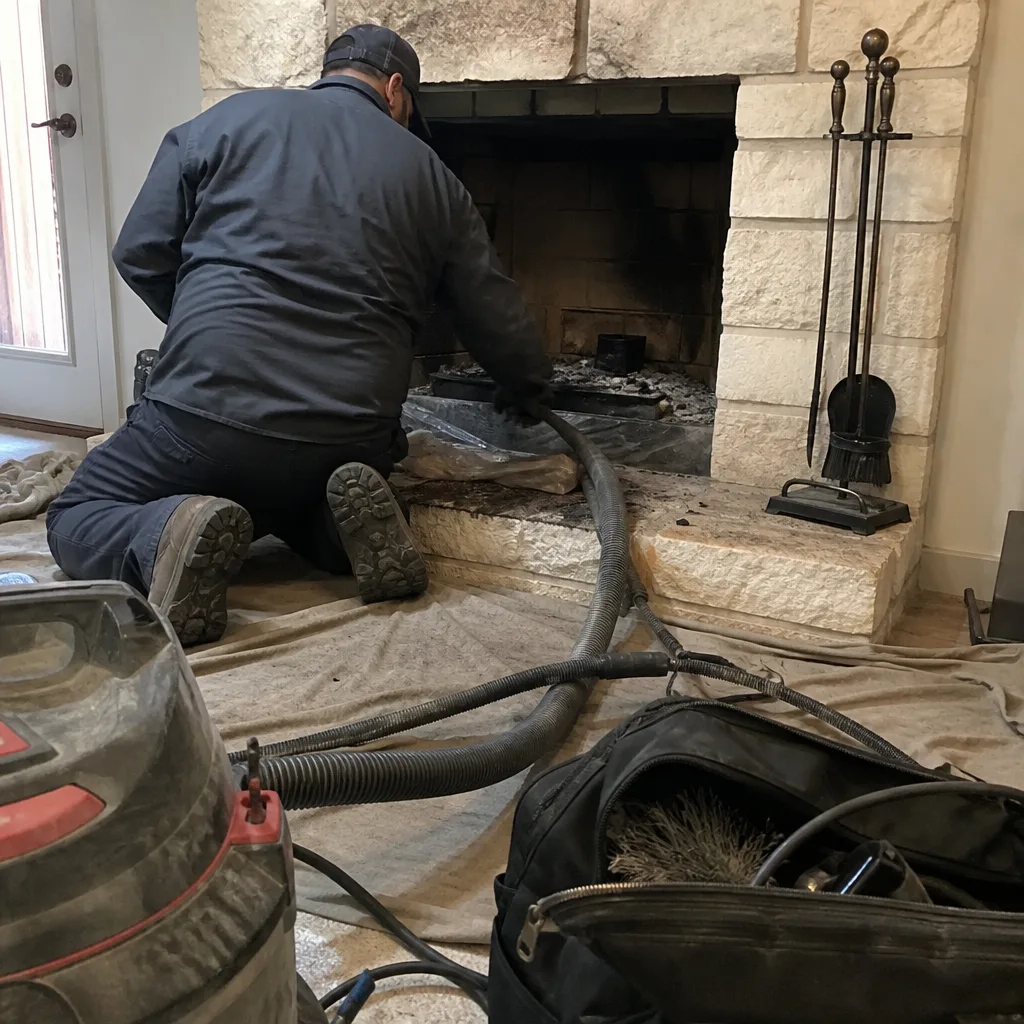 Before
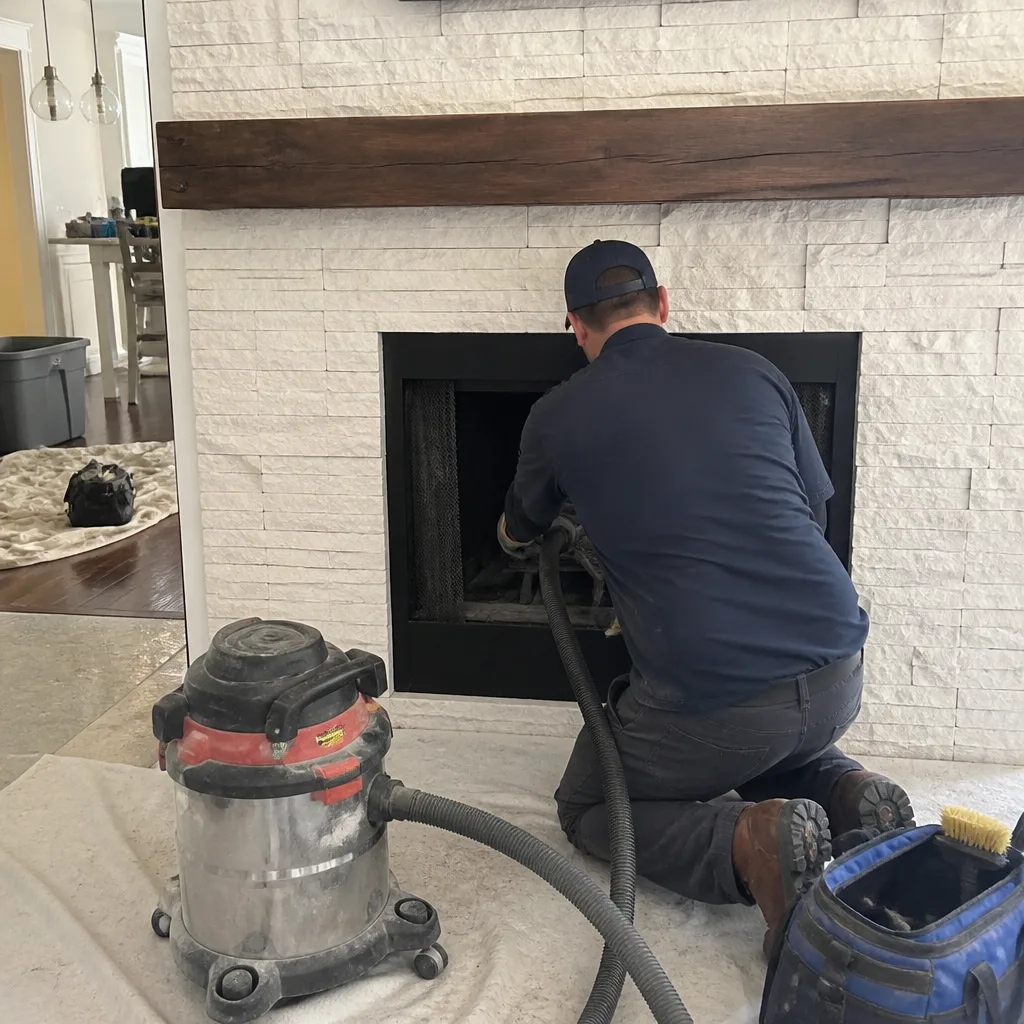 After
After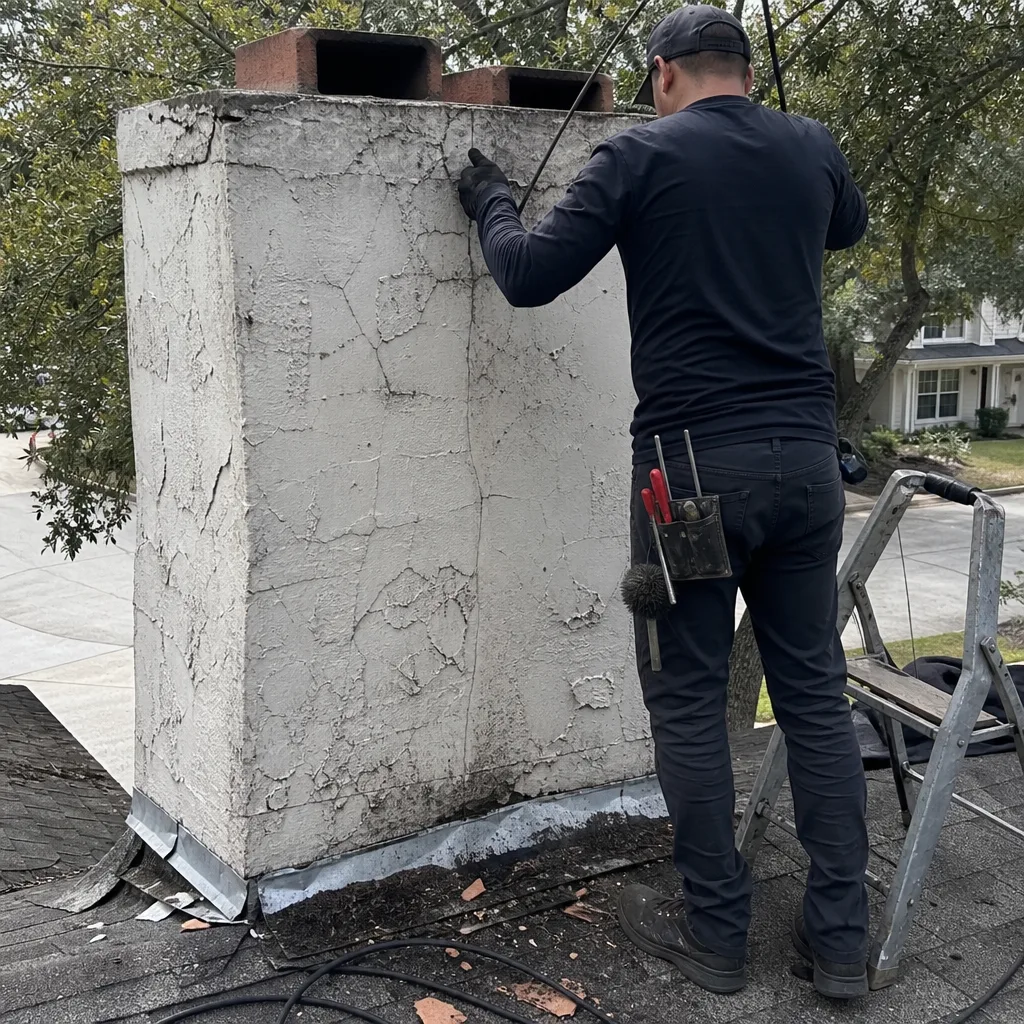 Before
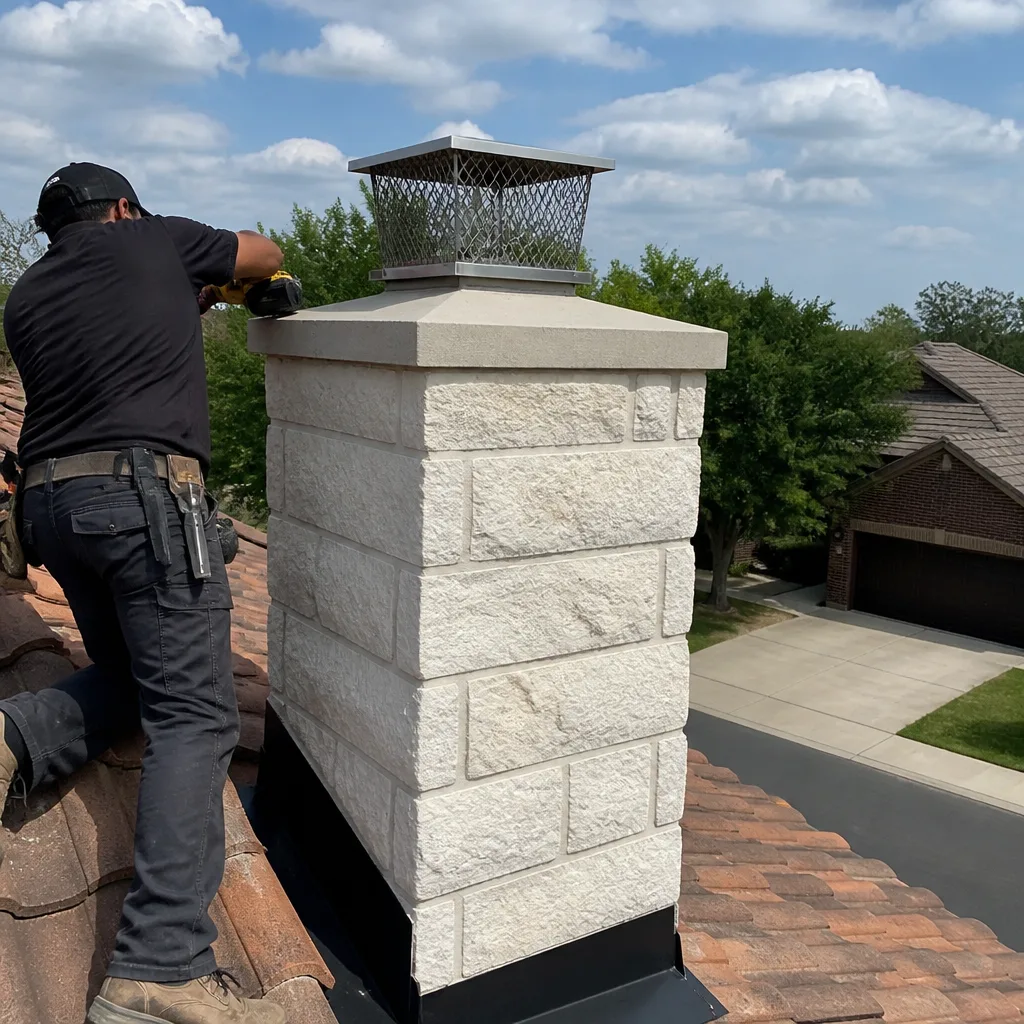 After
After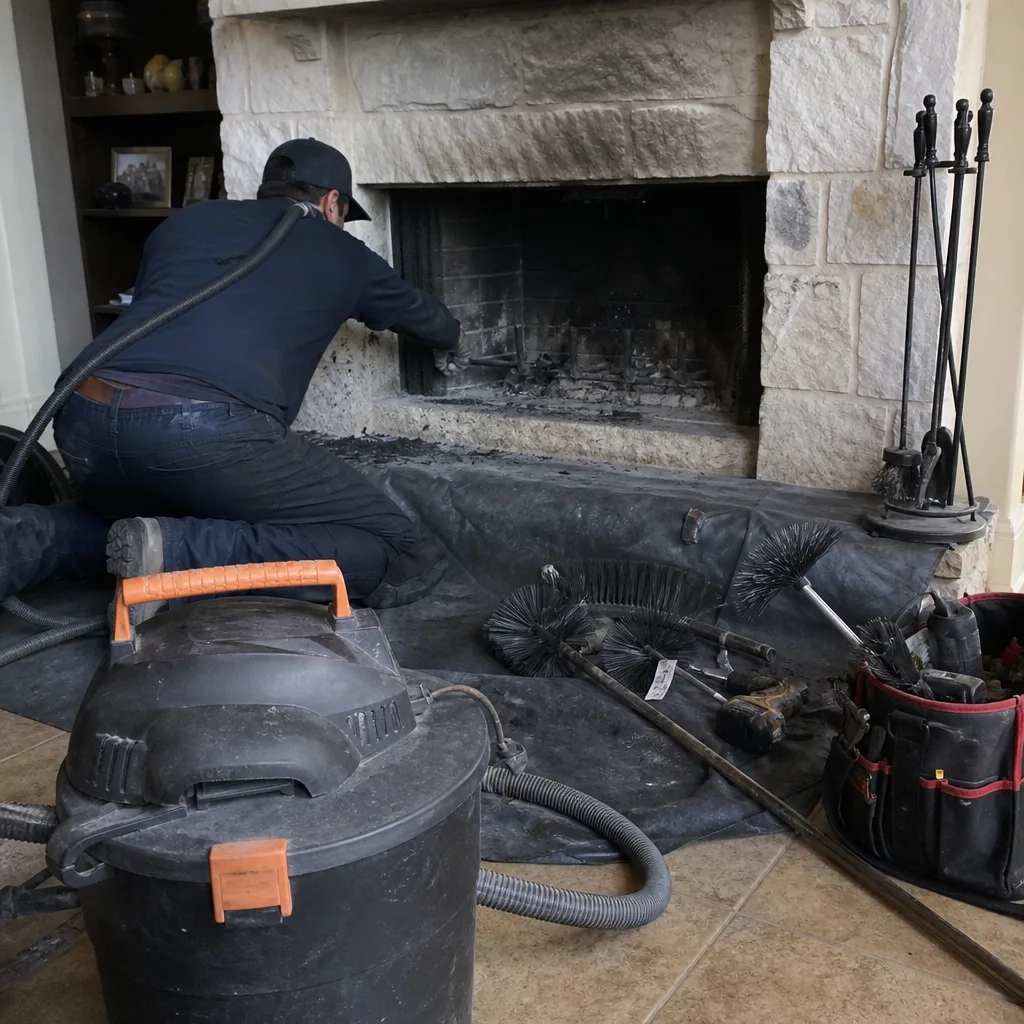 Before
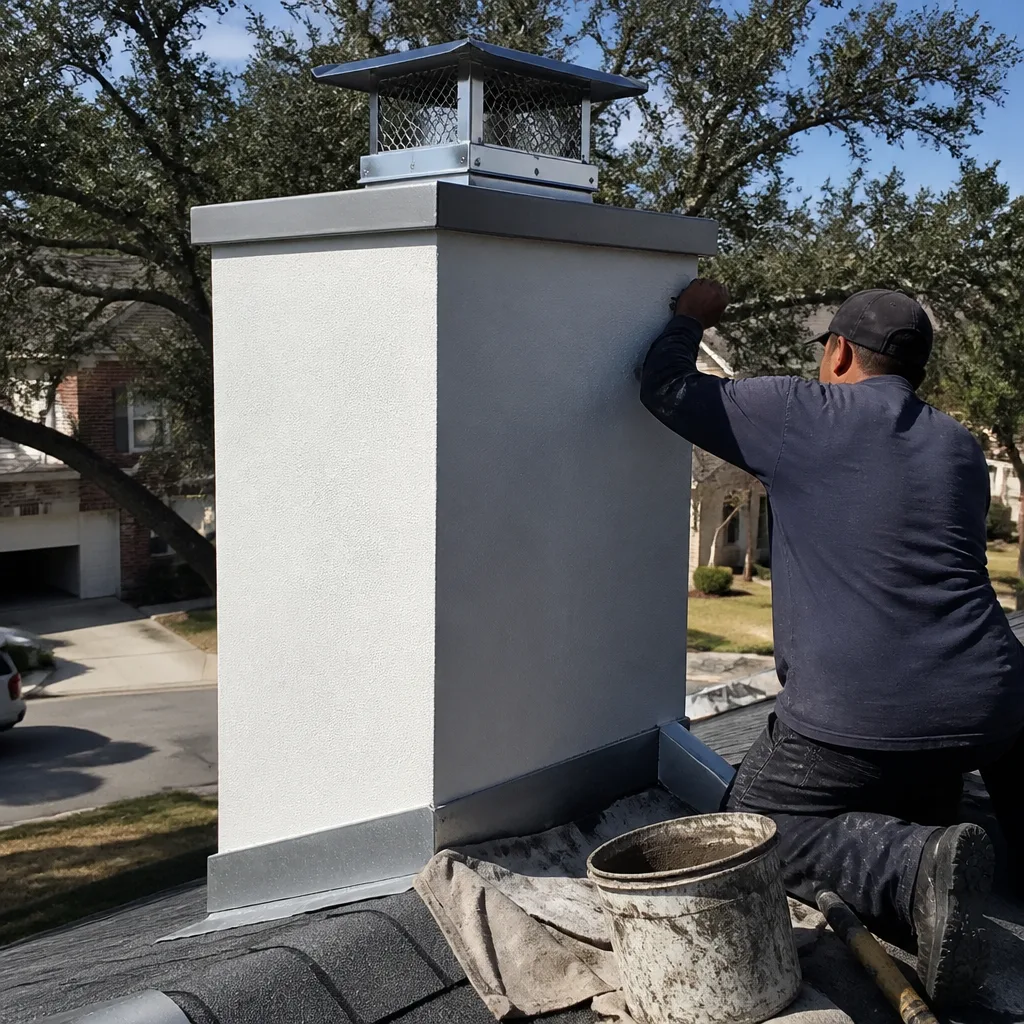 After
AfterHeatShield Products We Service & Install in San Antonio
We service all three HeatShield product lines. The HeatShield Cerfier system is the sprayed ceramic resurfacing product used to restore deteriorated flue tile or masonry surfaces without a full liner replacement. The HeatShield Joint Repair System seals the seams between flue tile sections, typically used when tiles are still structurally sound but joints are leaking. The HeatShield Smoke Chamber Repair System restores the corbeled area above the firebox, which is a common spot for deterioration in San Antonio homes with original masonry fireboxes. We stock genuine HeatShield materials locally for faster turnaround on common repairs. Older central San Antonio neighborhoods like Monte Vista and King William, with their original clay tile liners and masonry chimneys, are where we see the most HeatShield work, but we serve the entire San Antonio area including the post-war suburbs with prefab fireplaces.
We Also Service These Brands
HeatShield is a big part of our work, but it’s not the only system we handle. We also install and service DuraFlex liner systems and Gelco products, along with other professional-grade materials. If your chimney has a different liner or resurfacing system, or you’re not sure what’s in there, we can help. Call us for an inspection and we’ll tell you exactly what you have and what it needs.
FAQs – HeatShield Chimney Cleaning Service in San Antonio
Can HeatShield cerfier be applied over a chimney that has heavy glazed creosote buildup?
No. HeatShield cerfier will not bond to glazed creosote, and applying it over that surface will result in peeling and flaking within a year or two. The chimney must be mechanically cleaned to bare flue tile or masonry first. We do that as part of our preparation on every HeatShield job. Skipping this step is the single most common reason we see failed HeatShield installations in San Antonio, and it’s why our Chimney Sweep services include full mechanical cleaning before any cerfier application.
How long does a HeatShield Cerfier resurfacing typically last in San Antonio’s climate?
With proper prep work and a dry flue, a HeatShield Cerfier resurfacing can last 15 to 20 years in San Antonio. The variables that shorten that lifespan are moisture intrusion from a failed crown or flashing, repeated freeze-thaw cycling that stresses the ceramic, and chimney swift nesting that holds moisture against the surface. We recommend an annual inspection to catch small crown cracks before they let water reach the cerfier. Call (903) 515-5079 and we’ll take a look.
What is the difference between HeatShield’s Joint Repair System and the full Cerfier resurfacing?
The Joint Repair System seals the seams between flue tile sections. It’s a targeted repair for chimneys where the tiles are still structurally sound but the joints are leaking smoke or gases. The full Cerfier resurfacing is a sprayed ceramic coating applied to the entire flue interior when the tile surface itself is deteriorated, cracked, or spalling. JRS is the cheaper, more localized option. Cerfier is the comprehensive resurfacing. We’ll recommend the one that matches the actual condition of your flue, and we’ll show you the camera footage to justify it.
Do I need a Level 2 inspection before a HeatShield repair in San Antonio?
Not always, but it’s the right call more often than not. A Level 1 inspection covers a basic visual check when nothing has changed. A Level 2 inspection includes camera work through the flue and is recommended whenever there’s a change in use, a property transfer, a suspected problem, or a previous chimney fire. If you already have a HeatShield surface showing signs of wear, a Level 2 inspection gives us the full picture of what’s happening inside the flue before we quote any repair. It’s the difference between fixing the symptom and fixing the cause.
Can HeatShield be used to repair a chimney that has had a previous chimney fire?
Yes, in many cases. A chimney fire damages the flue tile or masonry surface, not just the creosote. HeatShield Cerfier can resurface fire-damaged flue tile, restoring a smooth, sealed surface without a full liner replacement. But this is conditional. The chimney structure itself must be sound, and the fire damage must be evaluated with a Level 2 camera inspection first. If the masonry is cracked through or the tile is collapsed, a Cerfier resurfacing won’t solve the structural problem. We’ll tell you what’s actually needed, not what’s convenient to sell.
How much does HeatShield chimney cleaning cost in San Antonio?
A standard HeatShield chimney cleaning and inspection in San Antonio typically runs between $200 and $350, depending on the flue condition and the level of creosote buildup. If the inspection finds a HeatShield surface issue, a Joint Repair System spot fix usually runs $400 to $800 depending on the number of joints needing work. A full Cerfier resurfacing for a typical single-flue masonry chimney in San Antonio usually runs $3,500 to $6,000, depending on flue height, access, and prep work needed. Every quote is a written price before any work begins. Call (903) 515-5079 for a free estimate, and we’ll tell you exactly what your HeatShield system needs.
Book Your HeatShield Service in San Antonio, TX
If your HeatShield surface is showing signs of wear, or you just want a professional cleaning and inspection before burning season, call Alcott Chimney San Antonio at (903) 515-5079. We’ll schedule a visit, send you the technician’s name and photo before we arrive, and give you a written price before any work starts. No surprises, no vague warnings, just a straight answer about what your chimney needs.
Written by Ruben Castellano, Owner at Alcott Chimney San Antonio, serving San Antonio since 2002.