
 Sweep & inspection
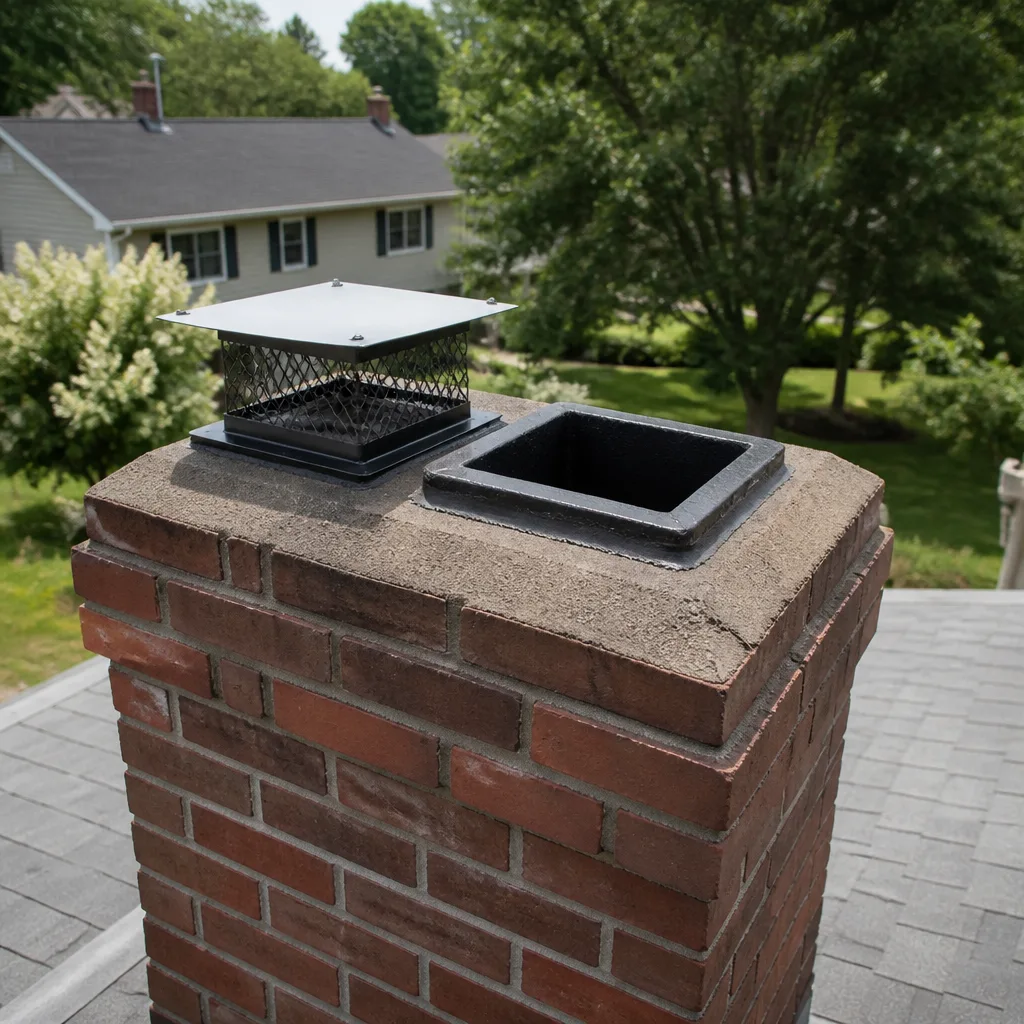
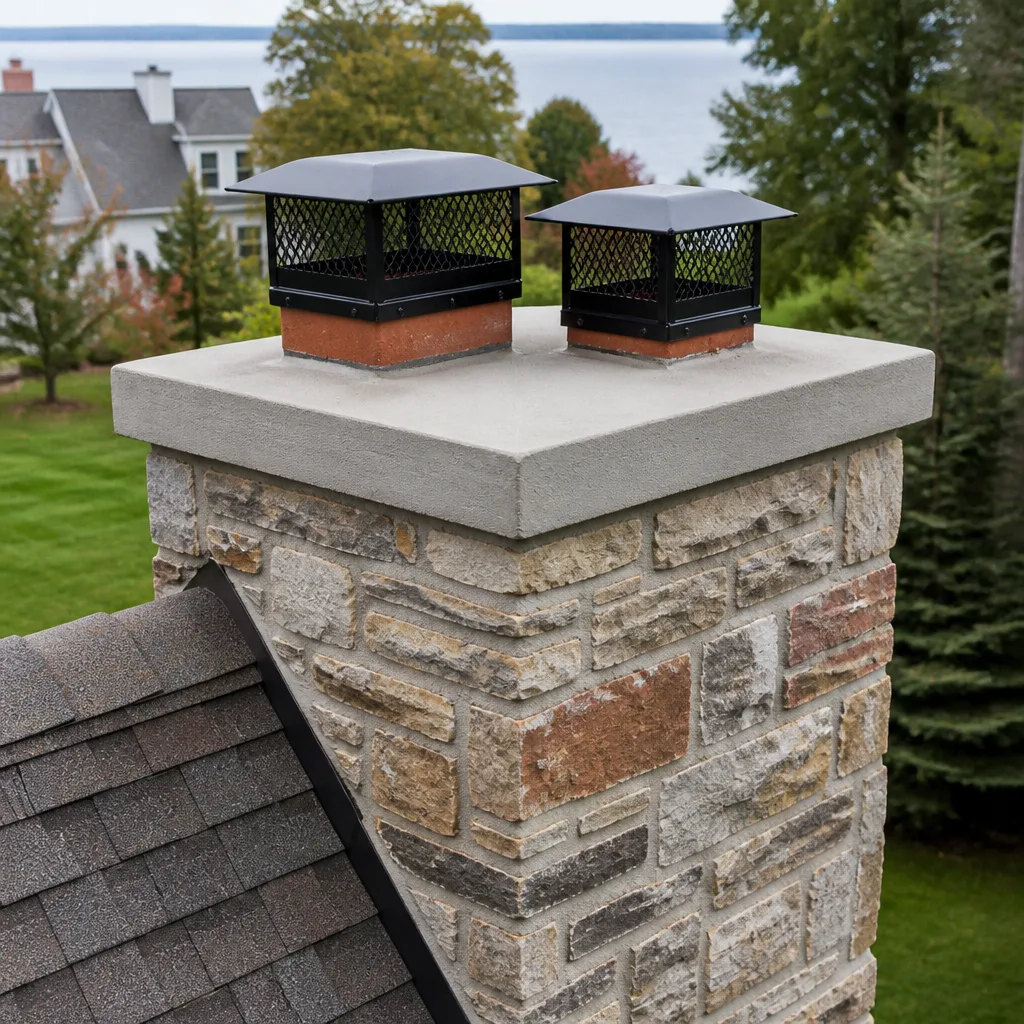 Caps & crowns
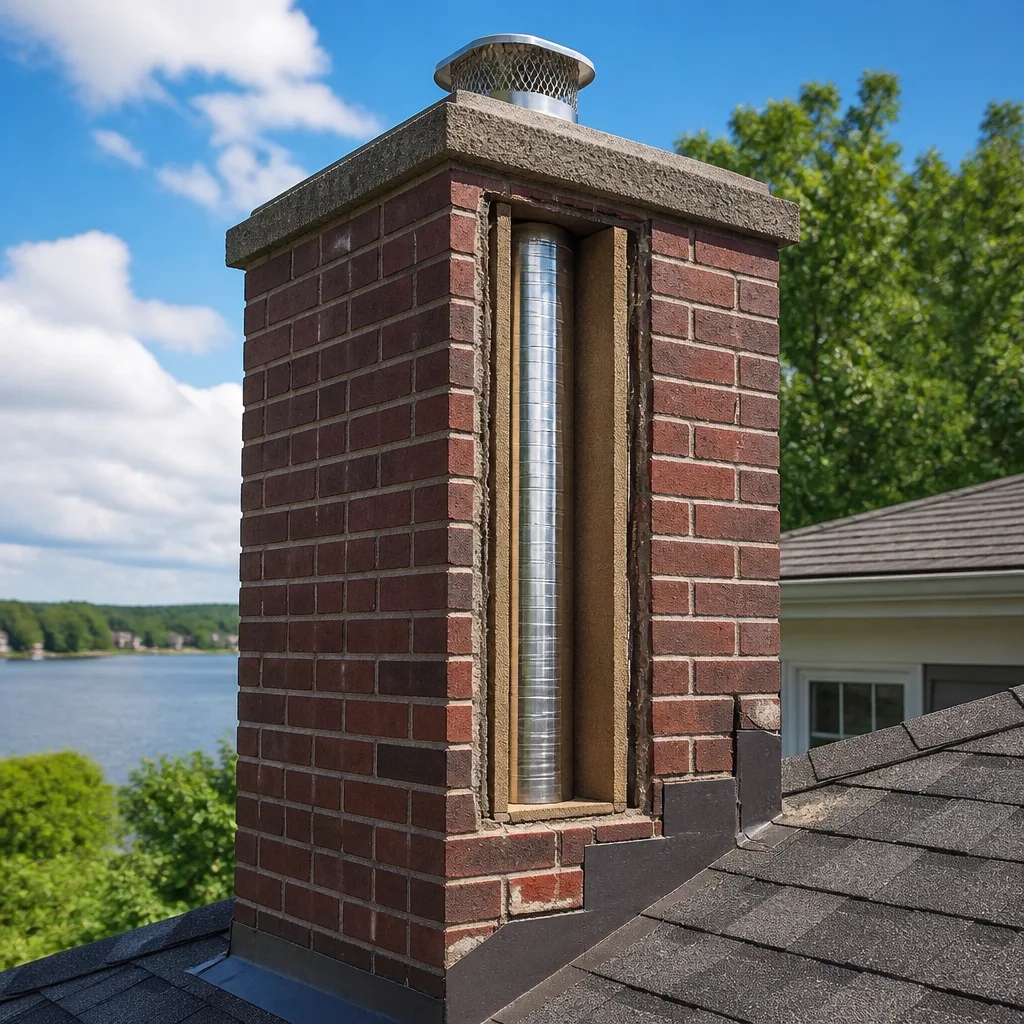 Flue relining
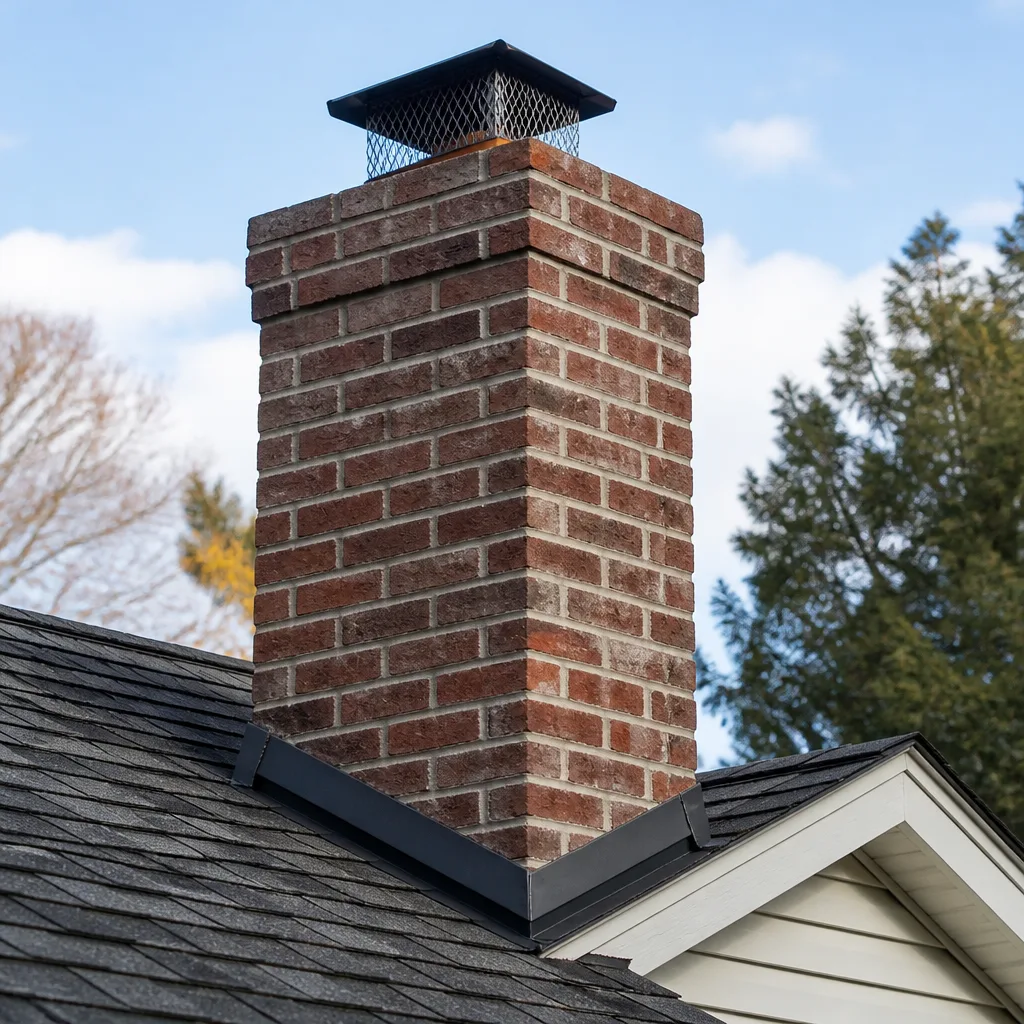 Masonry repair
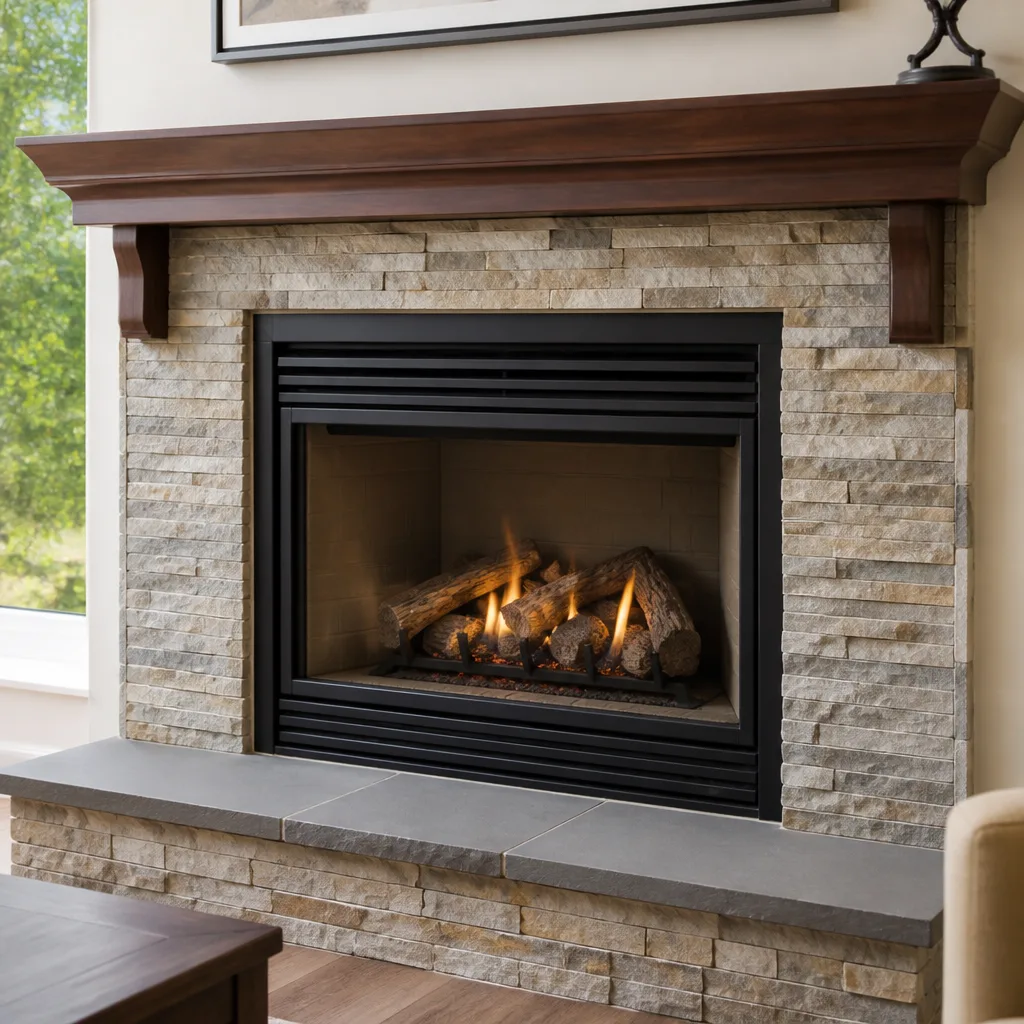 Gas fireplace service
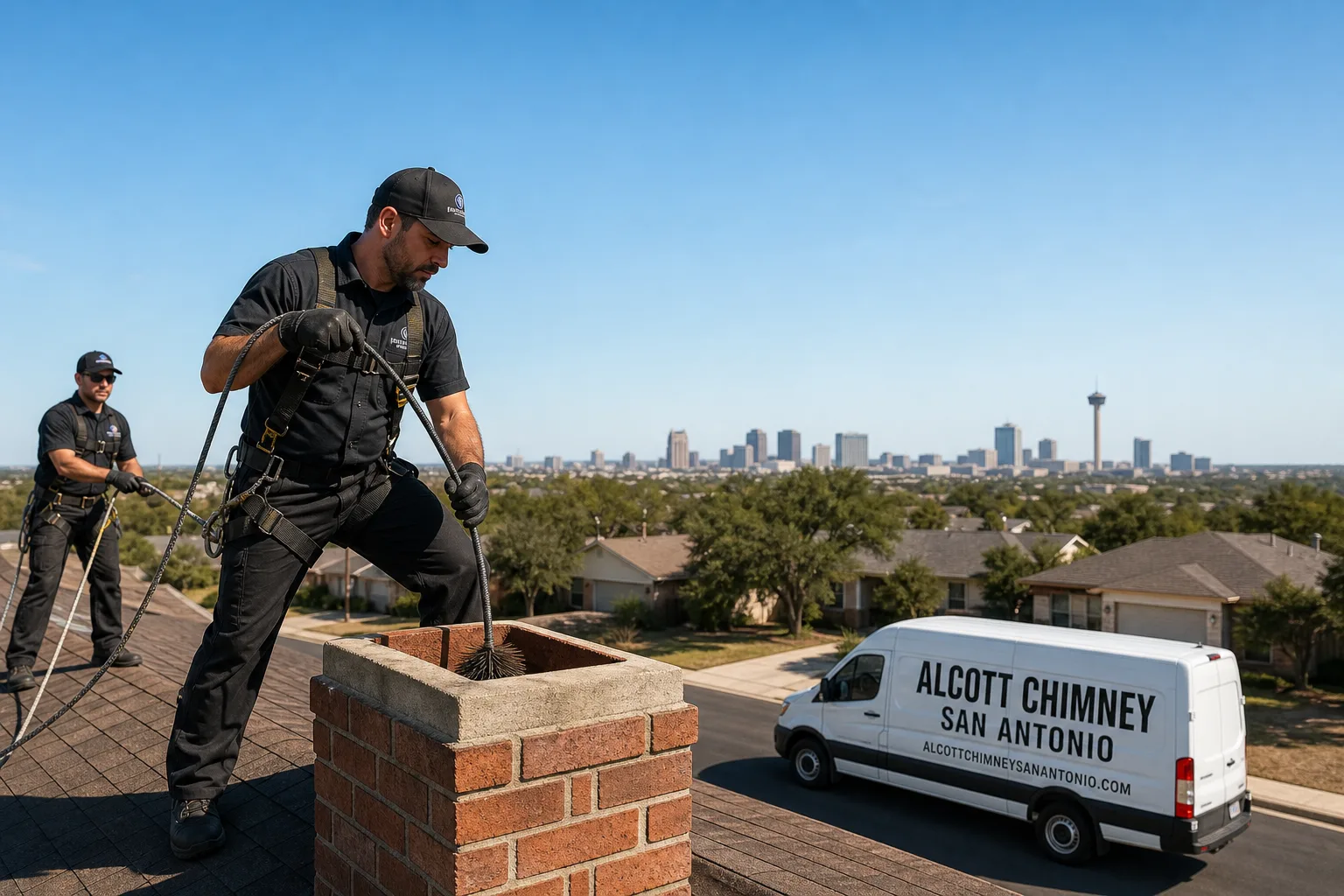
Level 1 sweep and inspection to the NFPA 211 annual standard - flue, crown, cap, and flashing checked and photographed
Chimney sweep logs do not sweep chimneys. They loosen some creosote - which then falls where a brush and vacuum still have to collect it.
Fast, Reliable Chimney Inspection Across Boerne
Chimney inspection in Boerne typically costs $189 – $389 depending on the level of inspection and whether camera work is involved. A standard Level 1 visual inspection runs $189 – $249, while a Level 2 camera inspection, which most Boerne homes with older flues genuinely need, runs $289 – $389. We serve the entire Boerne area including the historic downtown district, the custom estates off Ranger Creek Road, and the newer subdivisions along Highway 46. If you’re unsure what your chimney actually needs, call (903) 515-5079 and we’ll walk you through it before we ever schedule a visit.
Why Alcott Chimney San Antonio Is Boerne’s Preferred Chimney Inspection Company
Our Chimney Inspection team has spent years working on Boerne’s particular mix of housing stock – 1800s limestone homes along Main Street, sprawling Hill Country custom builds on acreage, and modern stone-and-stucco developments where fireplaces were installed for aesthetics more than heat. That range means we see everything from unlined 19th-century flues to brand-new masonry systems with gas inserts. Each inspection gets the same treatment: a written price before any work begins, camera documentation of whatever we find, and a technician whose name and photo you receive before we arrive.
Ruben Castellano leads our inspection work across the Boerne area. He’s built the company around a simple idea – you should never open your door to a stranger, and you should never be told your chimney needs work you haven’t seen with your own eyes. Every technician who serves Boerne passes a background check and identity verification before ever stepping onto a customer’s property. That’s the Threshold Standard, and it’s not an optional upgrade. When you book an inspection, you’ll know exactly who’s coming, what they’ll check, and what the visit costs.
Boerne homeowners often tell us the same thing: they’ve put off an inspection because they don’t want to be sold a liner replacement they can’t verify. We answer that directly. Nothing gets recommended without camera evidence you can see. If the flue is sound, we say so and you pay only for the inspection. That’s why our 365-Day Done Right Promise matters – every repair carries a written guarantee, and if a repair fails within the coverage period, the second visit is free.
Styles & brands we work with
Chimney Camera Inspection in Boerne
Chimney camera inspection in Boerne is the difference between guessing and knowing. We run a high-resolution camera up the flue and document everything in real time – cracks in clay liners, gaps between flue tiles, creosote buildup, animal nests, spalling mortar, and hidden blockages. You see the footage yourself, on the spot, with a photo report you keep. A chimney camera inspection in Boerne typically runs $289 – $389 as part of a Level 2 inspection, which we recommend for any home with a fireplace that hasn’t been checked in three or more years, any pre-2000 flue, and any property changing hands.
In Boerne specifically, camera inspection catches what a visual check from the firebox cannot. The older limestone homes along Main Street often have flues with offset angles and rough interior surfaces where a ringtail cat or squirrel bed can block the draft entirely. A camera shows exactly where the blockage sits and whether the clay liner behind it has cracked from water intrusion during spring thunderstorms.
Multi-Flue Estates Need Real Documentation
Custom Hill Country homes off Ranger Creek Road and along Scenic Loop often have two or three flues – a masonry fireplace, a wood stove, a gas insert. Each flue gets its own camera pass. We’ve seen too many cases where the primary fireplace drafts fine while a second, rarely used flue hides a squirrel nest or a cracked liner. On a recent inspection off Ranger Creek Road, we found first-degree creosote in one flue, spalling on the exterior chimney crown, and a missing cap on a second flue that let a squirrel nest block the draft. All three issues were documented with camera footage before we recommended any repair.
When a Brush-Only Cleaning Isn’t Enough
A brush-only chimney sweep removes surface creosote but cannot see the smoke chamber or the upper flue. In Boerne, where homeowners burn oak from their own property, unseasoned wood creates a creosote glaze that cooks into the flue walls. First-degree creosote is flaky and brushable. Third-degree creosote is a hardened, tar-like glaze – the kind that fuels chimney fires. Boerne’s Hill Country climate makes this worse because fireplaces are used sporadically during mild winters, letting creosote cool and harden between fires. Camera inspection is the only way to know which degree you’re dealing with. Third-degree glaze cannot be brushed out; it typically requires mechanical removal or a HeatShield resurfacing, both of which a camera inspection confirms before we quote a price.
Fireplace Inspection in Boerne
Fireplace inspection in Boerne covers the firebox, damper, smoke chamber, and the visible portion of the flue – everything that affects how your fire burns and whether smoke stays out of your living room. A fireplace inspection in Boerne runs $189 – $249 as a standalone Level 1 visual check, and we recommend it annually for any fireplace used more than a handful of times per season. If we spot something questionable during the visual check, we’ll recommend a camera pass before you spend a dollar on repairs.
Boerne’s mix of historic limestone hearths and modern gas inserts means two very different inspection priorities. An 1800s fireplace off Main Street needs close attention to the smoke chamber – old mortar deteriorates there, creating pockets where creosote and heat accumulate. A newer gas insert needs a different check: venting, gasket condition, and whether the chimney behind the insert is actually sound enough to support it.
Masonry Fireplaces in Older Limestone Homes
Limestone is porous. When spring thunderstorms push water into an uncapped chimney, the mortar joints and clay flue liners absorb moisture, then expand and contract through freeze-thaw cycles. By the first cold snap of winter, that water damage has often already cracked a flue tile. We check the smoke chamber, the damper seat, and the visible flue from both the roof and the firebox. If we see spalling or water staining, we’ll tell you plainly whether it’s a repair-now issue or something that can safely wait a season.
Gas Inserts and Conversions in Custom Builds
A gas insert doesn’t burn wood, so creosote isn’t the issue. The issue is the chimney behind it. Many Boerne custom homes were built with masonry fireplaces and later converted to gas. The original clay liner may be deteriorating out of sight, and the insert’s venting may be drawing correctly only by accident. We inspect gas inserts in Boerne custom homes with the same annual schedule we recommend for wood-burning fireplaces. The inspection checks venting, gasket wear, and the condition of the existing flue – because a gas appliance exhausting into a cracked liner isn’t something you want to discover by smell.
Trusted Brands We Service in Boerne
When a Boerne inspection turns up a liner, cap, or component that needs replacing, we source the same brands professionals specify – not whatever the box store has on the shelf. We install and service DuraFlex liner systems, HeatShield resurfacing, and caps and dampers from Olympia Chimney, Famco, and Copperfield. For Boerne customers, that matters because Hill Country humidity and limestone-specific water intrusion demand materials that hold up to freeze-thaw cycles and animal pressure. We keep common replacement parts staged for Boerne service calls so a follow-up repair doesn’t mean waiting on a shipping delay.
See the difference
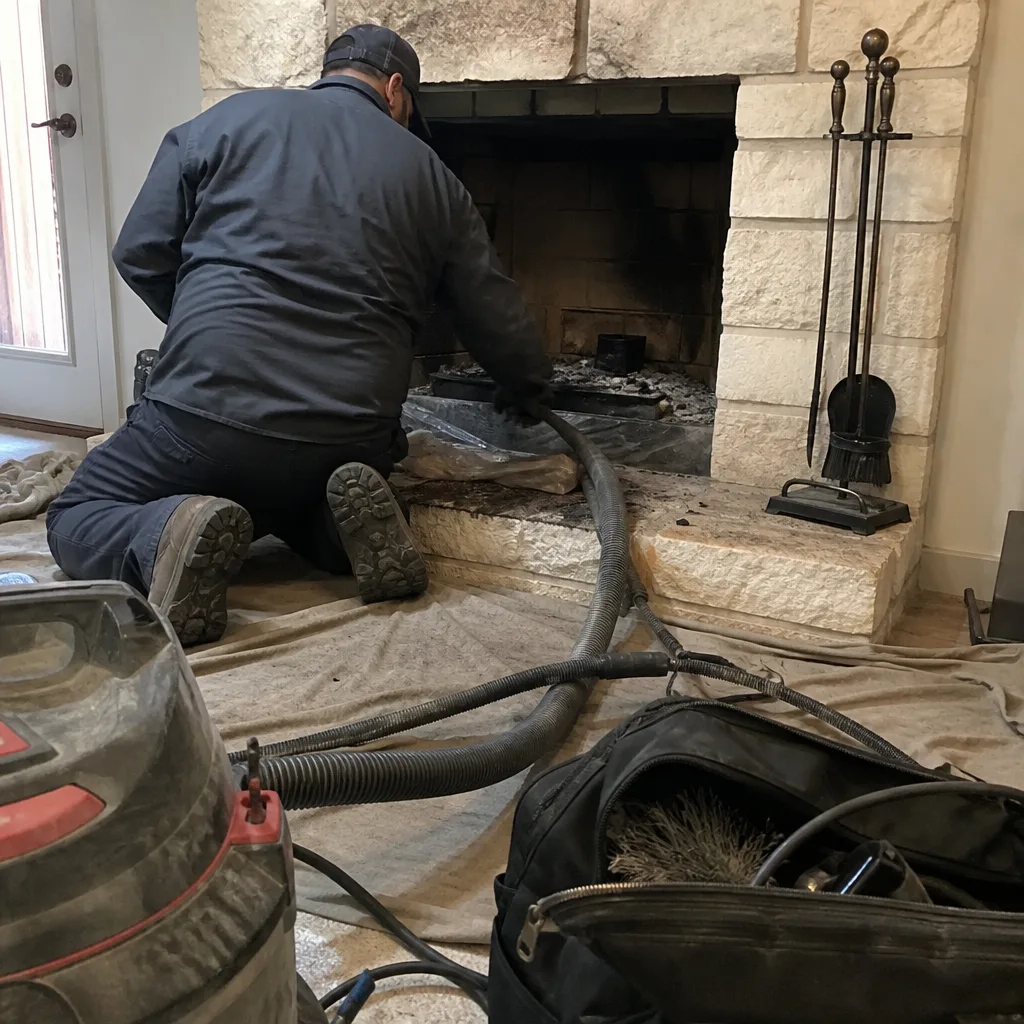 Before
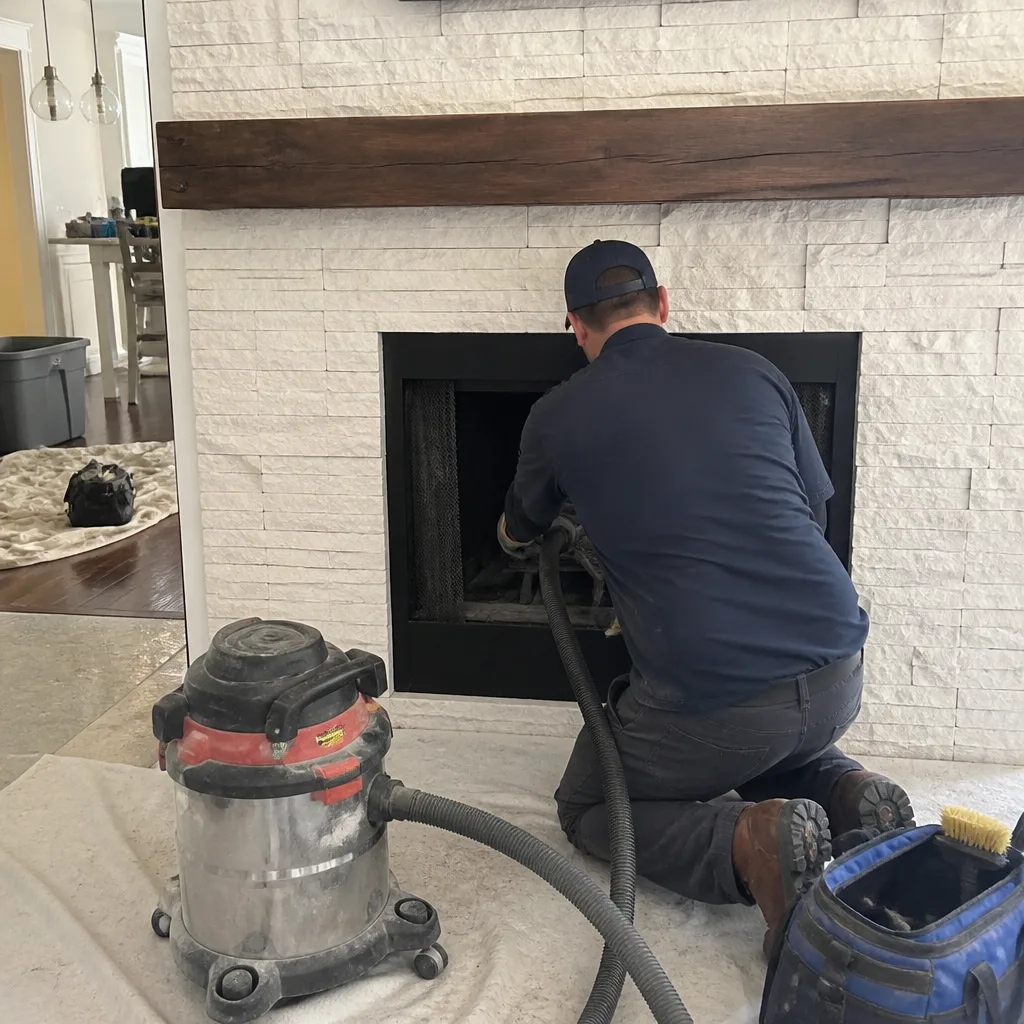 After
After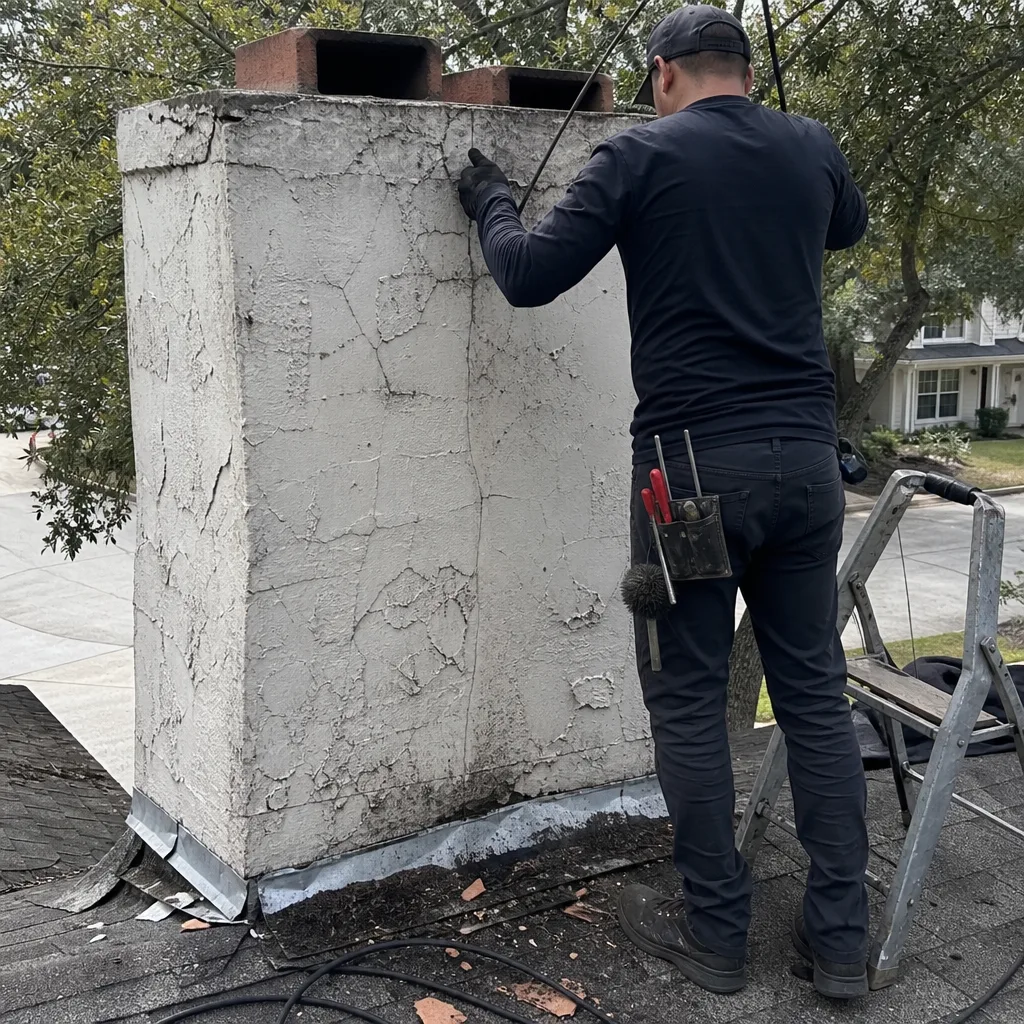 Before
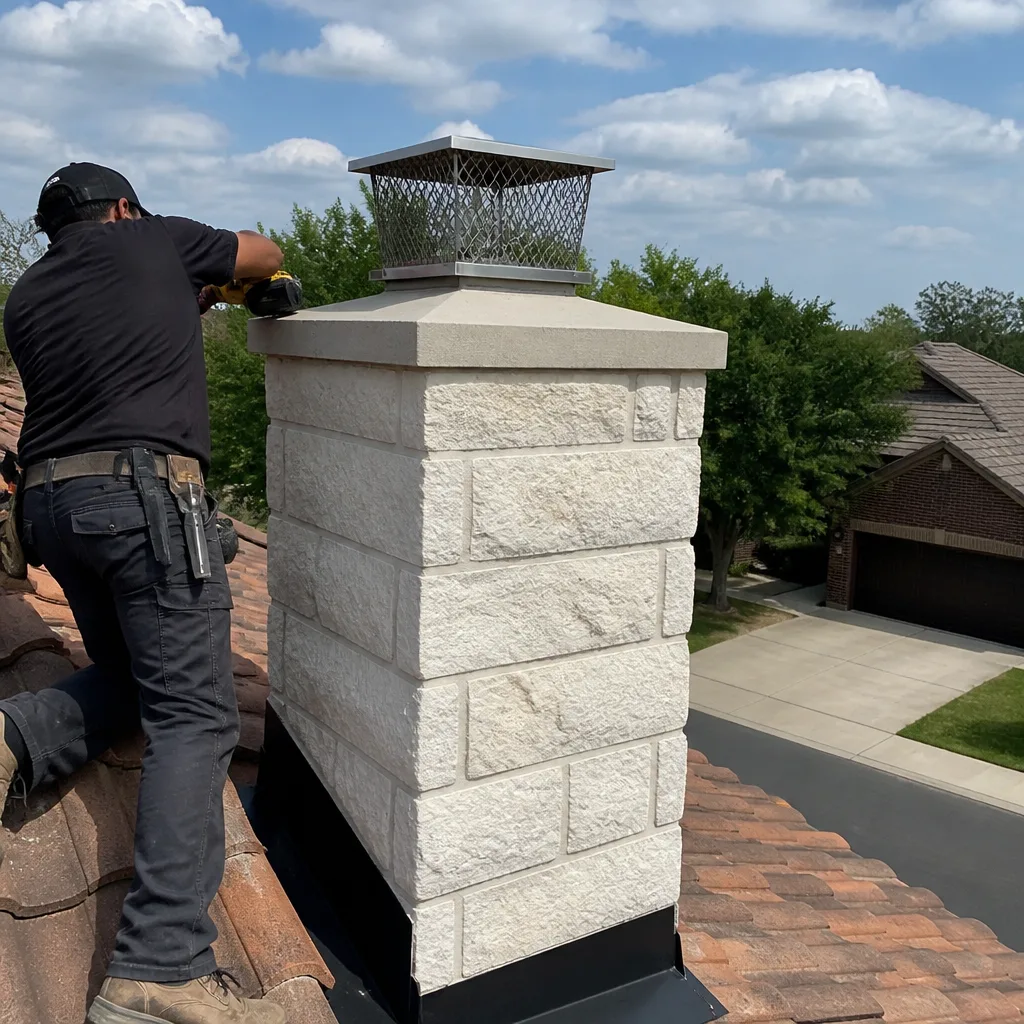 After
After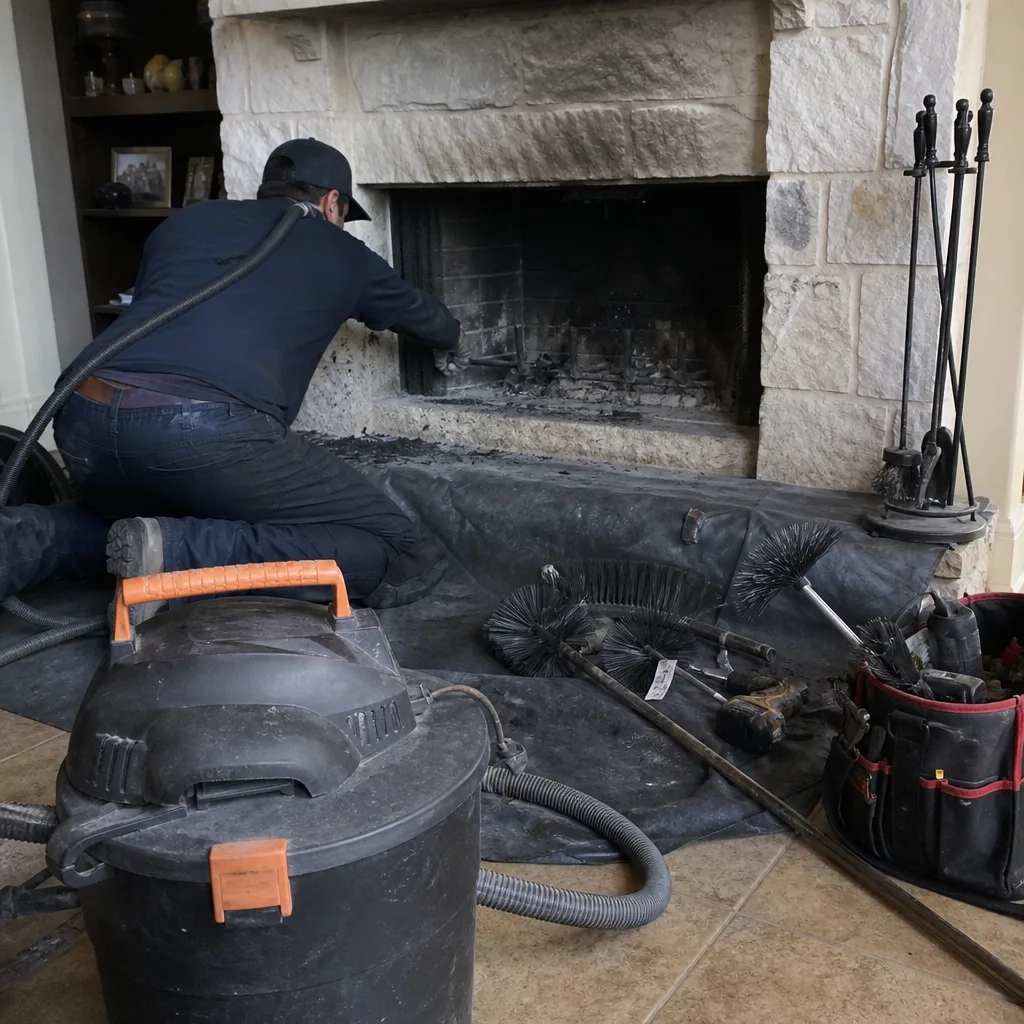 Before
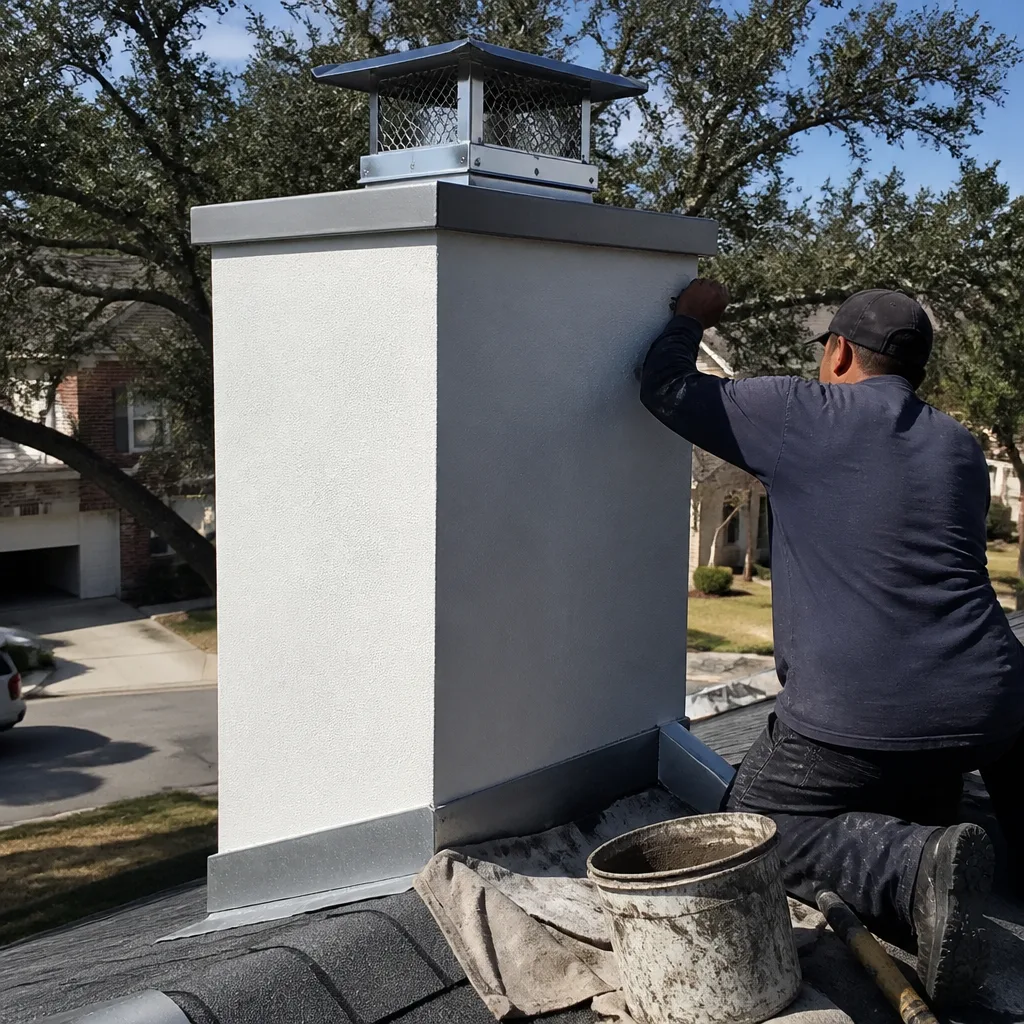 After
AfterCommon Chimney Inspection Problems We See in Boerne Homes
- Uncapped flues on historic limestone homes. Ringtail cats and squirrels den in uncapped chimneys along Main Street and the older side streets. We start every inspection of an older Boerne home by checking for animal activity, because a nest blocks the draft and creates a fire hazard that has nothing to do with how often you burn.
- Third-degree creosote from unseasoned Hill Country oak. Boerne homeowners with acreage often cut their own oak and burn it before it’s properly dried. That creates a rapid creosote glaze that hardens into tar inside the flue. A brush-only sweep leaves it behind; camera inspection shows exactly how much remains.
- Spalling crowns and water-damaged clay liners. Boerne’s spring thunderstorms drive water into chimneys without proper caps or crowns. The older clay liners in 1800s limestone homes absorb that moisture, then crack during winter freezes. We see this most often on homes where the fireplace is used only a few times a year – the damage happens silently between seasons.
- Hidden flues on multi-fireplace estates. Custom Hill Country homes off roads like Ranger Creek and Scenic Loop often have a second or third flue the homeowner rarely uses. That flue goes uninspected for years while the primary fireplace gets all the attention. We inspect every flue on the property, not just the one you use most.
Pricing for Chimney Inspection in Boerne, TX
A Level 1 visual inspection in Boerne runs $189 – $249. That covers the firebox, damper, smoke chamber, and visible flue from both the roof and the firebox. A Level 2 camera inspection runs $289 – $389 and includes full video documentation, a photo report, and an assessment of every flue on the property. A Level 3 inspection, required when we suspect hidden structural damage, starts at $500 and involves partial demolition of the chimney structure to access concealed areas. Most Boerne homes with multiple fireplaces, older limestone flues, or gas conversions need the Level 2 camera pass. If you’re not sure which level applies, call (903) 515-5079 and we’ll tell you honestly what your chimney needs before we schedule. Estimates are free.
We Also Serve Cities Near Boerne
Our inspection crews cover Boerne and the surrounding Hill Country, including San Antonio, Schertz, Converse, and Cibolo. If you’re outside the Boerne city limits but within the broader Kendall County area, we can likely reach you on the same schedule. All service for this region is coordinated through our San Antonio office, and we serve Boerne locally with technicians who know the housing stock and the terrain. Call (903) 515-5079 to confirm coverage.
Serving Boerne, TX - Our Local Coverage Area
We’re based in the Boerne area and know this community well. Use the map below to see our service coverage - if you’re nearby, we can almost certainly help.
FAQs About Chimney Inspection in Boerne
Annually, for every flue on the property. A home with two wood-burning fireplaces and a gas insert has three separate flue systems, and each needs its own inspection. The wood-burning flues need a camera pass if they’ve gone more than two years unchecked – Boerne’s sporadic fireplace use lets creosote harden between fires, and animal intrusions happen even when you’re not burning. The gas insert needs an annual venting and gasket check, and the chimney behind it needs to be evaluated for liner condition. Pencil in one inspection visit per year, not one per fireplace. Call (903) 515-5079 to book a multi-flue inspection for your Boerne home.
Yes, and here’s the honest reason: the fireplace isn’t the risk – the uncapped flue and the limestone mortar are. Twice-a-year fires don’t create much creosote, but Boerne’s spring thunderstorms drive water into an uncapped chimney regardless of how often you burn. That water erodes old clay flue liners and mortar joints over months. A ringtail cat or squirrel may also move in during the off-season. A camera inspection shows whether any of this has already happened before the first freeze of winter. For an older limestone home off Main Street, we recommend a Level 2 camera inspection every two years even with light use, and a visual check annually. Call (903) 515-5079 for a straight answer on your chimney.
First-degree creosote is dry, flaky, and brushable – it’s what you get from moderately seasoned wood burned with decent airflow. Third-degree creosote is a dense, tar-like glaze that forms when freshly cut Hill Country oak smolders at low temperatures, especially during Boerne’s mild winters when fires burn low and slow. The glaze hardens inside the flue and becomes a serious chimney fire fuel. First-degree creosote can be removed with a standard sweep. Third-degree creosote typically requires mechanical removal – chemical treatments alone won’t do it – and may require a HeatShield resurfacing if the glaze has damaged the clay liner beneath it. Camera inspection is the only way to tell which degree you’re dealing with. Call (903) 515-5079 for a camera inspection that shows you exactly what’s inside your flue.
Ringtail cats and squirrels target Boerne’s historic limestone chimneys because the older homes along Main Street were built without caps, and the flue opening on a rooftop is a warm, protected den. A ringtail cat will nest in a flue and block the draft entirely; a squirrel will pack a flue with nesting material that becomes kindling. Inspection is how we find them – a visual check from the roof and a camera pass through the flue confirms whether animals are present and whether they’ve damaged the liner or packed the smoke chamber with debris. We document what we find, then recommend animal exclusion as a first step before any creosote removal or liner assessment. You’ll see the footage yourself before any work is quoted. Call (903) 515-5079 to schedule an inspection for your Boerne chimney.
Yes. A gas insert doesn’t produce creosote, but it vents through a chimney that may be a decades-old masonry flue originally built for wood. In Boerne custom homes, gas conversions often leave the original clay liner in place behind the insert. That liner can crack from water intrusion and freeze-thaw cycles without any visible sign from the living room. An annual inspection checks the insert’s venting, gasket condition, and the flue behind it. If the liner is failing, the fix may be a DuraFlex liner or a HeatShield resurfacing – both of which we quote only after a camera inspection shows the problem plainly. Treat the gas insert like you would a wood fireplace: once a year, every year. Call (903) 515-5079 to book a gas insert inspection in Boerne.
Written by Ruben Castellano, Owner at Alcott Chimney San Antonio, serving Boerne since the company’s founding in 2002.