
Last updated October 15, 2026
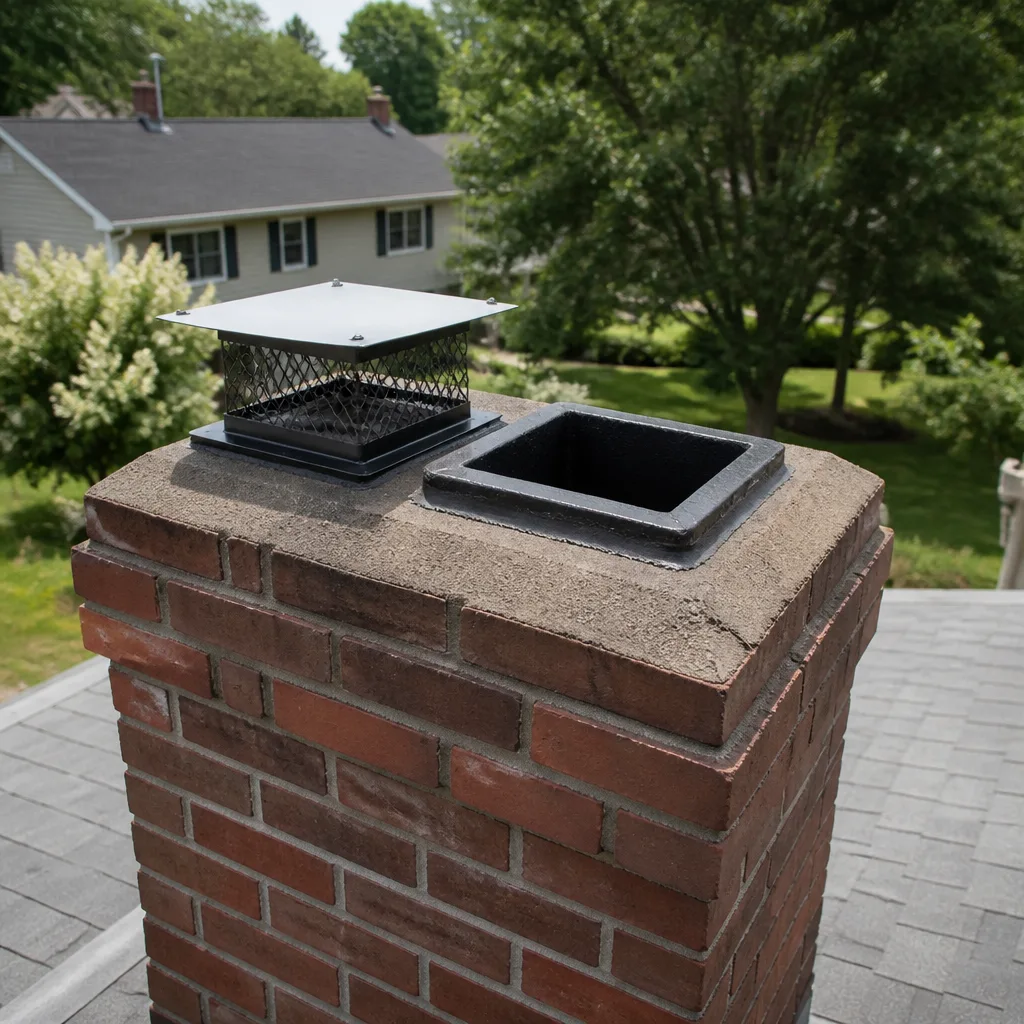 Sweep & inspection
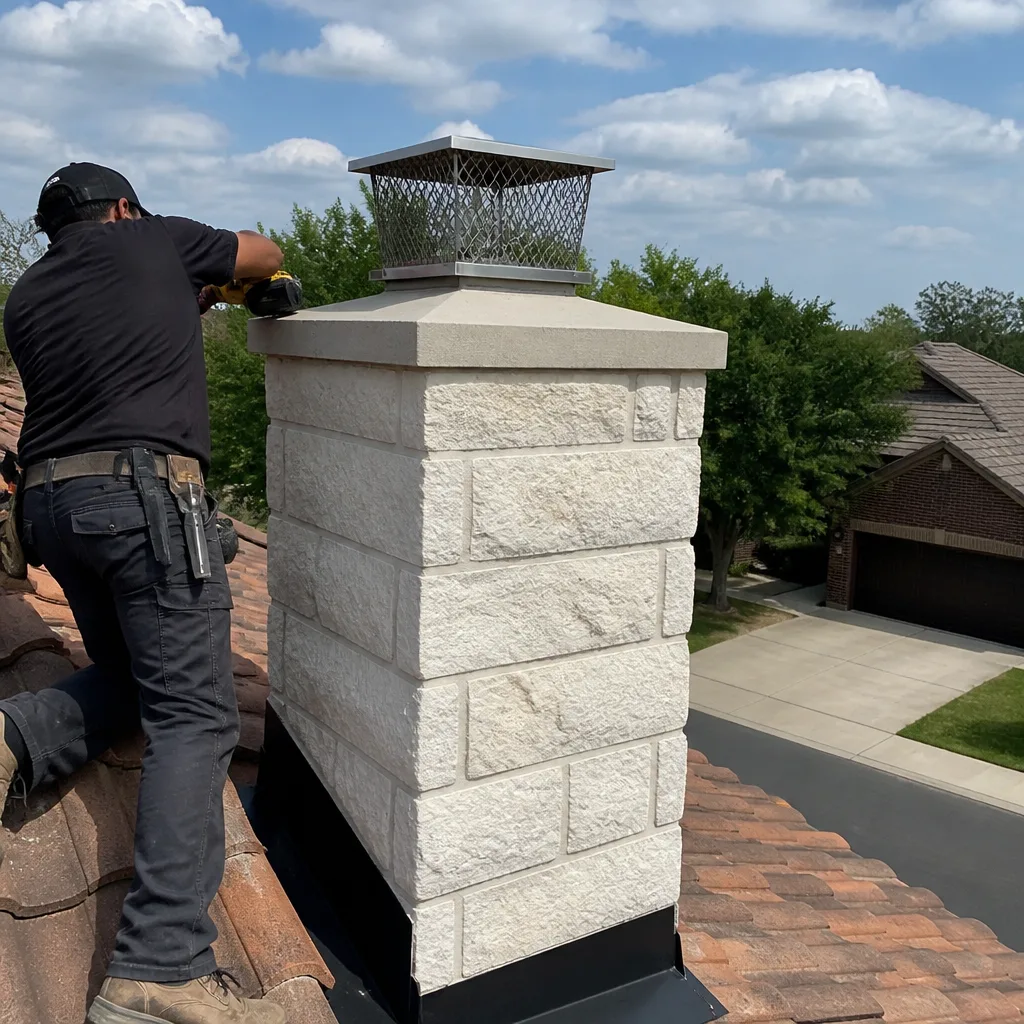
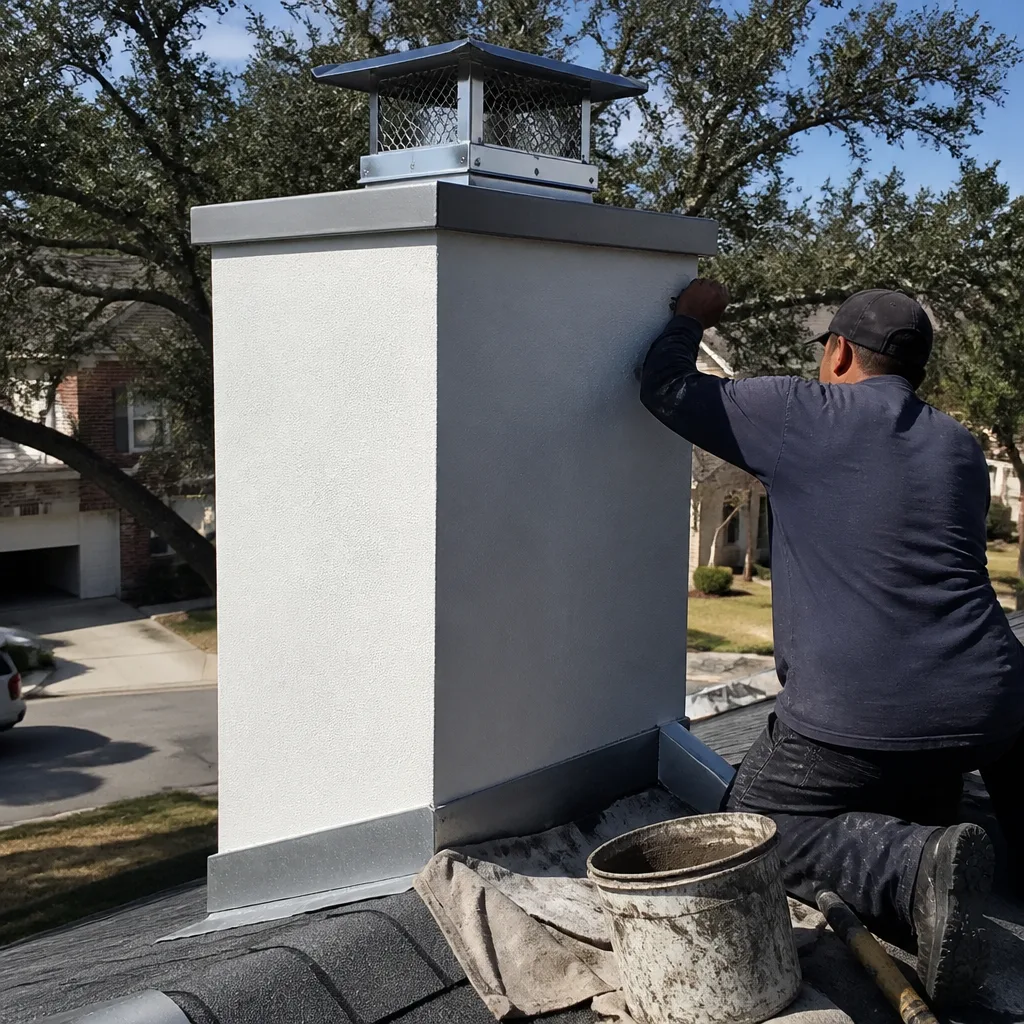
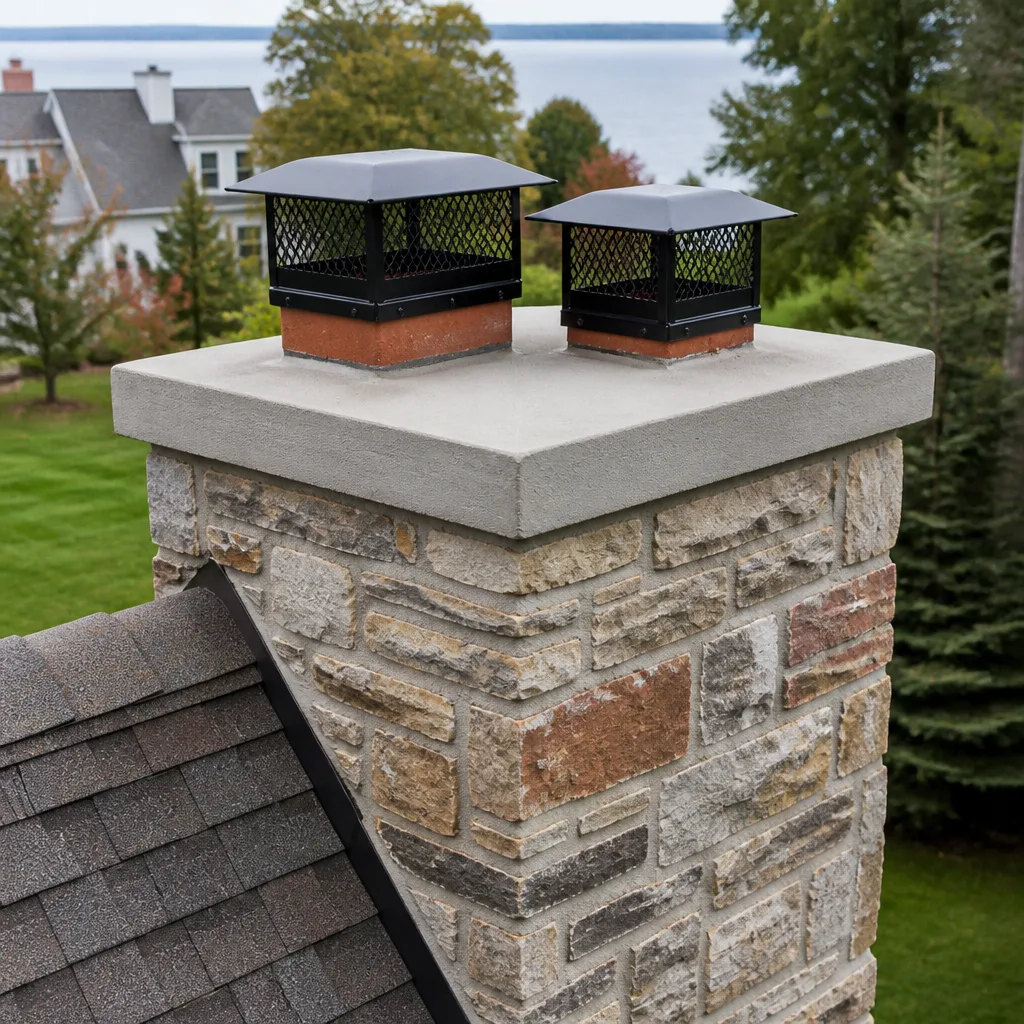 Caps & crowns
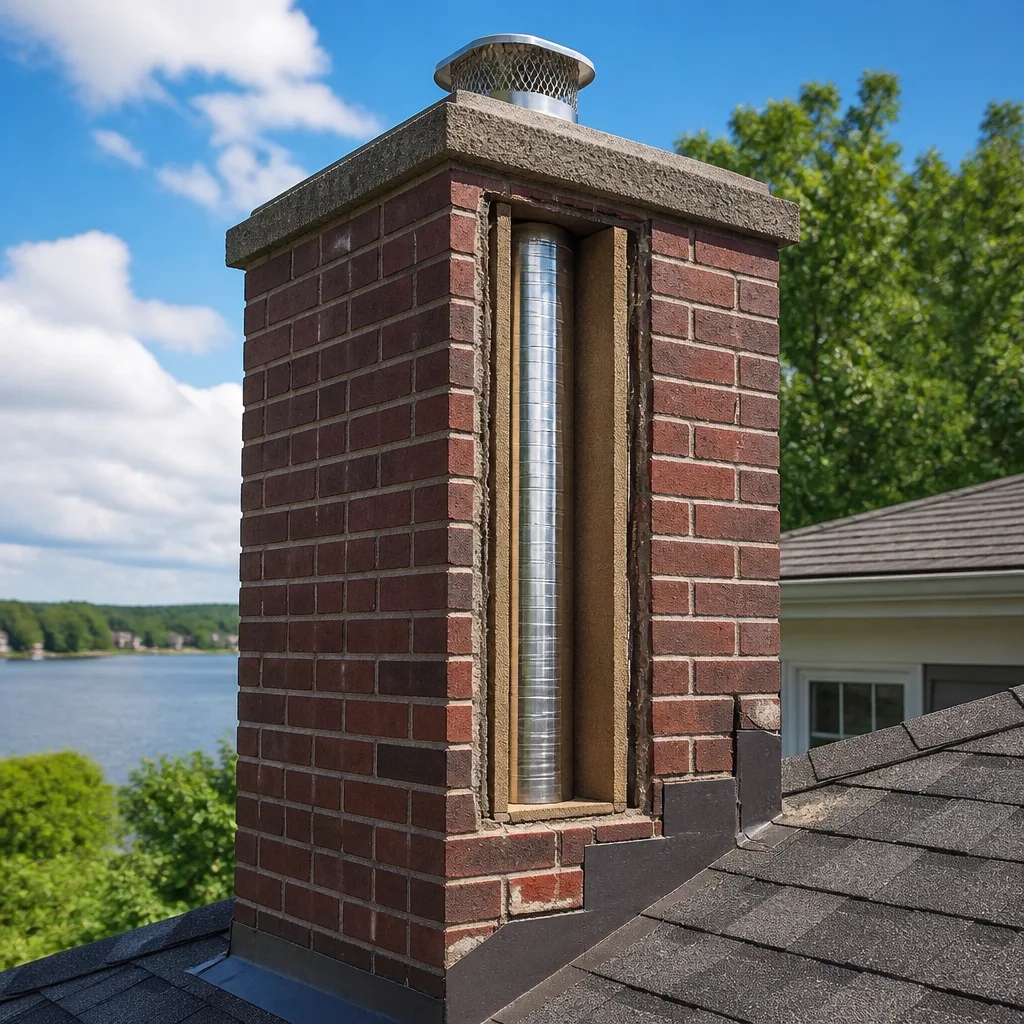 Flue relining
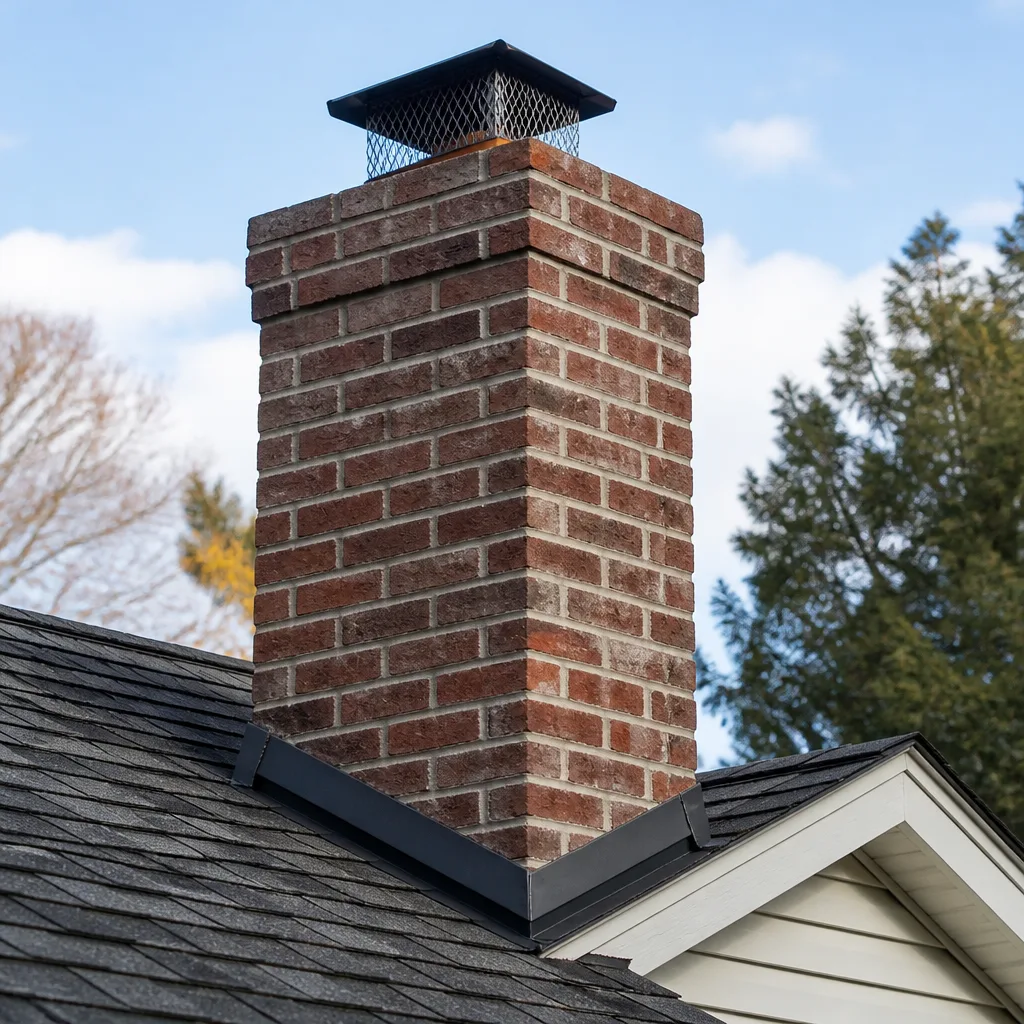 Masonry repair
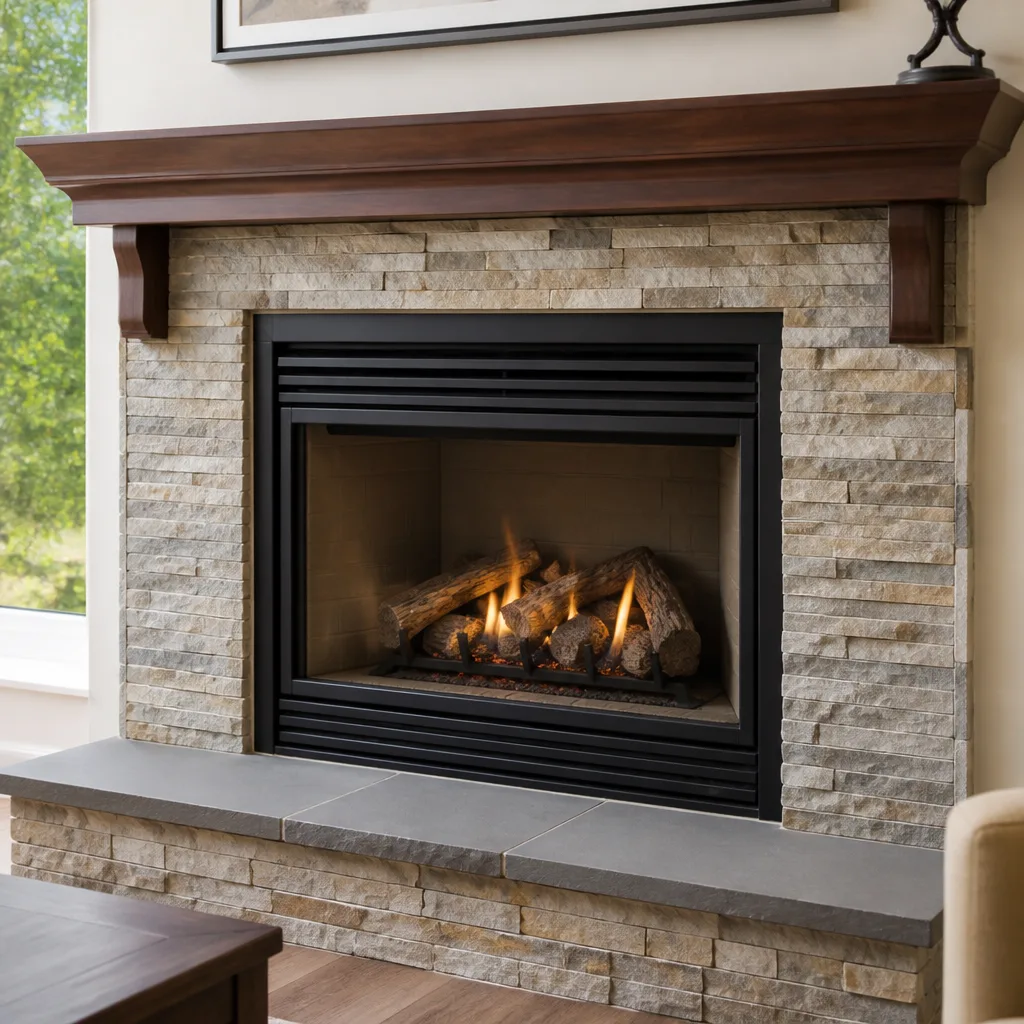 Gas fireplace service
Level 1 sweep and inspection to the NFPA 211 annual standard - flue, crown, cap, and flashing checked and photographed
Chimney sweep logs do not sweep chimneys. They loosen some creosote - which then falls where a brush and vacuum still have to collect it.
Chimney Cleaning Permits, Codes & Inspections in TX: What You Need to Know
In Bexar County, a chimney cleaning itself never requires a permit. But here’s the part that catches San Antonio homeowners off guard: the repairs a sweep uncovers often do. A cracked flue liner, a firebox rebuild, a gas log conversion – those can all trigger permit requirements under City of San Antonio code. The problem is that many contractors quietly skip the permit to save time, and the homeowner is the one left holding the liability if something goes wrong. This guide and our Complete Guide to Chimney Cleaning in San Antonio explain exactly where the line sits between cleaning, repair, and replacement, which codes apply in Texas, how to verify a contractor actually pulled the permit they said they did, and what your insurance company expects if you ever file a claim.
Styles & brands we work with
Quick Answer
Chimney cleaning and standard chimney sweeping do not require a permit in San Antonio, Texas. However, structural repairs such as flue liner replacement, firebox rebuilding, and gas log conversions generally do require permits through the City of San Antonio Development Services Department. Always request written permit confirmation from any contractor performing repairs, because unpermitted work can void a fire-related insurance claim.
Table of Contents
- The Legal Line: Cleaning vs. Repair in Texas
- What Codes Apply to Chimneys in San Antonio
- When a Permit Is Actually Required
- When a Level 2 Inspection Becomes Legally Required
- How to Check Permit History on a Property
- What Valid Permit Documentation Looks Like
- Common Mistakes to Avoid
- When to Call a Professional
- Frequently Asked Questions
- The Bottom Line
The Legal Line: Cleaning vs. Repair in Texas
Texas does not require a state-issued license or permit for the act of chimney sweeping. Sweeping is considered routine maintenance, like cleaning gutters or flushing a water heater. Neither the state nor the City of San Antonio requires a permit before a technician removes creosote, soot, or debris from a flue. That’s true whether the chimney serves a wood-burning fireplace, a gas fireplace, or a wood stove.
But the distinction collapses the moment work goes beyond cleaning. If a sweep finds a cracked flue tile and recommends a stainless steel liner, that liner replacement is a structural and fire-safety modification. City of San Antonio code treats it as a building alteration, and alterations require a permit. The same applies to rebuilding a firebox, repointing significant sections of masonry, or converting a wood-burning fireplace to gas logs. In our experience, roughly 20% of the sweeps we perform in San Antonio uncover at least one repair item that would trigger a permit if we moved forward with it the same day-one reason we publish our Chimney Cleaning Warning Signs: A San Antonio Homeowner’s Reference Guide.
The key phrase in the city’s permitting documents is “alteration.” An alteration changes the structure, the fuel type, or the venting system. Cleaning changes none of those things. That one word is the boundary between a $200 maintenance visit and a $4,000 repair project that should have a paper trail.
What Codes Apply to Chimneys in San Antonio
San Antonio adopts the International Residential Code (IRC) with local amendments. The IRC is the model code for one- and two-family dwellings, and its chimney provisions live primarily in Chapter 10 (Chimneys and Fireplaces) and Chapter 8 (Interior Finishes, where clearance-to-combustibles rules appear). Bexar County and the City of San Antonio enforce the IRC through the Development Services Department, which issues permits and performs inspections.
The sections that matter most for San Antonio homeowners:
- IRC R1001 covers masonry fireplace construction and firebox dimensions. Any firebox rebuild must meet current dimensional requirements, not just match what was there.
- IRC R1003 governs chimney construction, including flue sizing, wall thickness, and termination height. A new flue liner must match the appliance’s flue diameter and rise at least 3 feet above the roof penetration point and 2 feet above anything within 10 feet.
- IRC R1004 covers factory-built fireplaces and their installation. Converting an existing masonry fireplace to a factory-built insert type requires compliance here.
- IRC M1801 and M1802 address venting for gas appliances, including gas log sets and gas fireplace inserts. Gas log conversions fall under these sections rather than the masonry chapters.
Beyond the IRC, San Antonio enforces the International Fuel Gas Code (IFGC) for gas venting and the International Mechanical Code (IMC) for appliance connection details. Any gas log conversion or gas fireplace repair that touches the gas line, the burner, or the venting configuration is reviewed under these codes, which is why a gas log swap is rarely as simple as setting new logs in the firebox. The gas supply line and shutoff valve location both have code requirements that a permit inspection verifies.
Climate matters here more than most people realize. San Antonio’s hot, humid summers and occasional hard freezes subject masonry to significant thermal cycling. Clay flue tiles crack. Mortar joints open up. The freeze-thaw cycle in late January and February is when we see the most spalling, and spalling that reaches the flue liner is a code-level repair, not a cosmetic repointing. A technician who does not understand local climate stress patterns will often misdiagnose the severity.
When a Permit Is Actually Required
Here is the list of chimney-related projects that trigger a permit requirement in San Antonio, based on the Development Services Department’s published categories and the IRC sections listed above. If the work you are considering appears here, insist on written permit confirmation before anyone starts.
- Flue liner installation or replacement. Installing a stainless steel liner like a DuraFlex or Olympia Chimney system permanently alters the venting pathway. The permit covers the liner material, sizing, and connection to the appliance. This is the most common permit-triggering chimney repair in San Antonio.
- Firebox rebuild or substantial repair. Rebuilding the firebox walls or floor changes the combustion chamber dimensions. The permit inspection confirms mortar type, firebrick thickness, and clearance to combustibles.
- Gas log conversion from a wood-burning fireplace. Adding a gas line, a gas log set, and a vented or vent-free burner changes the fuel type of the appliance. The permit covers the gas connection, shutoff location, and venting configuration.
- Chimney crown replacement or full repointing of the smoke chamber. A cracked crown lets water into the masonry. Replacing it is not cosmetic. Full smoke chamber parging with a material like HeatShield or Gelco changes the flow and sealing characteristics of the flue and is treated as a repair requiring inspection.
- Complete chimney rebuild above the roof line. If freeze damage or a chimney fire has compromised the masonry from the roof up, the rebuild is structural. No legitimate inspector would treat this as maintenance.
Work that does not require a permit includes: standard chimney sweeping, creosote removal, minor mortar repointing of small areas (less than 10 square feet), cap replacement that does not alter venting, and damper adjustment or replacement where no structural change occurs. The line between “minor repointing” and “substantial repair” is a judgment call, which is why a credible chimney company will tell you explicitly whether the work stays in the maintenance category or crosses into permit territory, and why we maintain a detailed Chimney Sweep Maintenance Checklist for San Antonio Homeowners.
When a Level 2 Inspection Becomes Legally Required
The chimney inspection industry uses three levels defined by the National Fire Protection Association in NFPA 211. A Level 1 inspection is visual and happens during a routine sweep. A Level 2 inspection is more involved: it adds video scanning of the flue interior, accessible attic and crawl space checks, and verification of clearances. A Level 3 inspection involves opening up portions of the structure when a Level 2 scan reveals suspected damage that cannot be assessed visually.
Level 2 inspections become legally or contractually required in three specific situations in Texas:
- Real estate transactions. Most home inspection contracts in Bexar County do not include a chimney video scan, but FHA and VA loan appraisals often flag wood-burning fireplaces for additional review. A Level 2 inspection satisfies that requirement and provides documentation for the lender.
- After a chimney fire. Any fire event inside the flue, even a small one, changes the structural integrity of the clay liner and mortar. NFPA 211 requires a Level 2 inspection before the chimney is used again. This is not a recommendation; it is the national consensus standard that Texas jurisdictions incorporate by reference.
- After an appliance or venting change. If you convert a wood fireplace to gas logs, swap a gas log set for a sealed insert, or replace a furnace that shares a flue, a Level 2 inspection confirms the new configuration meets the current IRC and IFGC requirements. Permitting departments in San Antonio often require this inspection before issuing a final approval on the permit.
We’ve seen homeowners in Alamo Heights and Terrell Hills buy homes with beautiful masonry chimneys that passed a standard home inspection, only to discover during the first sweep that the flue had a 6-foot vertical crack hidden behind the smoke shelf. A Level 2 inspection would have caught it before closing. In one case a seller agreed to a $3,800 liner replacement because the buyer’s video scan documented the defect. Without that documentation, the buyer would have inherited the repair.
How to Check Permit History on a Property
Before you buy a home in San Antonio, or before you hire a contractor who claims a previous owner pulled permits for chimney work, you can verify the permit history yourself. The City of San Antonio Development Services Department operates an online portal that allows anyone to search by address for permit records. This is public information, and checking it takes about ten minutes.
- Go to the City of San Antonio Development Services Department website and find the “Permit Search” or “Citizen Portal” link. The exact URL has changed over the years, but the portal is always linked from the main department page.
- Enter the property address without abbreviations. Use “East” not “E” and “Street” not “St.” The search pulls from the utility address database, so it needs to match exactly.
- Review the permit list. You are looking for permits with work descriptions that mention “fireplace,” “chimney,” “flue,” “gas log,” or “venting.” A permit number and inspection date should be listed.
- If a permit appears but the final inspection status shows “open” or “pending,” that work was never signed off. An open permit can delay a future sale and can indicate that the work was not completed to code.
- If no permit appears for work you know was done, that’s a red flag. In our experience, about 40% of the chimney repair work done in San Antonio over the last two decades was performed without a permit. That does not always mean the work is defective, but it means no code official ever verified it.
This same portal is where you can verify that a contractor actually opened a permit for your project. Ask for the permit number before work begins, then look it up. If the permit number does not appear in the portal, the permit does not exist. Legitimate contractors have no problem providing this number; it proves their work is being done correctly.
What Valid Permit Documentation Looks Like
A verbal assurance that “we handle permits” is not documentation. A valid permit confirmation from the City of San Antonio includes specific fields that you should see in writing before any repair work begins on your chimney. Here is what to ask for and what each field tells you.
- Permit number. A unique identifier that starts with a letter code indicating the permit type (for example, “B” for building, “M” for mechanical, “P” for plumbing). Chimney repair permits are typically building or mechanical permits.
- Property address. The permit is tied to the physical address, not to the contractor. If the address is wrong, the permit is invalid for your property.
- Work description. Should state specifically what is being done: “flue liner replacement,” “firebox rebuild,” “gas log conversion.” A vague description like “chimney work” is worth questioning.
- Contractor name and license number. The City of San Antonio requires contractors to register with the Development Services Department. The registered name should match the company you hired.
- Permit status. “Issued” means the permit is active. “Finaled” means inspections passed and the work is closed. “Open” means work is in progress or stalled.
- Inspection dates. For liner and repair work, the city typically requires at least one inspection (a “rough” inspection) before areas are concealed and one final inspection. Passed inspection dates should be logged.
The permit fee for a typical chimney liner replacement in San Antonio runs between $150 and $450, depending on the valuation of the work. That fee is separate from the labor and materials. A contractor who quotes you a price that seems too good to be true may be omitting the permit fee entirely. When you receive a written price from any chimney company, check whether the permit line item is present. At Alcott Chimney San Antonio, our written quotes separate the permit fee from the labor and materials so you can verify it yourself in the portal. For more details on what a thorough inspection covers, see our Chimney Inspection in San Antonio page.
Common Mistakes to Avoid
- Assuming a chimney sweep’s recommendation equals a code requirement. A sweep may recommend a repair that is prudent but not code-mandated. Ask directly: “Is this a code repair or a maintenance recommendation?” A credible company will distinguish clearly.
- Accepting a verbal permit promise. “We’ll take care of the permit” with no permit number is not verification. Get the number in writing before the crew arrives, then confirm it in the Development Services portal.
- Paying the full amount before the final inspection. If your contractor wants full payment before the city signs off, you lose all leverage. A standard schedule is a deposit, a progress payment, and a final payment after the finaled inspection.
- Ignoring open permits from previous owners. An open permit shows up during a title search and can delay closing. Check the portal before listing or buying. Closing an open permit may require an inspection and additional fees.
- Assuming homeowners insurance covers unpermitted work. Most policies contain exclusions for losses caused by faulty workmanship or code violations. If the chimney fire started because a liner was installed without a permit, and the liner failed, the carrier may deny the claim. This is the exact scenario we referenced at the top of this guide.
- Passing on a Level 2 inspection to save $100. A visual inspection cannot see inside the flue. The most serious defects are hidden, and the extra cost of a video scan is a fraction of what a liner replacement costs.
- Using a handyman for chimney repairs. The City of San Antonio requires registered contractors for permitted work. A handyman without a contractor registration cannot legally pull the permit, which means your unpermitted repair will be done outside the system.
When to Call a Professional
Any time a chimney cleaning uncovers cracked flue tiles, a deteriorated firebox, missing mortar, or evidence of a previous chimney fire, call a chimney professional who can advise on both the repair scope and the permit requirement. A proper Chimney Sweep in San Antonio will document findings with photos and provide a written recommendation that separates maintenance from code repair. If you smell gas near your fireplace, leave the house and call a Gas Fireplace Repair in San Antonio professional who is registered with the city. Alcott Chimney San Antonio offers free estimates in San Antonio – call (903) 515-5079 and a live person will answer. We will send a background-checked technician whose name and photo you’ll receive before the visit. We never recommend a repair without camera evidence you can see for yourself, and we will not scare you into replacing a liner that has years of serviceable life left.
Frequently Asked Questions
A standard chimney sweep in San Antonio typically runs $150 to $300, depending on the level of creosote buildup, the chimney height, and whether a Level 1 inspection is included. For more guides & resources, visit our blog. If the sweep uncovers repair items, those are quoted separately with a written price before any work begins. Call (903) 515-5079 for an exact quote on your home – estimates are free.
No permit is required for chimney cleaning or sweeping anywhere in Texas, including San Antonio. Cleaning is routine maintenance. Permits only enter the picture when repairs alter the structure, the venting, or the fuel type of the fireplace.
Not always. A hairline crack in a single clay tile that is not spalling and not exposing the masonry behind it may have years of safe life. A video scan will show the actual condition. We use a camera to document every liner recommendation, and if the liner can safely wait, we tell you plainly. If the crack extends through multiple tiles or the liner is separating from the flue wall, the liner should be replaced before the next burning season. Call (903) 515-5079 for a camera inspection and an honest assessment.
The National Fire Protection Association recommends a sweep at or before 1/8 inch of creosote buildup, which for most San Antonio wood-burning homeowners translates to once every 1 to 2 years. Gas fireplaces should be inspected annually, even though they produce no creosote, because burner and venting components wear with use.
Creosote accumulates and eventually ignites from a hot fire, producing a chimney fire that can reach 2,000°F. That heat cracks clay liners, warps metal liners, and can ignite framing members. The same buildup also restricts draft, pushing carbon monoxide back into the living space. If a fire does occur and the insurance carrier finds the chimney had not been maintained, the claim may be reduced or denied. A yearly inspection costs less than a typical insurance deductible.
Yes. Converting a wood-burning fireplace to gas logs changes the fuel type and requires both a mechanical permit and a gas permit through the City of San Antonio. The inspection covers the gas line, shutoff location, venting configuration, and burner installation. Unpermitted gas log work is a code violation and may void your insurance if the installation later causes a fire. Call (903) 515-5079 for a conversion estimate that includes permit management.
The Bottom Line
Chimney cleaning in San Antonio is permit-free maintenance, but the repairs a cleaning often reveals are regulated building work. Know the difference. If your sweep recommends a liner, a firebox rebuild, or a gas conversion, get the permit number in writing and verify it in the City of San Antonio Development Services portal. Get a Level 2 inspection when buying, selling, or after any fire event. And never accept a verbal promise about permits – a legitimate contractor will show you the paper. For homeowners in San Antonio who want a straightforward assessment without scare tactics, call Alcott Chimney San Antonio at (903) 515-5079. We’ve been serving San Antonio since 2002, and every job comes with a written price, a written guarantee, and full permit documentation when the work requires it. See more about our full-service offerings at the Alcott Chimney San Antonio home page.
Written by Ruben Castellano, Owner at Alcott Chimney San Antonio, serving San Antonio since 2002.
See the difference
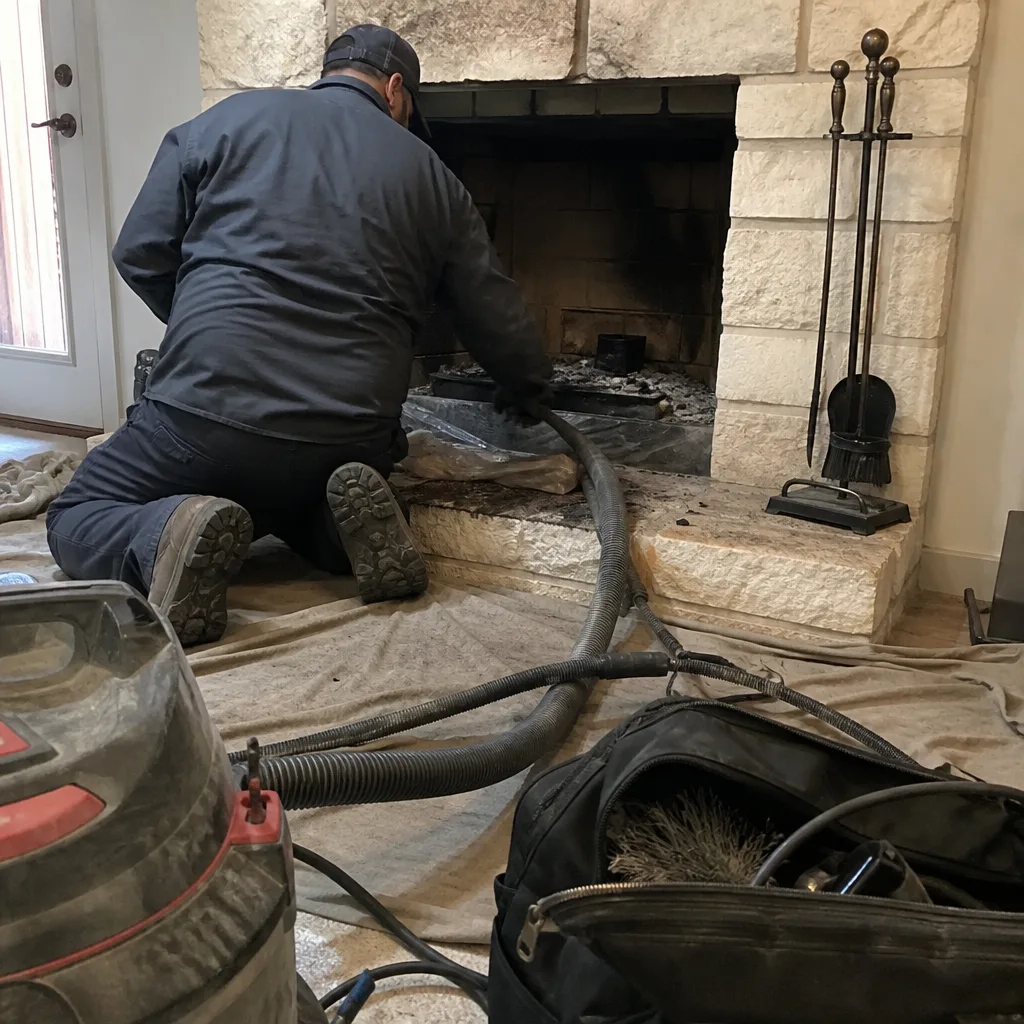 Before
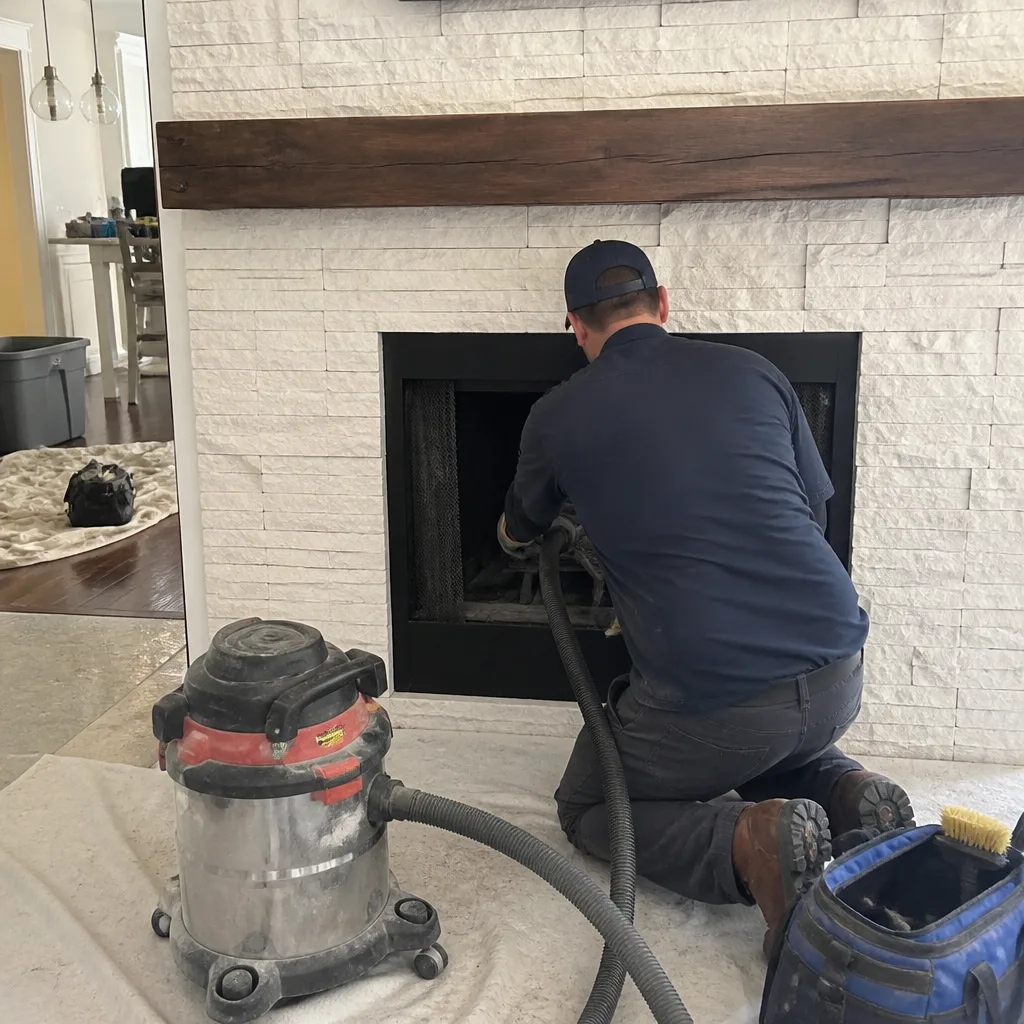 After
After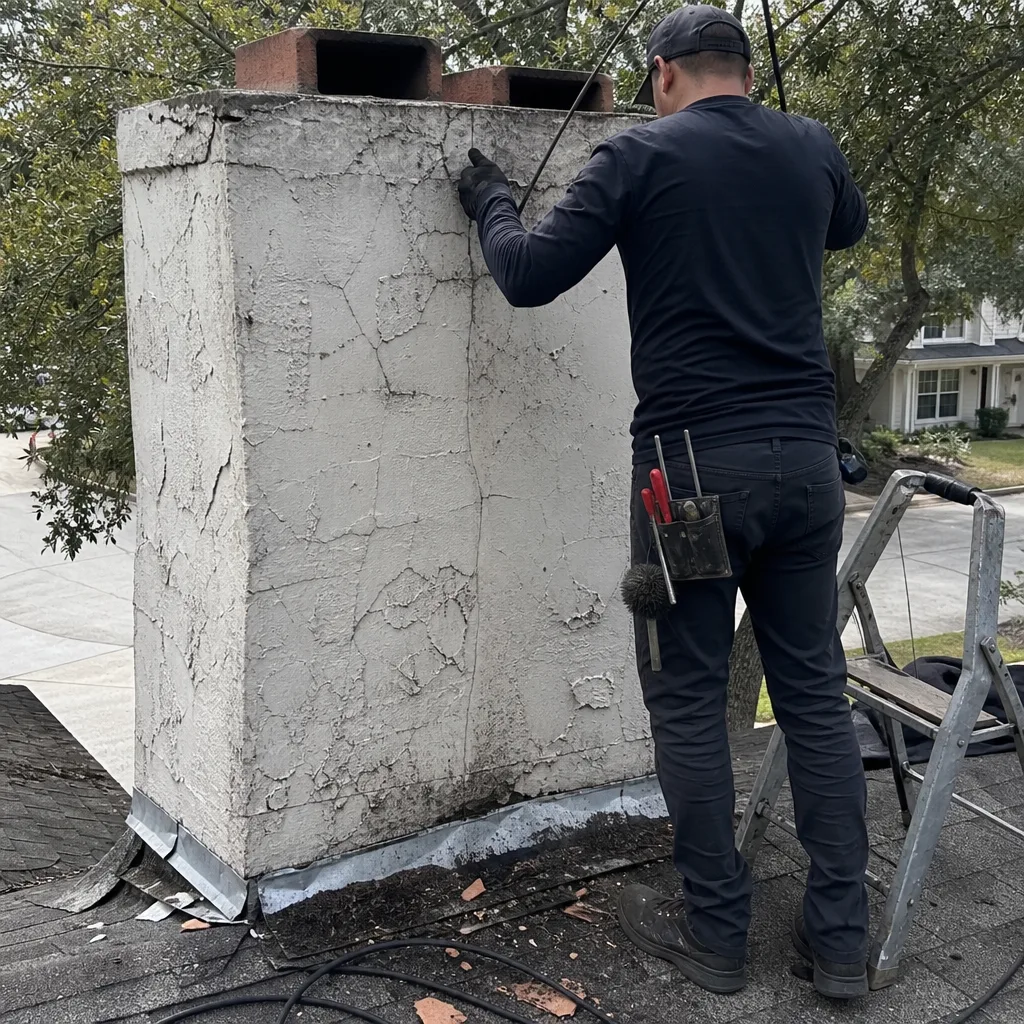 Before
 After
After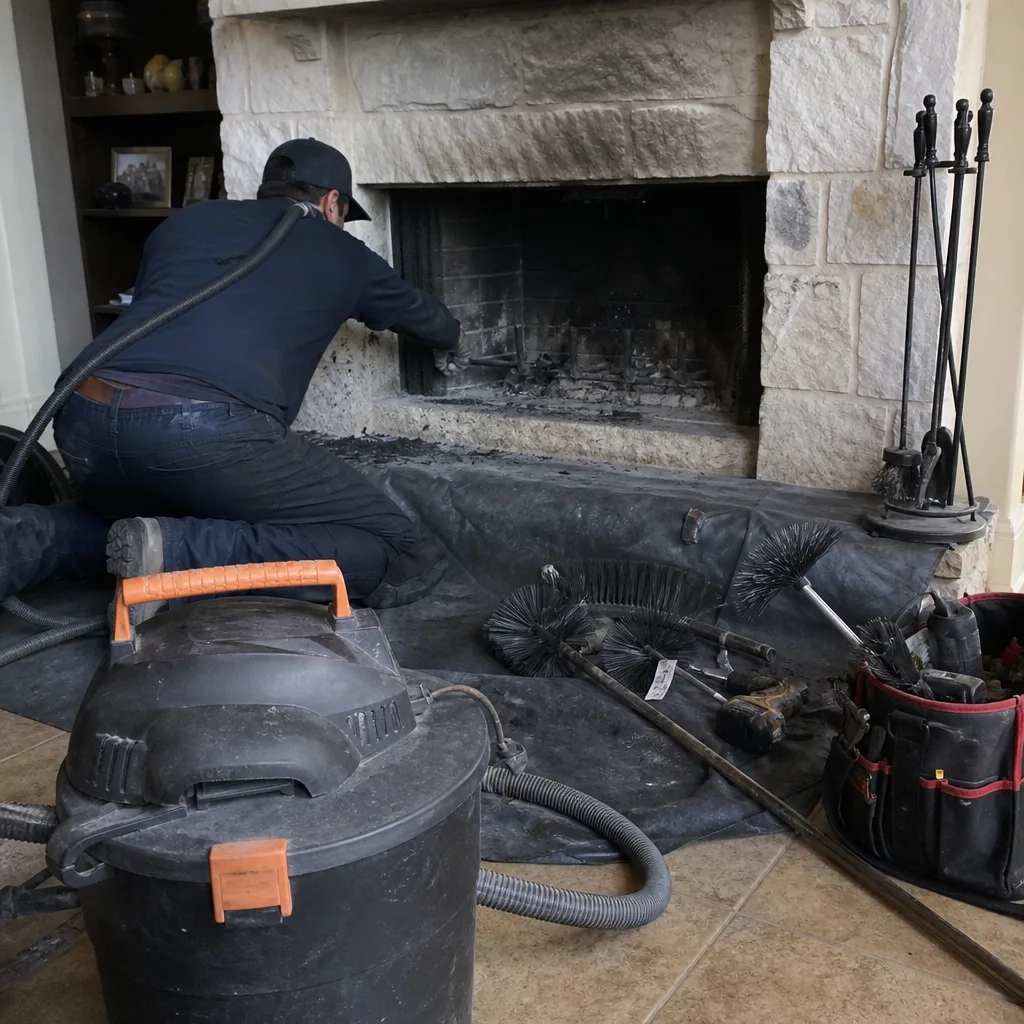 Before
 After
After