
Last updated October 15, 2026
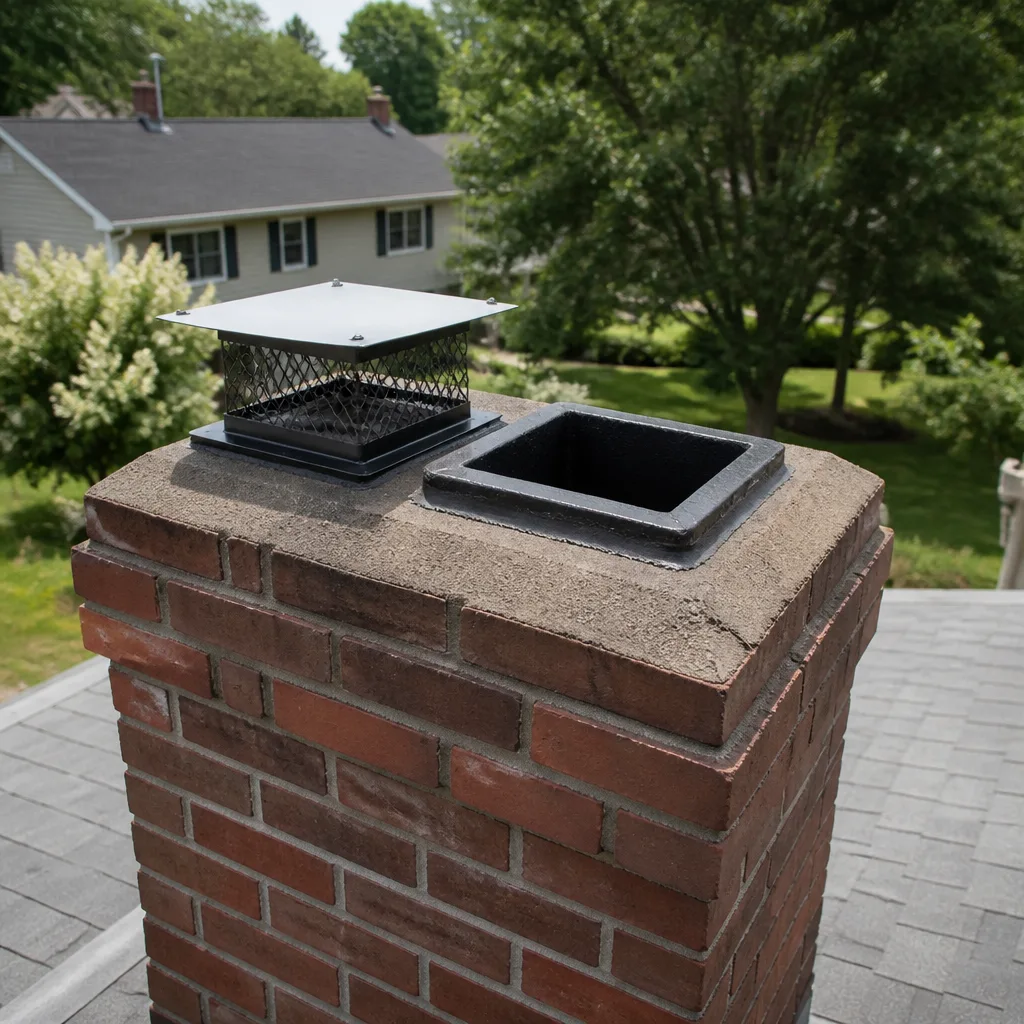 Sweep & inspection
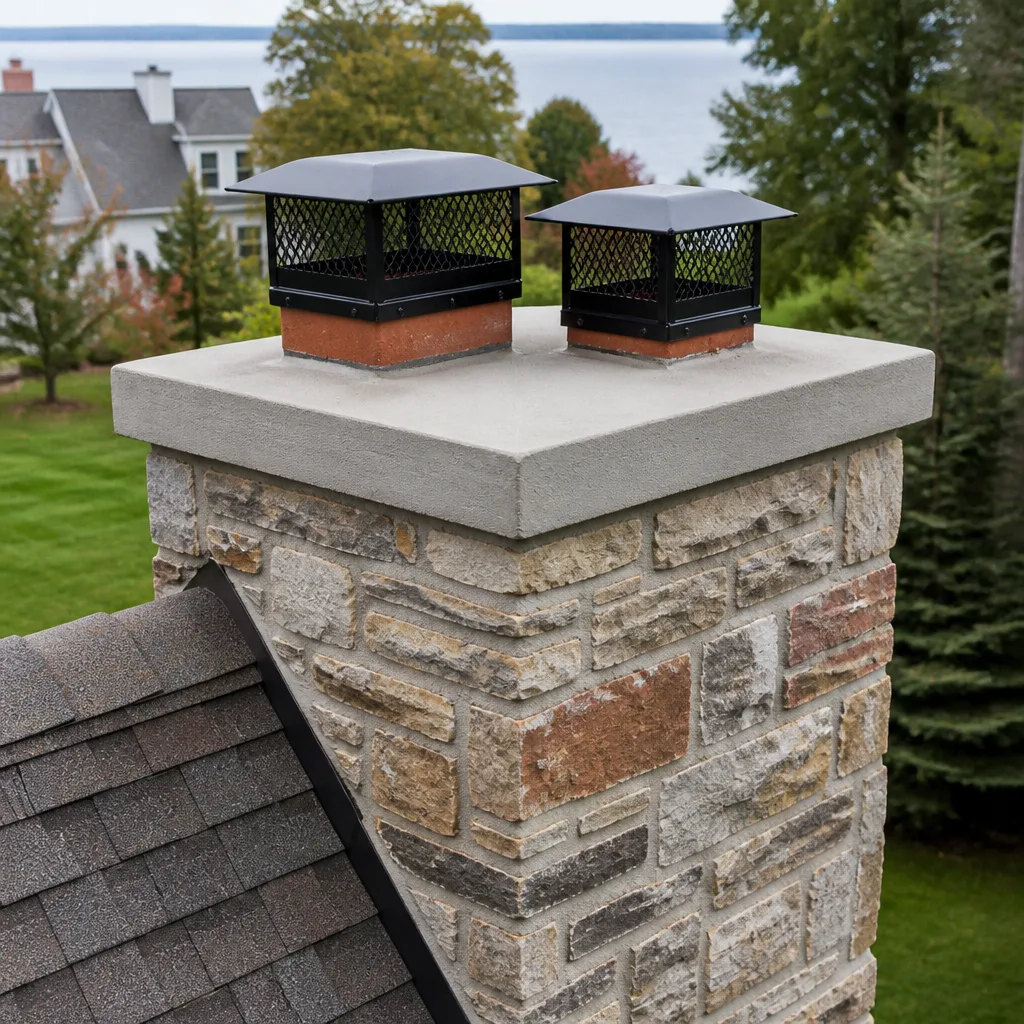 Caps & crowns
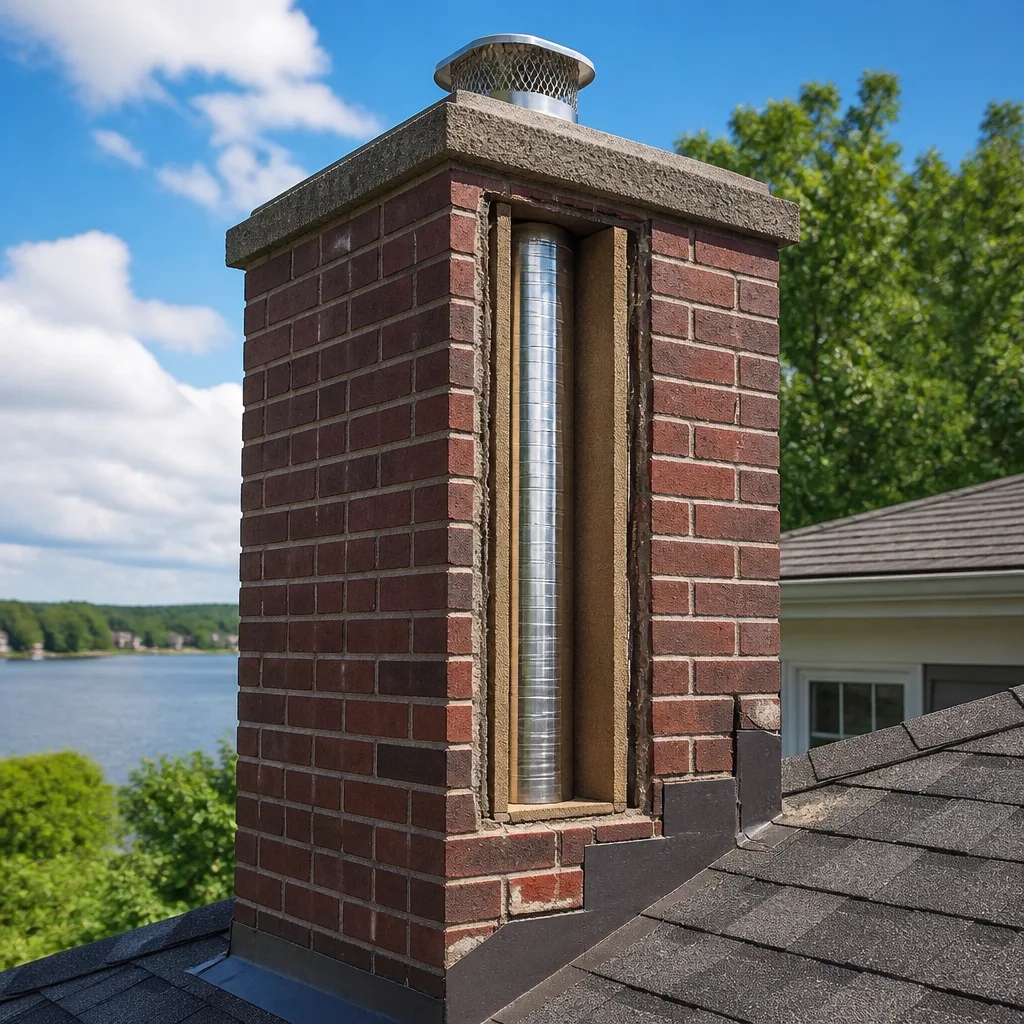 Flue relining
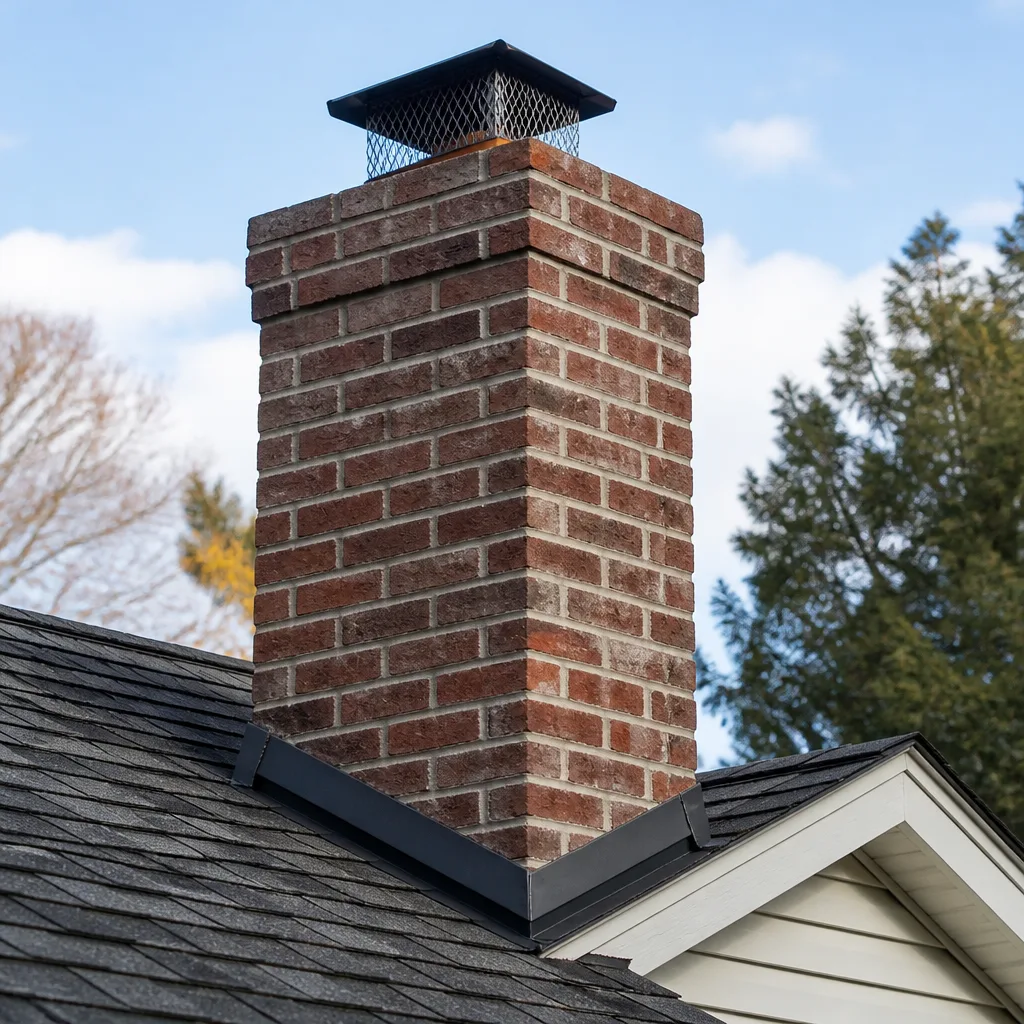 Masonry repair
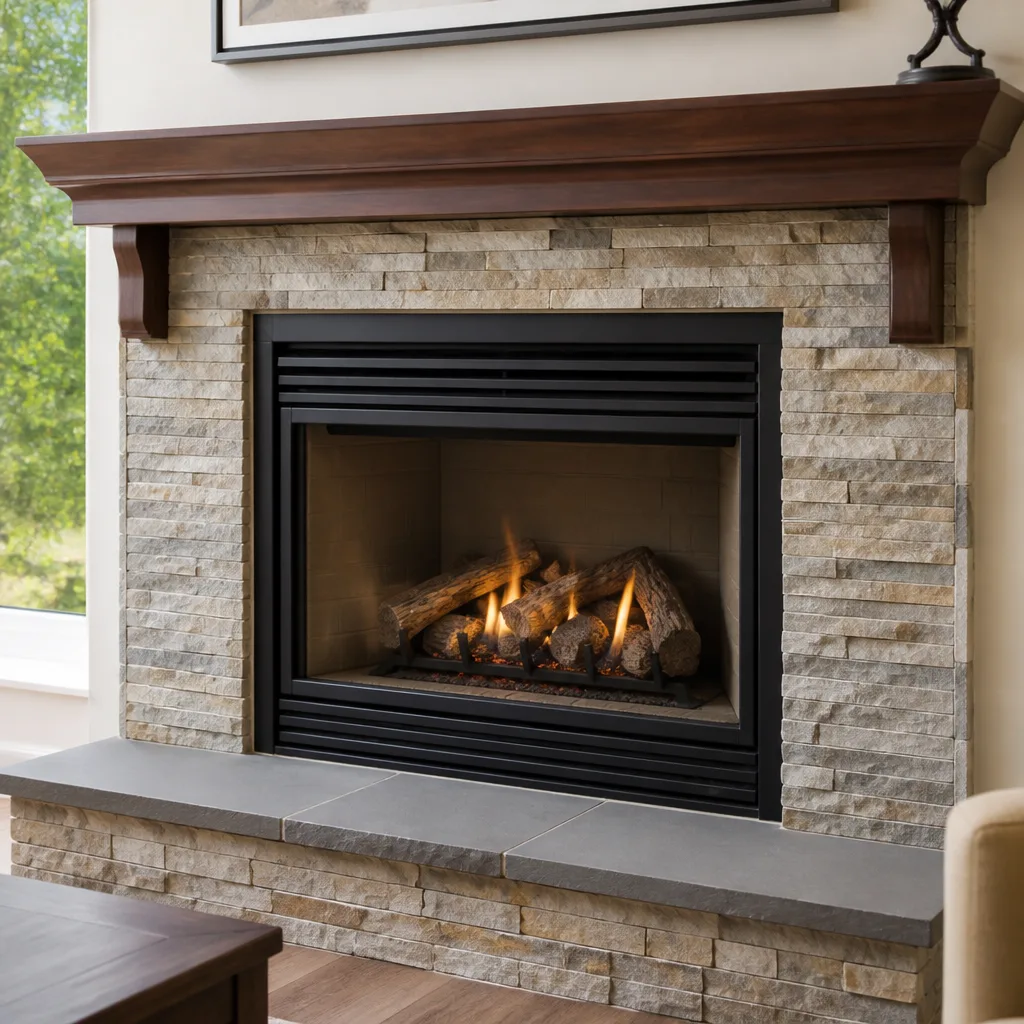 Gas fireplace service
Level 1 sweep and inspection to the NFPA 211 annual standard - flue, crown, cap, and flashing checked and photographed
Chimney sweep logs do not sweep chimneys. They loosen some creosote - which then falls where a brush and vacuum still have to collect it.
Chimney Sweep Maintenance Checklist for San Antonio Homeowners
Here’s something most San Antonio homeowners don’t realize: the worst month for your chimney isn’t December. It’s June. That’s when a sealed-up flue meets triple-digit attic heat and high humidity, and whatever moisture got trapped inside after your last fire starts doing quiet damage you won’t see until the first cold snap in November. This guide gives you a maintenance checklist built around the actual rhythm of a San Antonio chimney: long months of dormancy, a short burn season, and the specific problems our climate creates in between. We’ll walk through what to check month by month, what you can safely inspect yourself, and when to pick up the phone.
Styles & brands we work with
Quick Answer
A San Antonio chimney needs a Chimney Sweep and inspection once a year, ideally in September or early October before burn season starts, plus monthly visual checks during the months you use the fireplace. The checklist that follows covers what to look for each month, how to document your chimney’s condition with photos, and how to know when a repair quote is legitimate or premature.
Table of Contents
- Why San Antonio Chimneys Live on a Two-Season Clock
- Month-by-Month Maintenance Checklist
- What You Can Safely Inspect Yourself
- What Needs a Trained Technician
- How to Document Chimney Condition with Phone Photos
- The Three Consumable Components: Cap, Damper Seal, and Crown Coat
- How to Cross-Reference Checklist Findings Against Service Quotes
- Common Mistakes to Avoid
- When to Call a Professional
- Frequently Asked Questions
- The Bottom Line
Why San Antonio Chimneys Live on a Two-Season Clock
National chimney checklists assume four seasons. They tell you to prep for winter in September, check for spring damage in March, and so on. That model doesn’t fit San Antonio. We average roughly 220 days a year above 70 degrees, and most homes burn wood or gas logs between mid-November and early March, if at all. The other eight to nine months, your chimney sits dormant while heat, humidity, and the occasional violent thunderstorm work on the exterior.
The result is a maintenance pattern unique to South Texas. You’re not protecting a chimney from freeze-thaw cycles like someone in Minnesota. You’re protecting it from three things: summer heat that dries and cracks masonry and mortar, humidity that feeds creosote breakdown inside the flue, and storm season winds that shift caps and loosen flashing. A chimney in Alamo Heights and one in Stone Oak face nearly identical conditions, even though the homes look nothing alike.
Keep this two-season frame in mind as you read the checklist. In San Antonio, the maintenance calendar has two anchor points: a pre-burn inspection in fall and a post-storm visual check in late spring. Everything else flows from those.
Month-by-Month Maintenance Checklist
Here’s a month-by-month breakdown matched to actual San Antonio weather, not a generic seasonal template. If you skip months, the two that matter most are September and May.
September: Schedule Your Annual Sweep and Inspection
This is the single most important maintenance action of the year, and it should happen before the first cold snap, not after. A chimney sweep in San Antonio typically runs $189 to $350 depending on the size of the system, its condition, and whether an inspection with camera is included. In our experience, September is the right month because the weather has cooled enough that the summer heat has stopped actively stressing the masonry, but you still have weeks before anyone thinks about lighting a fire.
- Call to book your sweep and inspection. Ask whether the technician will run a camera up the flue, not just brush it.
- Confirm the inspection is a Level 1 or Level 2 inspection (Level 2 if you’ve had a chimney fire, a new appliance, or a home sale).
- Get the written price before work starts. If a company won’t give you a number in writing before the job, that’s a red flag.
- After the sweep, ask for photos or a written summary of what was found, including creosote thickness and any cracks or gaps.
October: First Fire Check and Damper Test
Before you light anything, open the damper fully and look up with a flashlight. You should see daylight at the top if the flue is unobstructed. Check that the damper opens and closes smoothly and seats fully when closed. If you skipped September, October is your last reasonable chance to book a sweep before burn season. For full details, see The Complete Guide to Chimney Cleaning in San Antonio. We regularly get calls in San Antonio the week of Thanksgiving from people who discovered a problem on their first fire, and by then the schedule is packed.
November through February: Monthly Burn-Season Checks
During the months you actually use the fireplace, do a quick visual check once a month. It takes about five minutes.
- Look for black, shiny creosote buildup on the firebox walls. Dry flaky soot is normal; tar-like glaze is not.
- Watch for smoke entering the room instead of going up the flue. That’s a draft problem, and it’s immediately dangerous.
- Check the hearth area for small pieces of masonry or tile, which signal spalling (deteriorating brick).
- Listen for unusual popping or rushing sounds that suggest an obstruction or animal nest.
- Feel the wall around the fireplace for warmth. The firebox and flue should contain heat. Heat migrating into the wall is a fire-stop issue.
March: Post-Season Shutdown
When you’re done burning for the season, close the damper and consider whether you need a chimney balloon or damper plug to keep conditioned air from escaping all summer. Many San Antonio homes lose cool air straight up the flue from April through October, and that’s money leaving through the roof. A simple flue sealer costs $40 to $80 and pays for itself in one summer.
April: Storm Prep Check
San Antonio’s severe weather season runs from roughly March through May. In April, walk outside and look at your chimney cap, crown, and flashing. You’re checking for anything loose before the heaviest storms arrive. A cap shifted even an inch can let wind-driven rain into the flue, and by June that moisture is trapped and baking.
May: Post-Storm Exterior Inspection
After spring storm season, look again at the cap, crown, and flashing. This is the maintenance checkpoint most homeowners skip entirely. Hail can crack a crown. High winds can loosen a cap’s screws. If you find damage in May, you have all summer to fix it before burn season. That’s much better than discovering it in November when every chimney company in San Antonio is booked solid.
June through August: Dormancy Months
During the long hot months, the main tasks are prevention and documentation. Keep the damper closed. If you have a gas fireplace, check that the pilot light is off and the glass doors are clean. Take a photo of your firebox and exterior chimney once in June and once in August (more on this below). The goal is to establish a visual record so you can detect change over time. And if you smell any outdoor odor coming down the chimney after a rain, that’s trapped moisture telling you something needs attention.
What You Can Safely Inspect Yourself
You don’t need to be a chimney professional to catch developing problems early. Here are the five things any San Antonio homeowner can check with a flashlight, a phone camera, and five minutes of patience.
1. Firebox Color and Condition
Look at the firebrick inside the firebox, the area where the fire actually sits. Healthy firebrick is a uniform light tan or cream color. If you see white, powdery deposits, that’s efflorescence, and it means moisture is moving through the masonry. If you see black, shiny patches that look like tar, that’s creosote (the tar-like byproduct of wood smoke that causes the majority of chimney fires) and a sweep is overdue. If you see cracked or crumbled brick, especially near the floor of the firebox, that’s a structural concern worth a professional look.
2. Damper Movement
Open and close the damper fully. It should move smoothly without grinding, and when closed, it should seat evenly with no visible gaps around the edges. A damper that sticks or won’t fully close is letting conditioned air escape all summer, and a damper that won’t fully open is a smoke hazard during burn season. Replacement dampers run $200 to $500 in San Antonio, but many just need adjustment or cleaning.
3. Cap Condition from the Ground
Stand in your yard where you can see the chimney top. The cap is the metal or stone covering at the very top. You’re looking for obvious shifts, rust, missing screws, or a cap that’s gone entirely. A missing cap lets rain, birds, squirrels, and Texas-sized cockroaches into the flue. We’ve pulled raccoon nests out of San Antonio chimneys more times than you’d want to hear about.
4. Efflorescence and Staining on Exterior Brick
Walk around the chimney’s exterior, especially the lower few feet where water accumulates. White chalky deposits signal water movement through the brick. Dark stains, especially near the roofline, suggest flashing failure. Neither condition is an emergency on its own, but both should be documented and watched. If the staining grows season over season, it’s time for a professional assessment.
5. Smoke Behavior During Burns
When you light a fire, watch the first 60 seconds. Smoke should be drawn cleanly up the flue. If it curls into the room, if you smell smoke in rooms far from the fireplace, or if smoke exits the chimney top in a lazy, low plume rather than a strong rising column, you have a draft problem. Sometimes it’s as simple as a cold flue (open the damper and hold a lit rolled newspaper up toward the flue for 20 seconds to warm the air column). If the problem persists, don’t keep burning. A draft-free chimney is a carbon monoxide risk, and a quick chimney inspection will tell you whether it’s obstruction, chimney height, or air pressure in the home.
What Needs a Trained Technician
Some things are genuinely dangerous to do yourself. Here’s where we recommend you stop and call a professional. The reason for drawing a hard line isn’t to sell service, it’s that chimney work combines height, masonry, and fire containment, and a mistake in any one of those three is expensive or dangerous.
Any Work on the Roof or Above the Gutters
Unless you’re experienced on steep roofs with proper safety equipment, leave cap replacement, crown repair, and flashing repair to a technician. San Antonio roofs get extremely hot from April through October, and several neighborhoods have steep pitches common to Hill Country-style construction. Falls account for a large share of home-maintenance injuries, and a chimney is never the place to test your balance.
Flue Liner Inspection and Replacement
The liner is the tube inside your chimney that contains heat and combustion gases. A cracked or deteriorated liner is a fire hazard and a carbon monoxide vector. Cameras are used to inspect liners properly; a visual look from the top or bottom only catches severe issues. If someone recommends a new liner based solely on age without a camera inspection, ask to see the images. If they can’t show you, get a second opinion. Liner replacement in San Antonio ranges from $2,500 to $7,000 depending on materials and accessibility – that’s a significant enough expense that visual evidence should be non-negotiable. When we install new liners, we use professional trade brands like DuraFlex, and the same standard of proof applies to anything we recommend: if we’re telling you it’s cracked, we’re showing you the crack.
Chimney Fire Aftermath
If you’ve had a chimney fire, even a small one, the flue needs a Level 2 inspection with a camera before you burn again. Chimney fires can crack liners and mortar joints invisibly. The cost of an inspection is small compared to the cost of a house fire caused by a compromised flue. If the fire department responds to a chimney fire, they’ll usually tell you not to use the fireplace until it’s inspected, and that instruction carries weight.
Suspected Carbon Monoxide Issues
If you have a carbon monoxide detector that goes off when the fireplace is running, or if anyone in the home experiences headaches, nausea, or dizziness during burn season, stop using the fireplace immediately and get the flue inspected. These are the symptoms CO poisoning is known for, and a blocked or leaking flue is the most likely culprit in a home with a fireplace.
How to Document Chimney Condition with Phone Photos
Phone photos are the most underused tool in home maintenance. Here’s a simple system for building a visual record of your San Antonio chimney that will help you spot change and push back on unnecessary repair recommendations.
Set a Schedule
Take photos twice a year, minimum: once in late May after storm season and once in late September right before burn season. Add monthly photos during the burn season if you use the fireplace regularly. Consistency matters more than perfection.
Use the Same Angles
Take the same four photos every time: (1) the firebox straight on from about three feet away, (2) the damper from the firebox looking up, (3) the chimney exterior from the front yard where the whole structure is visible, and (4) a close-up of the cap and crown from whatever vantage point gives you the clearest view. Keep a named album on your phone so you can scroll through months of images and spot changes.
What to Look For When Comparing
Changes that matter: new cracking in firebrick or exterior masonry, darkening of firebox walls, rust appearing on the cap, dampers that look more recessed or misaligned, and any growth in white deposits. None of these should trigger panic. They should trigger a phone call. Many chimney problems can be fixed affordably when caught early, and photo records catch them earlier than memory does.
Share Photos with Your Chimney Company
A reputable chimney company in San Antonio will look at your photos to help decide if a visit is needed, before anyone schedules a truck roll. If a company tells you that photos are useless and you need a paid inspection without hearing what you’re seeing, that’s your answer about how they operate. Alcott Chimney San Antonio looks at photos during phone consultations as a standard practice. It saves you time and sometimes keeps a truck in the yard when you don’t need one.
The Three Consumable Components: Cap, Damper Seal, and Crown Coat
Think of your chimney like your car. Most of it is durable machinery, but a few parts are wear items designed to be replaced periodically. In San Antonio’s climate, three components take the brunt of the punishment and need attention more often than national averages suggest.
Chimney Cap
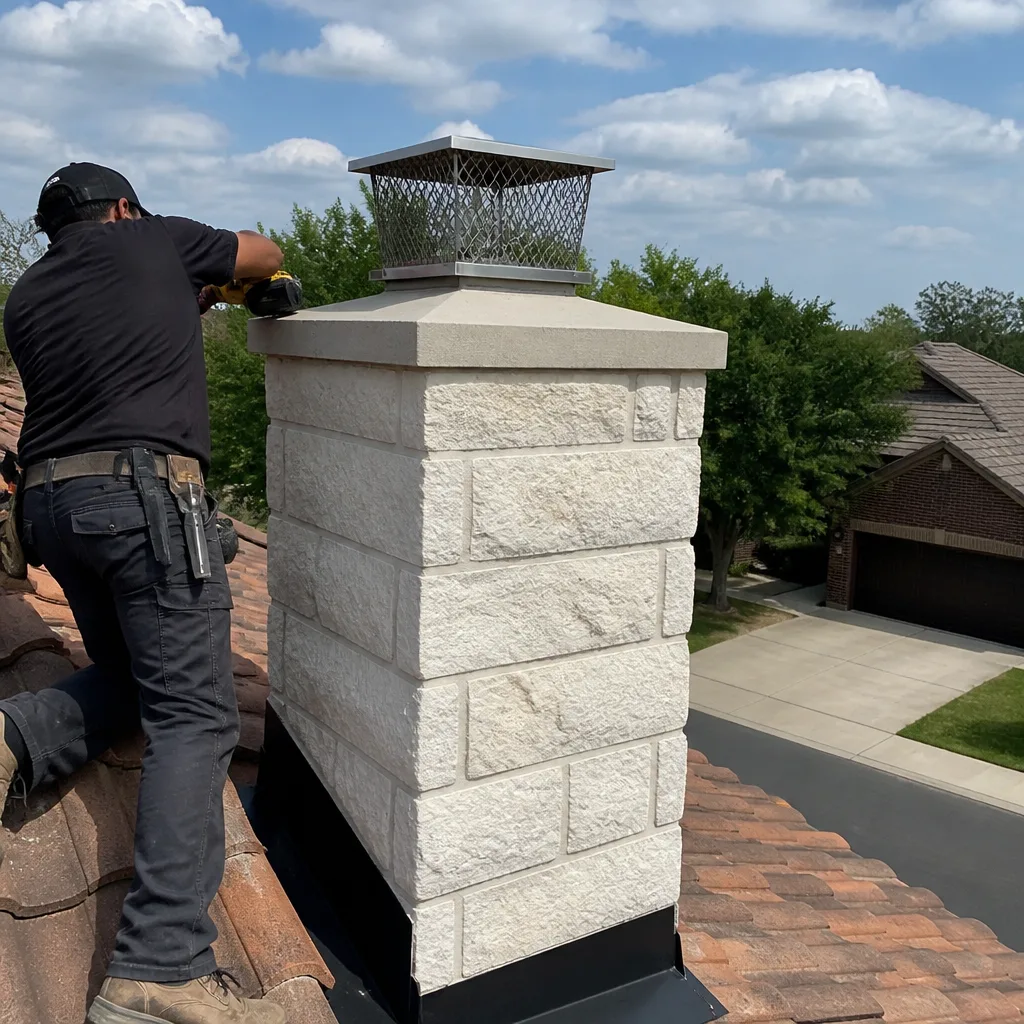
The cap sits at the very top of the flue and keeps rain, animals, and debris out. In San Antonio, metal caps take a beating from UV exposure, hail, wind-driven rain, and occasional rooftop access by the local squirrel population. A standard galvanized steel cap lasts 5 to 10 years here. Stainless steel caps from manufacturers like Copperfield last 15 or more. Expect to pay $150 to $400 for a replacement cap installed, more for custom sizing on older San Antonio homes where chimneys were built before standard sizes existed.
Damper Seal
The damper is the metal plate inside your chimney that opens for burns and closes for everything else. The seal (the gasket or mating surface) degrades over time, especially in humid climates. A damper that doesn’t seal properly lets cooled air escape all summer and lets humidity into the flue all year. In San Antonio, where air conditioning runs for eight months, a failing damper seal is a real utility cost. Traditional throat dampers last 10 to 15 years. Top-sealing dampers, which mount at the chimney top and seal far more effectively, run $400 to $800 installed and can cut energy loss measurably.
Crown Coat
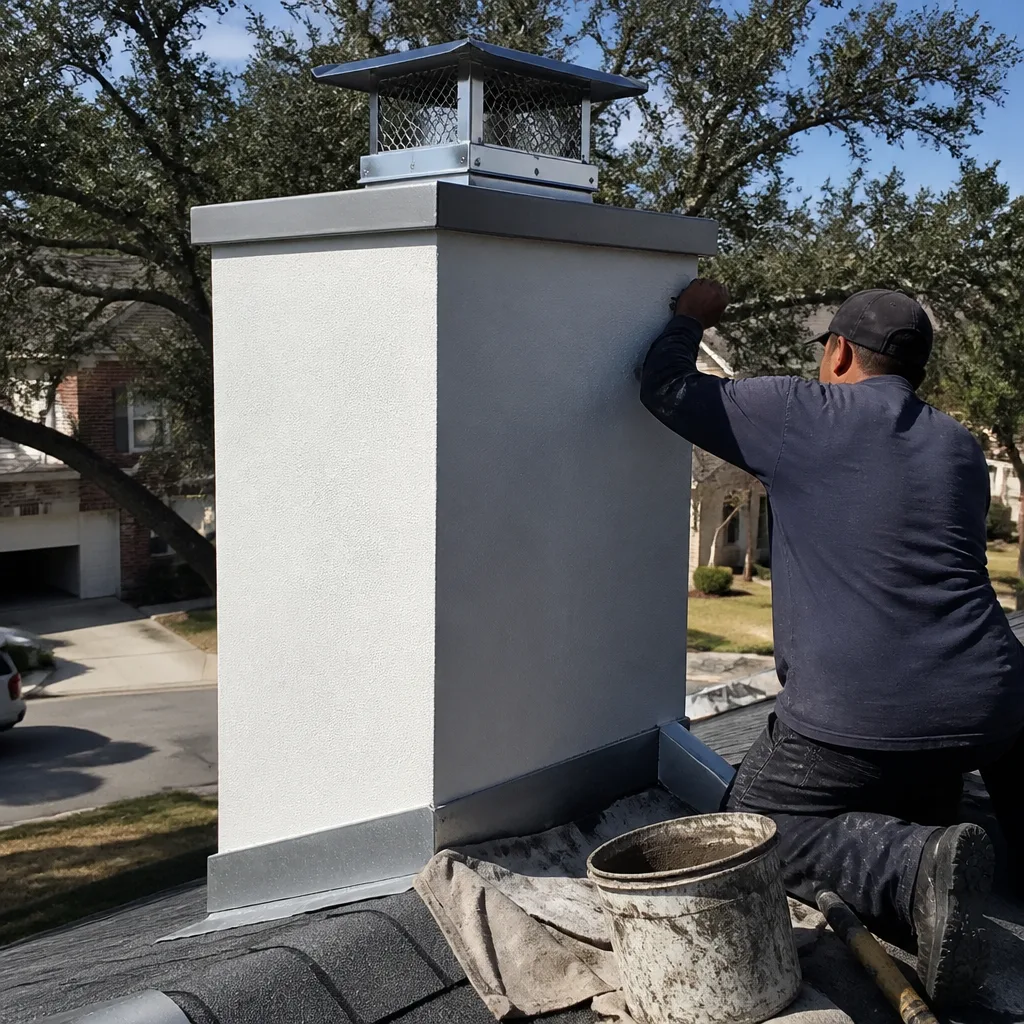
The crown is the concrete slab at the very top of the chimney structure, and the crown coat is the waterproofing layer that protects it. San Antonio’s heat and intense UV exposure break down standard crown coats faster than most climates. Small cracks in the crown are a primary entry point for water, which then works its way down through the masonry and shows up as efflorescence or interior stains months later. A crown coat refresh costs $300 to $800 and typically needs attention every 7 to 10 years in South Texas conditions. When the crown itself is cracked beyond coating, a rebuild runs $1,000 to $2,500. Products like HeatShield are also used for interior flue repair and resurfacing, and the same material-first philosophy applies: better products, specified by chimney professionals, last longer in this climate.
How to Cross-Reference Checklist Findings Against Service Quotes
This is the section that could save you thousands of dollars. When a technician comes out and quotes you repair work, you should be able to cross-reference everything they say against your own records. Here’s how to do that without being confrontational or paranoid.
Use Your Photo Record as a Truth Anchor
If a technician says your crown is cracked but your May and September photos show no visible change, ask them to point out what they’re seeing and compare it to your photo. Sometimes they’re right and the crack is new since your last photo. Sometimes they’re looking at normal hairline settling that doesn’t require action this year. The point is to ground the conversation in evidence you can see.
Ask for Camera Evidence on Liner Recommendations
Any recommendation to replace or resurface a flue liner should come with camera images you can view. Liner work is the most expensive common chimney repair, and it’s also the one where overstatement is easiest because homeowners can’t see the flue themselves. At Alcott Chimney San Antonio, we show every customer the camera feed in real time and provide still captures afterward. If we’re recommending a HeatShield resurfacing or a DuraFlex liner replacement, you’ll see exactly why. Asking for the same from any company is completely reasonable.
Distinguish “Wear” from “Failure”
Ask the technician to use plain language: is this component failing now, or is it at the end of its expected service life? Those are different situations. A crown coat with minor hairline cracking is wearing. A crown that’s actively spalling and letting water through is failing. A damper with a small rust spot is wearing. A damper that won’t seat is failing. Honest companies will tell you which one you’re dealing with. If everything they find is an emergency, that’s a signal to slow down.
Get Multiple Quotes on Expensive Work
For any job over $1,000, we recommend getting at least two quotes, even if you’re confident in the first company. It keeps the market honest, and it gives you a baseline for what materials and labor actually cost in San Antonio right now. A written price before work begins should be standard from everyone. If a company won’t put it in writing, walk away. The 365-Day Done Right Promise we offer at Alcott Chimney San Antonio, including a free return visit if a repair fails within the coverage period, is only meaningful in writing. Ask to see the terms before you agree to work.
Build Your Chimney Inspection in San Antonio Cycle Around Evidence, Not Fear
You should be able to schedule your annual inspection confidently and know that the findings will be grounded in visual proof. For more guides & resources, explore our blog. The inspection isn’t a sales call; it’s a status report. An honest chimney sweep will give you a clear picture of what’s fine, what’s wearing, and what needs attention, with numbers and photos to back each category.
Common Mistakes to Avoid
- Skipping the pre-burn inspection because “we barely use the fireplace.” Even a rarely-used chimney needs a yearly check. The issue isn’t just creosote buildup; it’s the eight months of San Antonio heat and humidity that dormancy invites. Rare use means rain and animal entry go unnoticed longer, not that problems don’t occur.
- Using a store-bought creosote log as a substitute for a sweep. Creosote-removal logs can loosen light soot, but they don’t remove the hardened, tarry creosote (the tar-like buildup that causes chimney fires) that accumulates over multiple burns. They’re a supplement at best, not a replacement for mechanical sweeping.
- Closing the damper and forgetting the chimney until November. Your flue is open to the outside through the cap, and San Antonio’s humidity works on it all year. The two-season reality we described earlier means maintenance happens in May and September, not just when it’s cold.
- Ignoring a slow drain of cool air during summer. If you can feel a draft near the fireplace in July, that’s your damper seal telling you it’s done. Fixing it saves real money on cooling, and it prevents humidity from entering the flue all season.
- Trusting a quote that lacks visual evidence. Whether it’s a liner, a crown, or a cap, if the technician can’t show you the problem, don’t pay for the fix. This single habit keeps you from buying work you don’t need.
- Burning pine and other resinous woods as primary fuel. Pine is abundant and cheap in Texas, but it produces more creosote than hardwoods like oak or hickory. If you burn pine regularly, you may need sweeping more than once a season, and your firebox will show it. Mix in hardwoods when possible, and keep your monthly burn-season checks extra consistent.
- Waiting until fall to address spring storm damage. If your May inspection finds a shifted cap or cracked crown, repair it over the summer when schedules are open and you have months of buffer. November is the worst time to need chimney work in San Antonio, and the scheduling crunch is real.
When to Call a Professional
Some situations shouldn’t wait for your next scheduled check. Call a professional if any of these describe your chimney today:
- You see smoke entering the room instead of rising through the flue.
- Your carbon monoxide detector goes off while the fireplace is in use.
- You notice a strong smoky smell in the house days after your last fire.
- You see visible cracks wider than a quarter-inch in your firebrick or exterior masonry.
- You hear animal sounds coming from the chimney, or you’ve found droppings in the firebox.
- You experienced a chimney fire, even a small one that seemed to burn itself out.
- Your damper won’t open or close, regardless of season.
Alcott Chimney San Antonio offers free estimates in San Antonio, and we answer every call with a live person, any hour. If something doesn’t seem right with your chimney, call (903) 515-5079 and describe what you’re seeing. If it can wait, you’ll know. If it can’t, we’ll tell you plainly.
Frequently Asked Questions
Once a year is the standard for most San Antonio homes, scheduled before burn season starts in November. Homes that burn pine or burn more than three times a week during winter may need a second sweep mid-season. The annual visit should include a visual inspection, and many homeowners combine it with a camera inspection for a complete picture.
A standard chimney sweep in San Antonio typically runs $189 to $350 before any repairs, depending on the system’s size and condition. Homes with steep roof access, very tall chimneys, or heavy creosote buildup may fall at the higher end. A camera inspection adds $75 to $150 if not already included. Call (903) 515-5079 for a written quote specific to your home.
Most skipped-maintenance problems aren’t dramatic. You get slow water intrusion that cracks brick over years, a damper that leaks conditioned air, and creosote that builds until a routine fire gets hotter than it should. None of these announce themselves. The dramatic one is chimney fire, which happens when enough creosote (the tar-like buildup that causes chimney fires) accumulates and ignites. It’s preventable with a yearly sweep, and the cost of prevention is a fraction of the cost of fire damage.
You need a new liner only when the existing one is cracked, spalling, or incorrectly sized for your appliance, and the standard of proof is camera images. If a technician recommends a liner replacement without showing you the cracks or deterioration on camera, get a second opinion. Liner work in San Antonio costs $2,500 to $7,000, and that’s real money. A proper recommendation will come with visual evidence you can see for yourself.
You can and should do the visual checks described in the DIY section above: firebox condition, damper movement, cap visibility, efflorescence, and smoke behavior. These catch many problems early. But a full inspection requires tools and access most homeowners don’t have: camera equipment for the flue interior, roof access for the crown and cap, and the trained eye to distinguish normal wear from failure. The two approaches work together: your monthly checks catch changes, and a yearly professional inspection verifies the flue itself is sound.
A musty smell in summer means moisture is trapped in the flue or firebox, and it’s usually tied to humidity entering through a worn cap, cracked crown, or a damper that doesn’t fully seal. San Antonio’s summer heat makes the smell more noticeable because it accelerates evaporation from saturated masonry. The fix usually starts with finding the water entry point, and that’s a professional diagnostic. Minor entry points can often be sealed affordably, but left alone, the same moisture does worsening damage each summer.
The Bottom Line
A San Antonio chimney lives on a two-season clock, and your maintenance checklist should too. Schedule a yearly sweep and inspection in September. Do monthly visual checks during burn season. Walk the exterior in May after storm season and document everything with consistent phone photos. The three components you’ll replace most often in this climate are the cap, the damper seal, and the crown coat, and none of them should be replaced without evidence. When a quote doesn’t line up with your own records, ask for camera images and a plain-language explanation of whether the part is wearing or failed. That’s the whole system.
If you haven’t scheduled this year’s sweep yet, call (903) 515-5079 for a free estimate and a written price before any work begins. We’ll send a background-checked, identity-verified technician whose name and photo you see before they arrive. Nothing gets recommended without camera evidence you can view for yourself, and every repair comes with a written guarantee. If it fails within the coverage period, the second visit is free.
Written by Ruben Castellano, Owner at Alcott Chimney San Antonio home, serving San Antonio since 2002.
See the difference
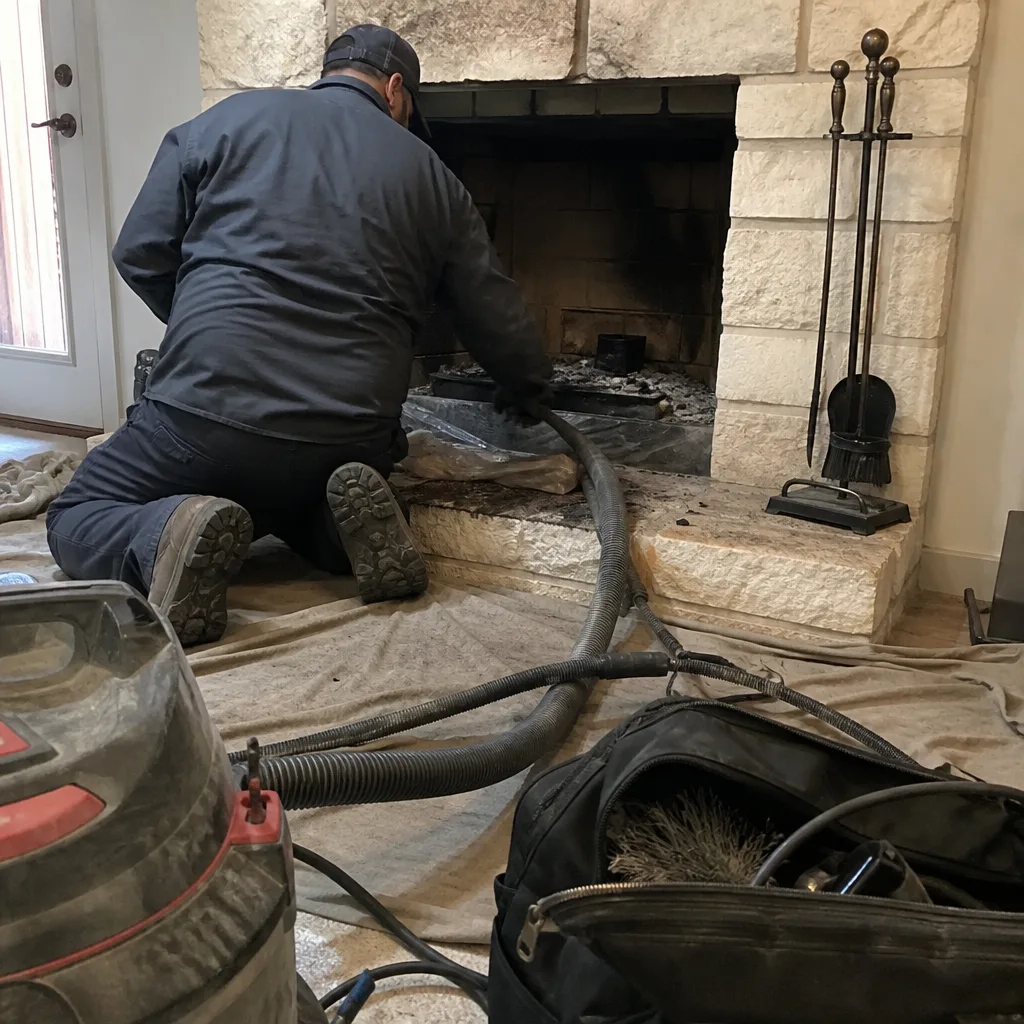 Before
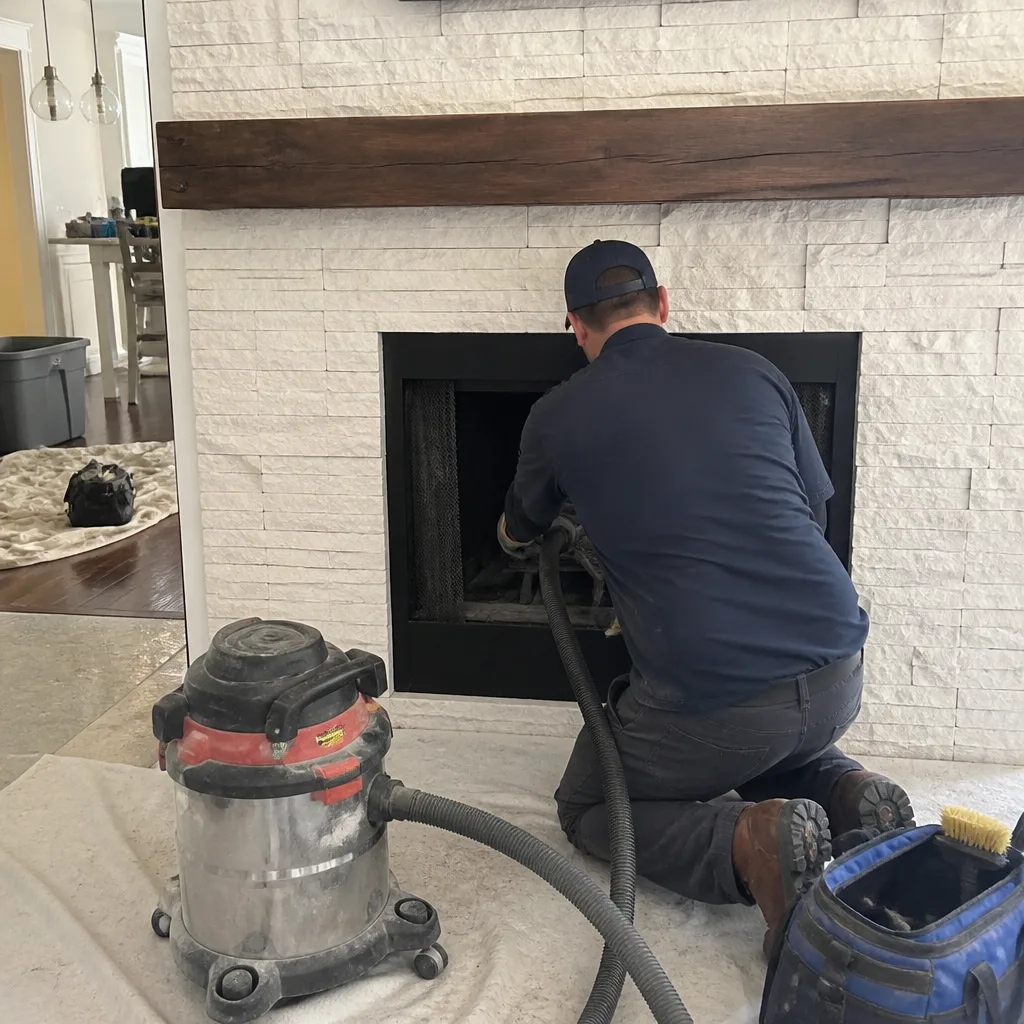 After
After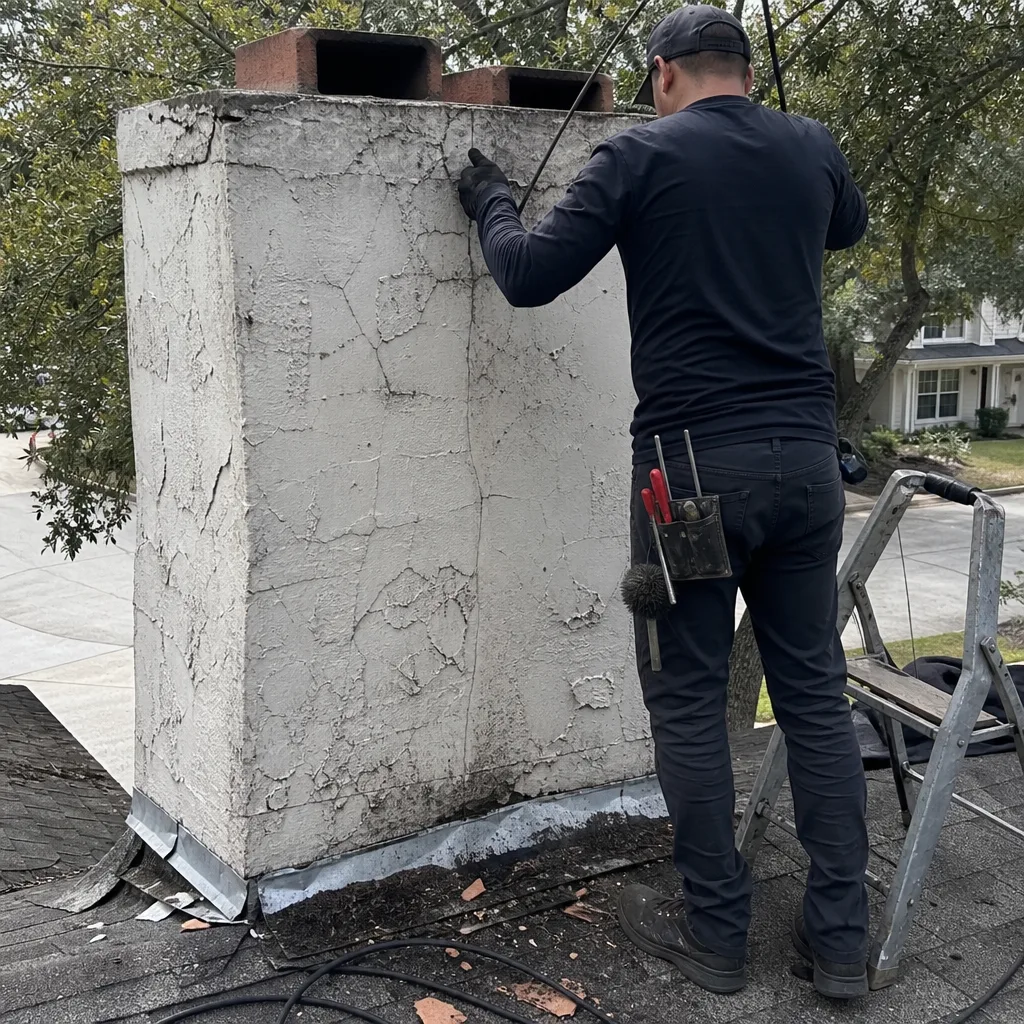 Before
 After
After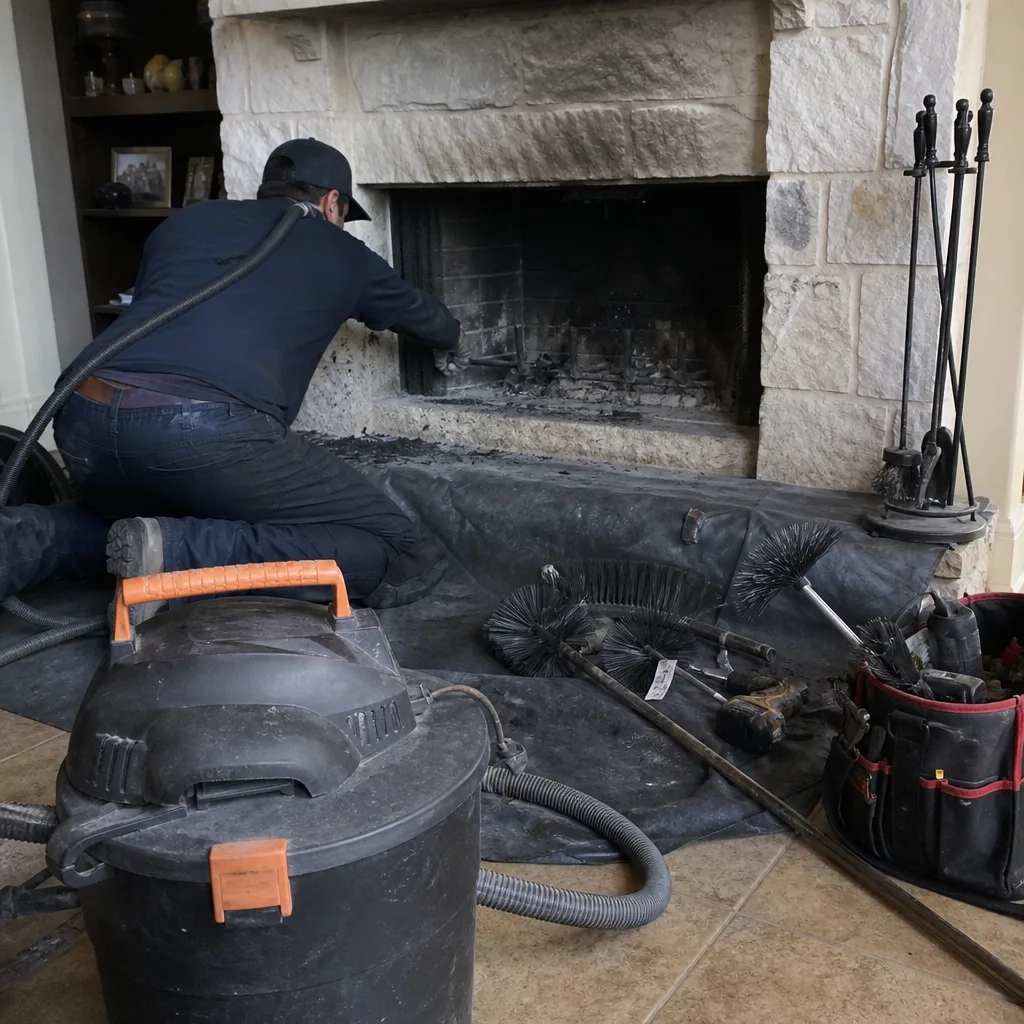 Before
 After
After