
Last updated October 15, 2026
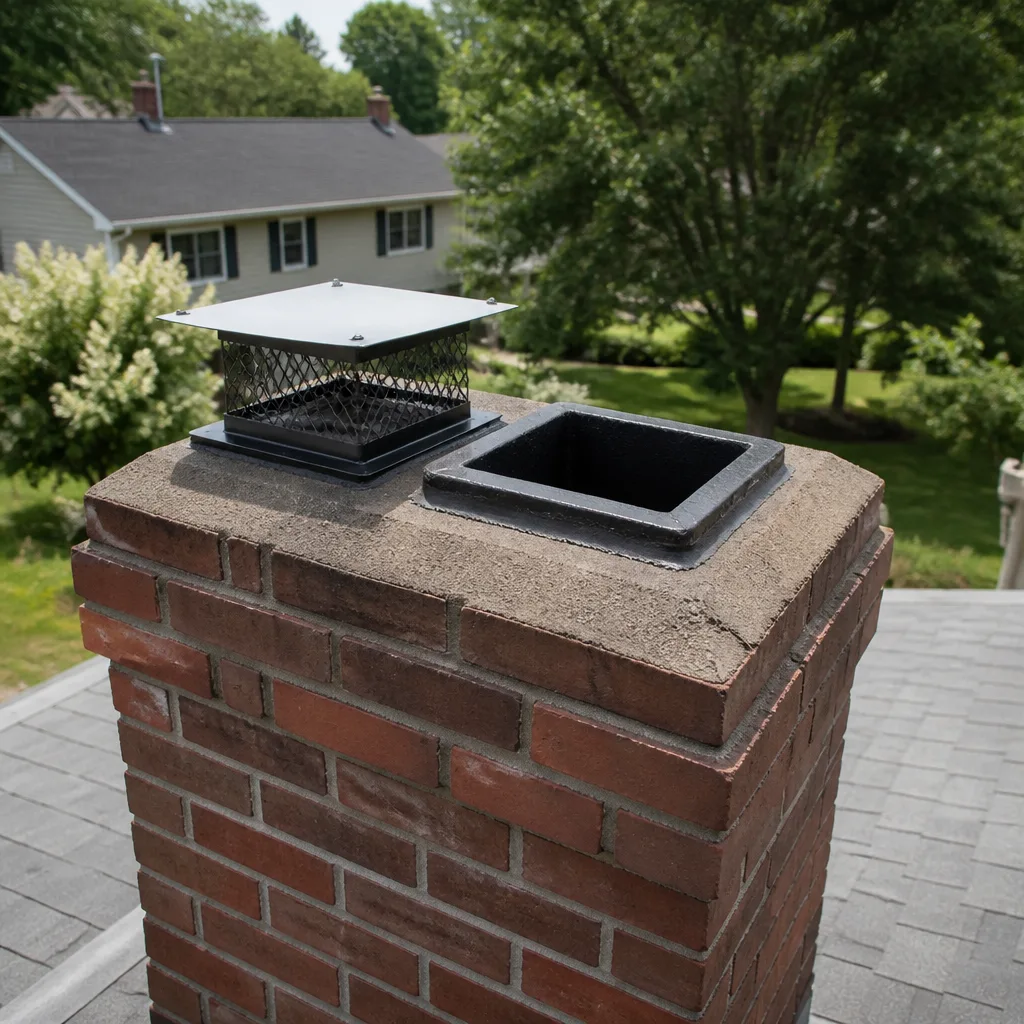 Sweep & inspection
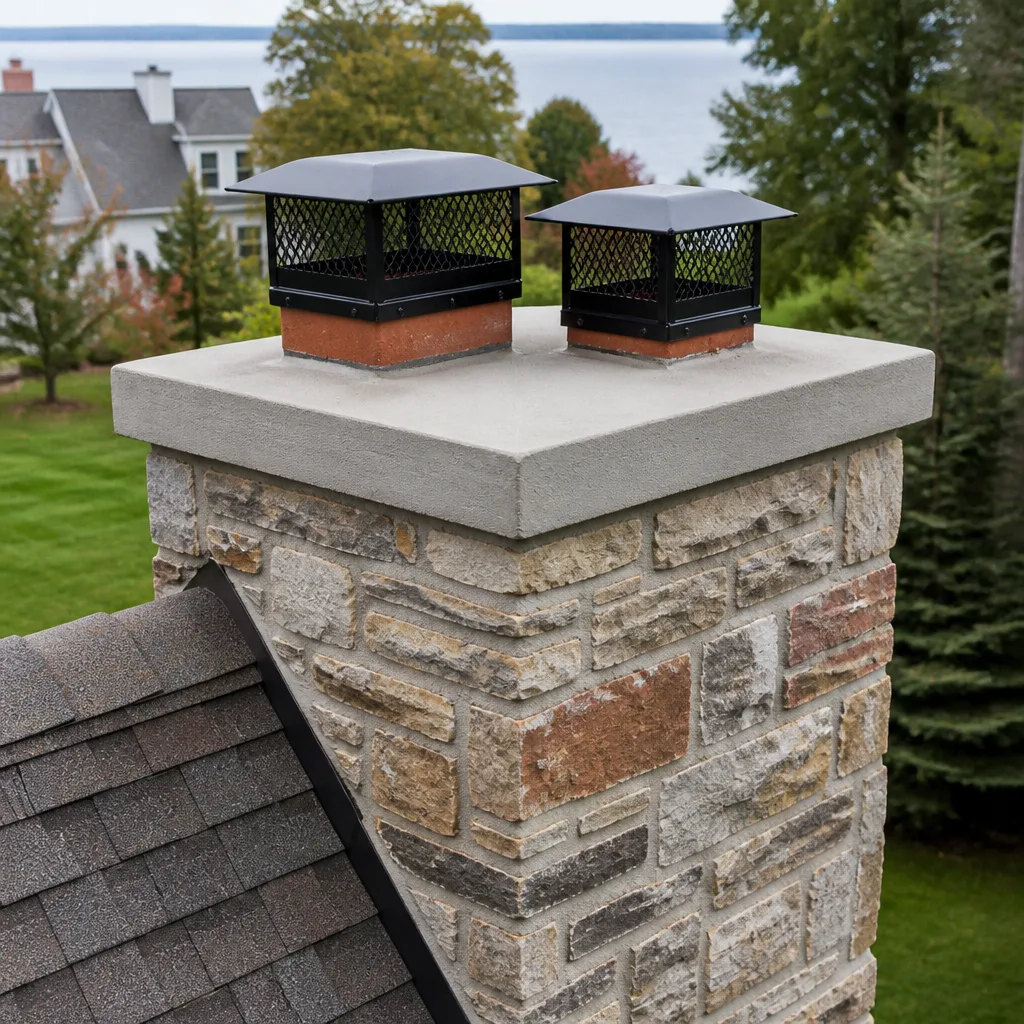 Caps & crowns
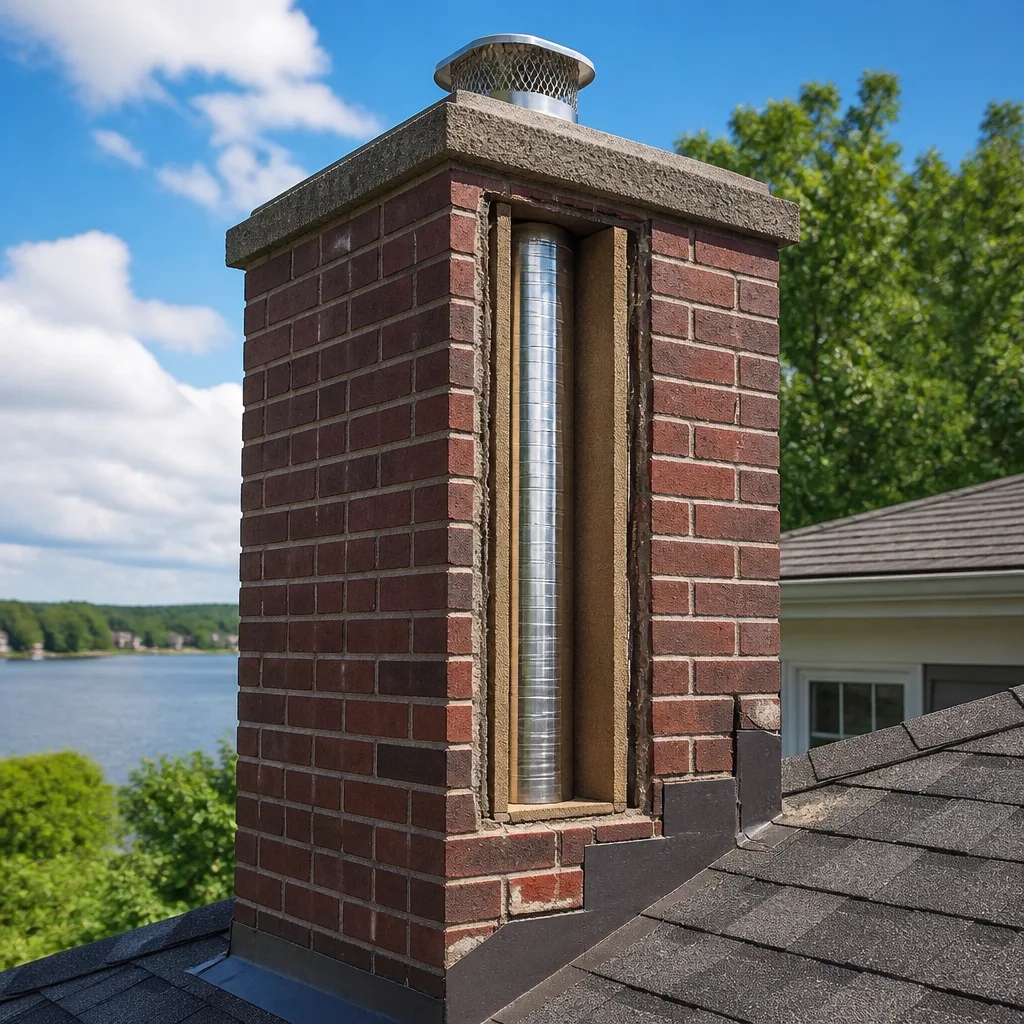 Flue relining
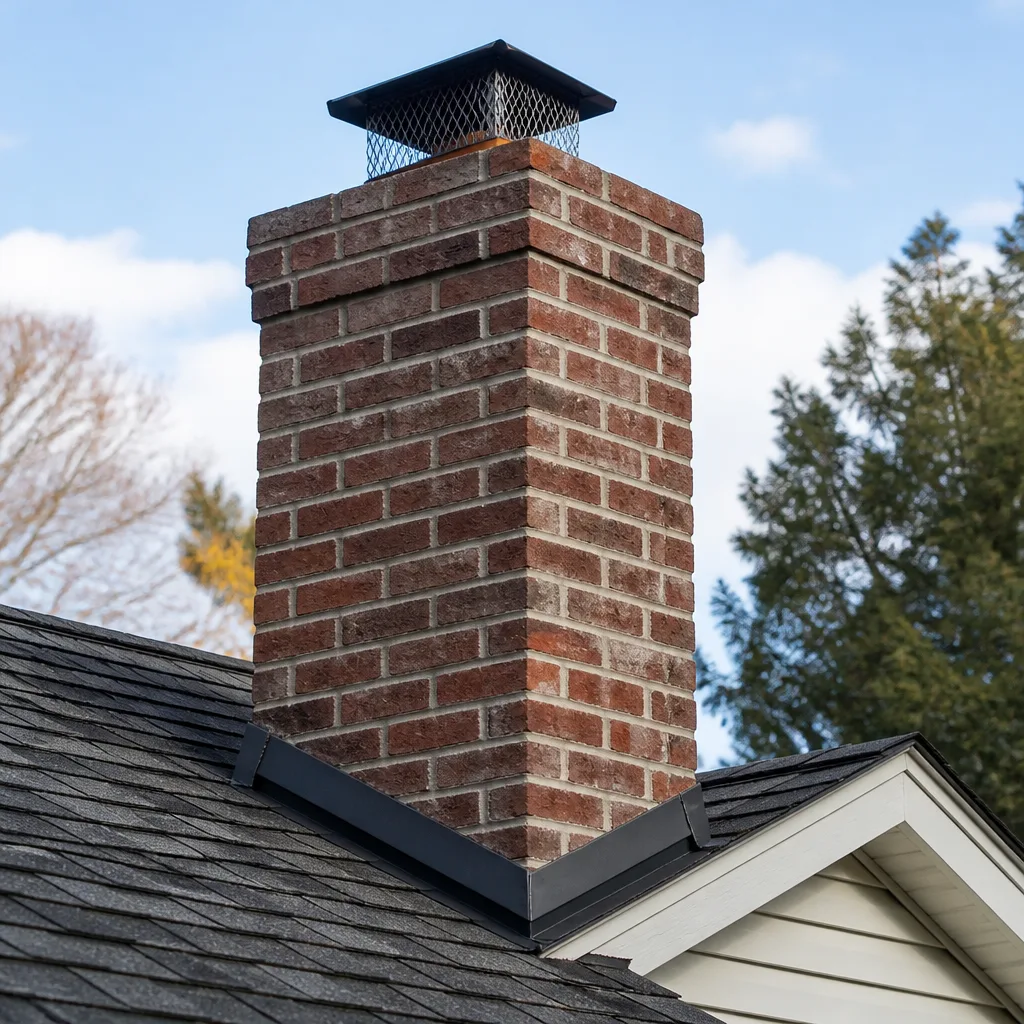 Masonry repair
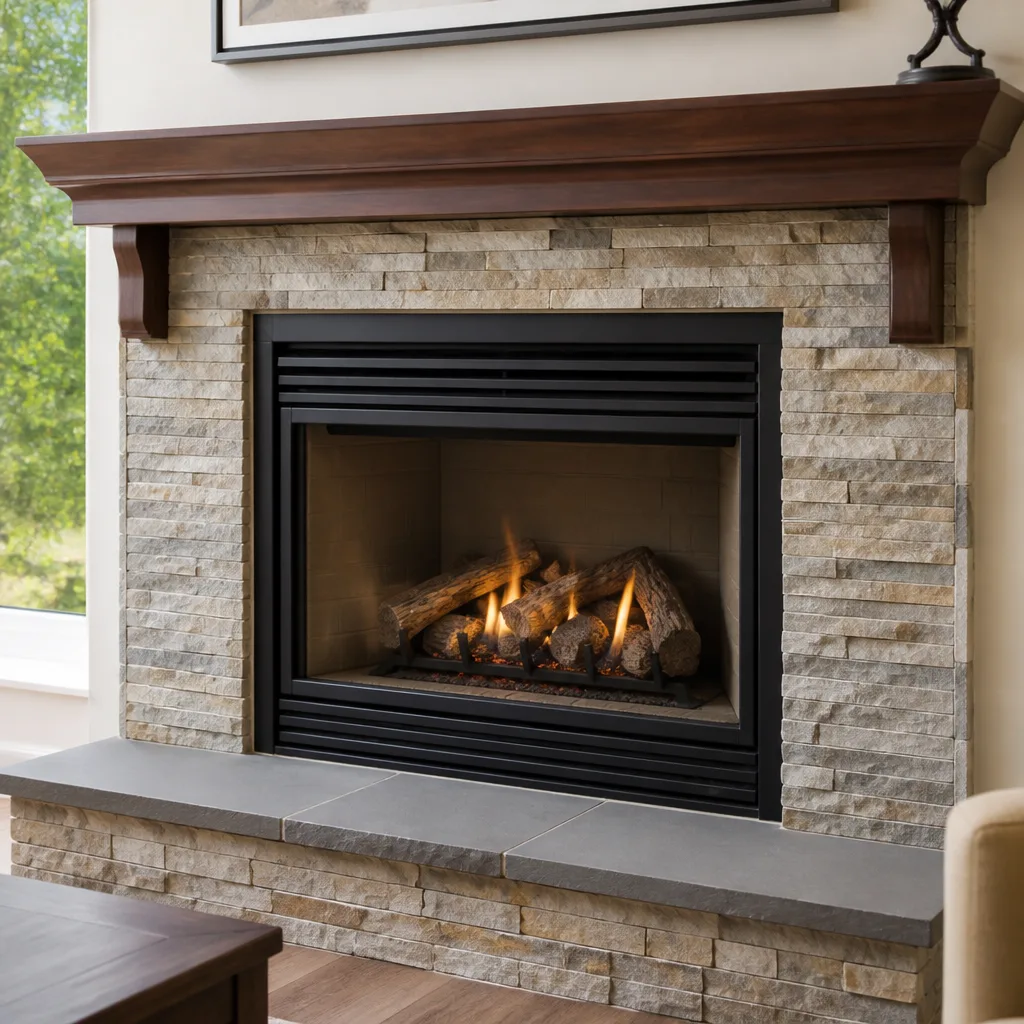 Gas fireplace service
Level 1 sweep and inspection to the NFPA 211 annual standard - flue, crown, cap, and flashing checked and photographed
Chimney sweep logs do not sweep chimneys. They loosen some creosote - which then falls where a brush and vacuum still have to collect it.
DIY vs Professional Chimney Cleaning: The San Antonio Homeowner’s Decision Guide
The chimney brush kit at Home Depot will clean stage-one creosote just fine. The problem is that nearly two-thirds of San Antonio chimneys that look like stage-one cases from the living room turn out to have stage-two deposits or structural issues that a brush won’t reveal and a homeowner can’t safely assess. This guide gives you the actual decision criteria we use as chimney professionals, so you can figure out whether a Saturday afternoon and $80 of equipment is genuinely enough, or whether you’re about to miss something that costs thousands later. For more guidance on choosing a professional, see our step-by-step resource. You’ll learn what DIY can realistically handle, what it can never touch in Texas, and how to inspect your own chimney well enough to know the difference.
Styles & brands we work with
Quick Answer
DIY chimney cleaning is genuinely viable for exactly one scenario in San Antonio: a wood-burning fireplace used fewer than 40 times per year, with no visible creosote glaze, no liner damage history, and a professional inspection within the last two years that found nothing. Every other situation, including gas fireplaces, wood stoves, any visible stage-two creosote, or an inspection older than two years, belongs in the hands of a professional with camera equipment and flue gauges. When in doubt, a sweep from Chimney Sweep in San Antonio costs less than most mid-range home upgrades and catches problems that brushes physically cannot reach.
Table of Contents
- The Honest Decision Matrix: Four Factors That Determine DIY Safety
- What DIY Actually Costs: The Real Equipment List, Not Just a Brush
- Stage-One vs Stage-Two Creosote: How to Tell What You’re Looking At
- What’s Always Outside DIY Scope in Texas
- What a DIY Session Can Actually Accomplish (And What It Misses)
- The Pre-Inspection: How to Photograph Your Chimney for a Smarter Professional Visit
- How San Antonio’s Climate Affects Creosote Buildup Differently Than You’d Expect
- Common Mistakes to Avoid
- When to Call a Professional
- Frequently Asked Questions
- The Bottom Line
The Honest Decision Matrix: Four Factors That Determine DIY Safety
A homeowner can safely clean their own chimney when four specific conditions all line up. Miss one, and the risk calculation changes. We’re not being protective of our trade here. We’re being honest about what we find when we open up chimneys in San Antonio homes after a DIY attempt.
Factor 1: Fireplace Type
Wood-burning fireplaces are the only realistic DIY candidates. Gas fireplaces are completely off the table, full stop. A gas log set or gas insert has burner assemblies, thermocouples, venting configurations, and clearance requirements that make brushing the flue genuinely dangerous. You can dislodge venting connections, damage the gas line, or knock a burner out of alignment, and then you’re calling a Gas Fireplace Repair in San Antonio technician for a repair that costs more than the sweep would have. Wood stoves are a gray zone. In theory they’re cleanable at home. In practice, their flue connectors and baffle systems trap creosote differently than open fireplaces, and most San Antonio homeowners who attempt it miss half the buildup.
Factor 2: Usage Frequency
The 40-fires-per-year threshold matters because creosote accumulation is a function of burn cycles. In San Antonio’s climate, most homeowners burn 20 to 60 fires per season, usually concentrated between late November and early February. If you’re under 40 burns and you burned dry, seasoned hardwood the entire time, you’ll likely produce stage-one creosote, which is fluffy, brown or gray, and mechanically removable with a brush. Above 40 burns, especially with any pine, oak that wasn’t fully seasoned, or those store-bought “fire logs” that promise low smoke, you’re drifting into stage-two territory. That’s the glaze. A brush won’t get it off. You need rotary tools or chemical treatments, and that’s professional equipment.
Factor 3: Last Professional Inspection Date
If a chimney professional inspected the flue with a camera within the last two years and documented zero issues, DIY is reasonable for light-use, wood-burning fireplaces. If that inspection is older than two years, or if it was a “Level 1 visual” that took ten minutes and didn’t involve a camera, DIY is a gamble. Here’s what we know from doing this since 2002: a Level 1 inspection can tell you something looks fine from the opening, but it cannot see the middle of the flue. We’ve pulled out broken flue tiles, cracks, and partial blockages from chimneys that owners thought were fine because a previous visual check said so. The two-year rule exists because flue conditions change slowly, and a clean bill from the camera gives you a baseline that lasts about that long before the next real look.
Factor 4: Visible Condition Indicators
Before you even decide, inspect what you can see without standing on the roof. Shine a flashlight up into the firebox. Look at the damper, the smoke shelf, and the lower flue. If you see anything that looks like glossy black tar, crusty orange-brown flakes, or white staining on the brick, those are red flags. Glossy is stage-two creosote. Flaking is sometimes stage-three creosote or damaged flue liner material. White staining on the exterior brick near the chimney is efflorescence, a sign that moisture is moving through the masonry, and that’s a structural question, not a cleaning question. Any of these, and DIY is out. Call us instead.
What DIY Actually Costs: The Real Equipment List, Not Just a Brush
The Home Depot kit sells for $35 to $60 and includes a brush, some fiberglass rods, and maybe a tarp. That’s about a third of what you actually need. Here’s the honest inventory for a DIY cleaning that won’t leave your living room looking like a creosote bomb went off, along with realistic San Antonio pricing.
- Chimney brush kit (polypropylene for masonry flues, sized to flue diameter): $40 to $70. Metal brushes run higher, and using a metal brush on a clay tile liner can scratch the surface and actually make creosote stick faster next season.
- HEPA-filter shop vacuum: $120 to $300. This is non-negotiable. Creosote dust is fine, sticky, and carcinogenic. Regular shop vac filters recirculate those particles into the room. You need a HEPA rating to actually contain it, and even then you’ll spend time wiping surfaces afterward.
- Canvas drop cloths, 9×12, two or more: $40 to $80. Creosote dust travels. Canvas catches it better than plastic, which slips and allows dust to migrate underneath.
- Inspection mirror, extendable, with LED light: $20 to $40. This is how you’ll examine the area above the damper before and after brushing.
- Shop light or work light: $30 to $60. You need serious lumen output to see into the flue from the firebox.
- Extension ladder to access the roof (if cleaning top-down): $150 to $300, or $40 to $65 per day rental. San Antonio’s mix of one- and two-story ranches and newer two-story builds means you’ll need a 24-foot ladder for most rooflines. Second-story chimney access from a 6:12 roof pitch is not the place to learn ladder safety.
- Dust mask rated for fine particulates, N95 or better: $25 for a pack. Paper masks don’t filter creosote dust.
Total realistic startup cost for a first-time DIY chimney cleaning in San Antonio: $300 to $550, assuming you own none of the ancillary equipment. A standard professional sweep from Alcott typically runs $200 to $350 before any repairs in the San Antonio market. See our Chimney Cleaning Cost Breakdown for San Antonio for a full 2026 pricing reference. The math changes when you already own most of the equipment, which is why repeat DIY cleaners exist. But what you cannot buy for that $550 is a camera inspection of the flue interior, which is included in our sweep price and finds the stuff you can’t see from either end.
Stage-One vs Stage-Two Creosote: How to Tell What You’re Looking At
Creosote, by the way, is the tar-like buildup that condenses inside your chimney when wood smoke cools against the flue walls. It’s the single most common cause of chimney fires in Texas, and it builds in two distinct stages that require very different responses.
Stage-One Creosote: Fluffy, Grainy, Dusky
This forms when smoke temperature stays high enough that partially burned wood particles condense as dry soot. It looks matte, feels powdery or flaky, and ranges in color from gray to brown. It scrapes off easily with a nylon or poly brush. This is the stage that DIY cleaning genuinely handles. If you see stage-one buildup up to about a quarter-inch thick, and you’re in that under-40-burns scenario, the brush will do its job.
Stage-Two Creosote: Glossy, Black, Hard
This forms during lower-temperature burns, especially when wood isn’t fully seasoned, when you close the damper too early, or when you burn those compressed sawdust logs that promise “consistent burn times” but actually just smolder. Stage-two looks like tar. It’s black, it shines when your flashlight hits it, and it adheres to flue tiles like glaze. A brush skids over the surface without removing it. In San Antonio’s older homes, particularly those built in the 1960s and 1970s neighborhoods like Oak Hills and El Dorado, stage-two creosote is common because the flues run longer and cooler than modern designs.
Stage-Three Creosote: The Fire Waiting to Happen
Stage-three is stage-two that’s been baked repeatedly until it becomes a thick, hardened, candied shell. It reduces flue diameter, insulates heat, and can ignite at temperatures well within a normal fire’s range. We see this most often in fireplaces that get heavy use with cheap, unseasoned wood, particularly in San Antonio neighborhoods where oak from Hill Country suppliers hasn’t been split and stacked long enough. Stage-three removal requires rotary chains or chemical treatments, both professional-only methods. If you’re seeing anything that looks like hardened black candy in your flue, stop burning immediately and call us.
What’s Always Outside DIY Scope in Texas
Three things are never DIY territory, regardless of your comfort level, equipment, or YouTube research.
1. Liner Inspection and Assessment
The flue liner is the fireproof channel inside your chimney. In Texas, liners are typically clay tile in older homes or stainless steel in newer construction and retrofits. A liner can crack from thermal shock, freeze-thaw cycles (yes, San Antonio gets them, especially during February cold snaps), or simple age. Clay tile liners in 40- to 60-year-old San Antonio homes are beyond their design life in many cases, and cracks in those tiles allow heat and combustion gases direct contact with the surrounding masonry and framing. You cannot see those cracks with a flashlight. You cannot see them from the roof. You need a camera. Our Chimney Inspection in San Antonio service includes camera documentation of the entire flue, and you get photos of whatever we find, so nothing is recommended without evidence you can see for yourself.
When liners fail, the repair is a stainless steel relining system like a product from Olympia Chimney, and that is a professional installation, not a brush-and-pray situation. If a liner has failed and someone tells you a sweep will fix it, get a second opinion. Sweeping cleans. It doesn’t repair. Different things.
2. Firebox Refractory Assessment
The firebox is the chamber where the fire actually burns. It’s lined with firebrick and refractory mortar, and those materials degrade over time. Cracks in the firebox can allow heat to reach combustible framing behind it. Mortar joints crumble. Panels shift. You’ll notice cracks, but you won’t know whether they’re cosmetic surface lines or structural failures without understanding how the firebox was constructed. That assessment is part of every inspection we do, and it’s the difference between a $250 sweep and a $15,000 firebox rebuild, which is why we tell every homeowner what we recommend, what we’d watch, and what can safely wait. Some things can wait. A cracked firebrick that isn’t shifting can usually wait a season. A displaced rear wall cannot.
3. Gas Appliance Service
Again: gas fireplaces, gas logs, and gas inserts are never DIY-serviceable, not for cleaning and not for anything else. A gas appliance has combustion air requirements, burner port alignment, venting clearances, and pilot assembly tolerances that a wire brush will damage. Beyond the functionality risk, there’s a carbon monoxide risk if a vent connection gets dislodged and combustion gases vent into the house instead of up the flue. San Antonio homes with vent-free gas logs have a different consideration: those units generate moisture and combustion byproducts directly into the living space, and they need regular inspection of the ODS sensor and burner condition. None of that is a brush job. It’s a gas service call, and our gas fireplace technicians in San Antonio handle it, including testing combustion and verifying clearances before leaving.
What a DIY Session Can Actually Accomplish (And What It Misses)
Let’s be fair about what a competent, careful homeowner with good equipment can achieve in three to four hours.
The DIY Checklist: What You Can Do
- Remove loose, stage-one creosote and soot from the firebox, smoke shelf, and lower flue using the brush and rods.
- Vacuum the firebox and surrounding hearth area with a HEPA-filter vacuum.
- Check the damper for smooth operation and clear any debris that’s blocking it from fully opening or closing.
- Photograph visible areas above the damper with your inspection mirror and flashlight.
- Assess the chimney cap from the ground or a ladder (staying off the roof unless you have proper fall-protection equipment and experience on pitched roofs).
- Remove any small debris, bird nesting material, or acorn hoards around the smoke shelf, which is squirrels’ favorite San Antonio subdivision.
The DIY Blind Spots: What You’ll Miss Without Professional Equipment
Here’s the honest list, based on what we find when we follow up on DIY jobs in San Antonio.
- Mid-flue cracks and gaps. The brush passes over them. A camera sees them. You’ll never know they’re there.
- Stage-two creosote disguised as stage-one. From the firebox, looking up, you see a thin layer of dust. Above the first bend, where the flue runs cooler, the glaze starts. It’s a frequent pattern in two-story San Antonio homes with long flue runs.
- Smoke shelf buildup. The smoke shelf is the ledge designed to catch falling debris. It’s where creosote concentrates, and it’s hard to reach with a brush from either direction. We use a combination of tools and camera verification to get it clean. Most DIY attempts don’t touch it.
- Chimney cap obstruction. San Antonio’s wind and storms push leaves, twigs, and occasionally animal nests into caps. If you don’t go up and open the cap, you won’t know whether the top is blocked until your living room smokes up.
- Flashing and masonry water intrusion. Not technically a cleaning issue, but we see it during every sweep. Cracks in the crown, loose flashing, missing mortar joints. Water is the number one enemy of San Antonio chimneys, and catching it early prevents everything else from getting worse.
The Pre-Inspection: How to Photograph Your Chimney for a Smarter Professional Visit
If you land on the DIY side of this decision, here’s how to use the opportunity intelligently. The best reason for a cautious homeowner to attempt DIY is not to avoid paying a sweep. It’s to gather information that makes the eventual professional visit more productive and honest. Here’s what we tell San Antonio homeowners to photograph before calling us.
What to Photograph
- The firebox in full frame, well-lit, showing the side walls, back wall, floor, and hearth. This establishes baseline condition.
- The damper from below, open and closed. We want to see rust, warping, debris, or missing handle components.
- The smoke shelf, using your inspection mirror and flashlight, angled upward. Even a partial view helps us understand what we’re likely to encounter.
- The visible lower flue, as far up as your mirror will show. Look for color changes: gray-brown is normal, glossy black is not.
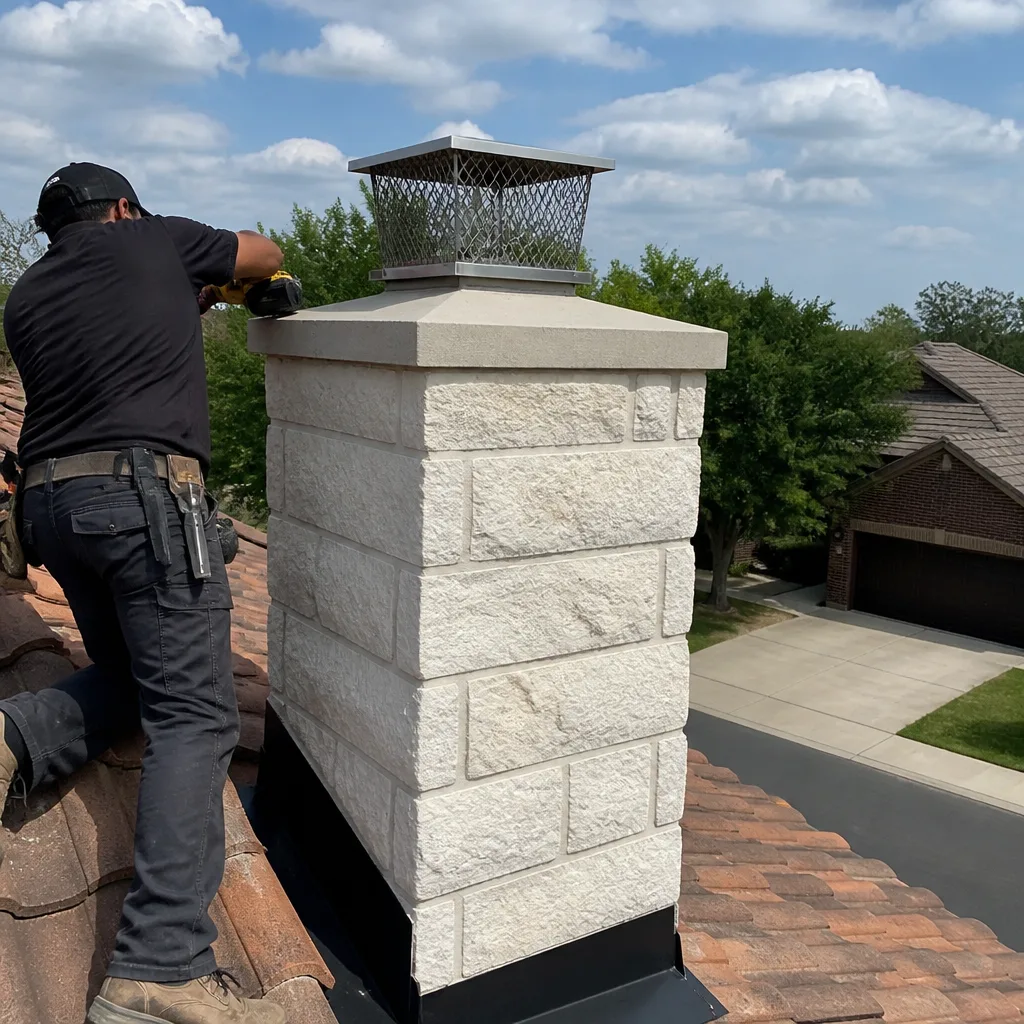
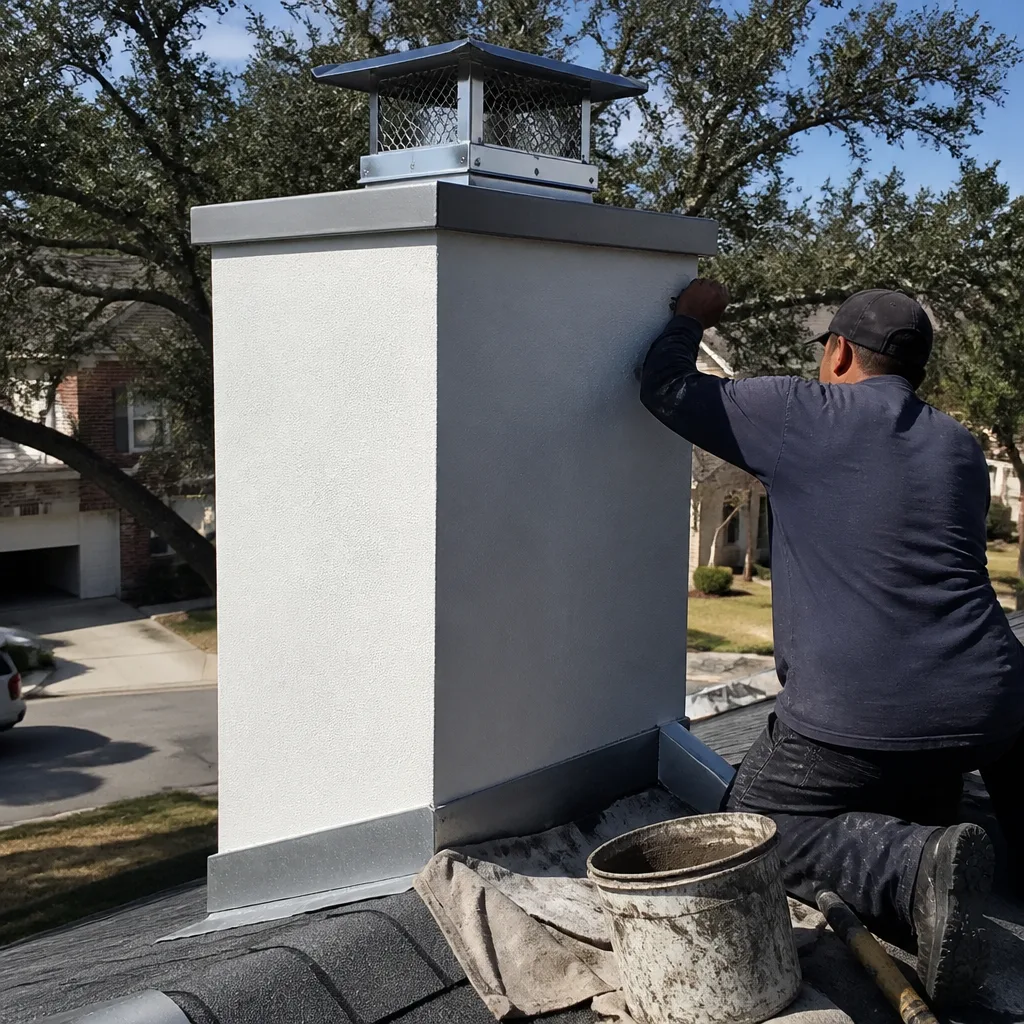
- The chimney cap and crown, from the ground with a zoom lens or from a safe ladder position. We want to see whether the cap is intact, whether the crown has cracks, and whether the mortar joints look full.
- Any exterior brick staining, especially white efflorescence or dark streaks. These tell us about moisture movement before we ever get on the roof.
What These Photos Answer
When you call us with these photos, we can have a real conversation. We can tell you whether your creosote looks stage-one or stage-two enough to justify immediate service. We can tell you whether the cap looks like it needs replacement this year or has another season in it. We can give you a more accurate estimate over the phone than “it depends.” Photos change the entire interaction from a sales call into a diagnostic discussion. Any chimney company in San Antonio that’s worth hiring will welcome them. Avoid anyone who won’t look at your photos or who insists on quoted pricing without seeing the job. That’s not how honest chimney work operates.
How San Antonio’s Climate Affects Creosote Buildup Differently Than You’d Expect
San Antonio’s climate doesn’t match the “chimney country” model that most chimney advice assumes. We don’t have six-month burning seasons like Minnesota or Vermont. We have short, intense bursts of fireplace use between December and February, with occasional cold snaps in November and March. That intermittent pattern creates a particular problem: the fires we do burn are often low and lazy because the house doesn’t need maximum heat. The flue never gets hot enough for long enough to burn off early creosote deposits, so stage-one builds and compactifies even with limited use.
Humidity compounds it. San Antonio’s relative humidity averages around 67 percent across the winter months, and creosote absorbs moisture from the air. That makes it stickier, denser, and more resistant to simple brushing than creosote in dry northern climates. A chimney that would take twenty minutes to brush in Denver can take an hour in San Antonio because the deposits grip the flue differently. It also means creosote’s corrosive effect on mortar and metal runs faster here. The moisture in the air activates creosote’s acidity, degrading flue tiles and metal dampers more quickly than the same amount of creosote would in a dry climate.
Then there’s the Hill Country oak factor. Most San Antonio firewood comes from live oak, red oak, and post oak harvested within a hundred miles. Oak is dense, long-burning fuel, excellent for heat, but only if it’s been split and seasoned for at least 12 to 18 months. The firewood sold in bundles at grocery stores, the wood sold by the pickup load from roadside vendors, and even some of what tree services drop off is green. Green oak smolders, produces heavy smoke, and deposits stage-two creosote at an accelerated rate. If you’ve been burning oak that sizzles and hisses when you light it, you have stage-two deposits, full stop. That’s not alarmist. It’s chemistry.
We see this concentrated in San Antonio neighborhoods with mature oak canopies, places like Alamo Heights, Terrell Hills, and the older sections of Monte Vista, where homeowners have access to oak and use it enthusiastically. The chimneys we sweep in those areas carry heavier deposits for their burn frequency than equivalent homes in drier parts of Texas. If you live under oak canopy and burn wood you didn’t split yourself two years ago, lean toward professional cleaning even if your usage is under 40 fires per season. The fuel quality shifts the math.
Common Mistakes to Avoid
- Brushing a chimney without knowing the flue diameter. Using an undersized brush gives false confidence; it polishes a stripe down one side of the flue and leaves the rest untouched. Using an oversized brush jams in the flue, and extracting it from a San Antonio rooftop in February is a miserable afternoon.
- Cleaning from the bottom without a proper drop-and-vacuum setup. Creosote dust suspended in your living room air will settle on every surface. You’ll find it on bookshelves in rooms you never entered. HEPA containment or don’t bother.
- Using a metal brush on a clay tile liner. This scores the surface, creating micro-grooves where creosote catches and rebuilds faster. Poly brushes are correct for masonry flues. Metal brushes are for stainless liners only, and only when the liner’s warranty permits.
- Skipping the roof inspection because the firebox “looks fine.” Chimney fires start where you can’t see from the living room. The cap, crown, and top courses of brick tell you more about the system’s health than the firebox does.
- Treating a chimney sweep as optional after buying a house. San Antonio home inspectors do not typically include Level 2 camera chimney inspections in a standard pre-purchase inspection. You may have closed on a house with a chimney that has never been camera-inspected. That’s a sweep-plus-inspection job before your first fire.
- Burning that “free wood” from the neighbor’s tree removal without seasoning it. Green wood produces massive creosote volumes. Free wood that costs you a $4,000 liner replacement later is not free.
- Associating smoke smell with “the chimney needs a sweep” instead of identifying the actual cause. Sometimes smoke smell means drafting problems, not dirty flue. A chimney that can’t draft will smoke regardless of how clean it is. That’s a diagnosis, not a cleaning issue.
When to Call a Professional
Call a chimney professional if any of these applies: visible glossy black creosote, an inspection older than two years, a gas fireplace or insert, any doubts about liner condition, any smoke draft problems, or a chimney that hasn’t been cleaned since you bought the home. Also call if you simply don’t want to spend $300 to $550 on equipment, a Saturday on a ladder, and an evening vacuuming creosote dust off every horizontal surface in the front room. The economics support professional cleaning for most San Antonio homeowners. A sweep from Alcott Chimney San Antonio runs $200 to $350 before repairs, includes camera inspection with photo documentation, and involves zero ladder time for you. We’ll give you a written price before any work begins, always. Call (903) 515-5079 for a free estimate, or reach us through the Alcott Chimney San Antonio home page.
Frequently Asked Questions
A standard chimney sweep in San Antonio typically runs $200 to $350 before any repairs, depending on flue length, creosote stage, and accessibility. Alcott’s price includes camera inspection and photo documentation, so you’re not paying a separate inspection fee. Call (903) 515-5079 for a written quote, with no surprise charges at the end.
The National Fire Protection Association standard is annual inspection, with sweeping as needed based on what the inspection finds. In San Antonio’s intermittent burning climate, most wood-burning fireplaces need sweeping every two to three years, while gas fireplaces need annual service regardless of usage. If you burn unseasoned oak or store-bought fire logs regularly, err toward annual.
Sometimes yes, sometimes no, and you should demand camera evidence before agreeing to any liner work. Hairline cracks in a clay tile liner can safely wait in some cases. Gaps, offset sections, or visible daylight through the liner are different. Any chimney company telling you a liner replacement is needed should show you photos of the damage and explain why it can’t wait. We show every customer their camera footage. If they can’t show you pictures, get another opinion.
Stage-one creosote becomes stage-two, which becomes stage-three, and stage-three can ignite at temperatures inside a normal fire’s range. A chimney fire can crack liners, damage the masonry, spread to the roof structure, and in the worst cases breach the building. More commonly, you’ll notice declining draft, smoke entering the home, and eventually a repair bill that dwarfs the cost of regular sweeping. The most expensive chimney work we do in San Antonio is on homes where sweeping was deferred for a decade.
No, and that’s the problem. Standard Texas home inspections often include a visual look at the fireplace and chimney from the ground, but a Level 2 camera inspection of the flue interior is usually a separate service that most buyers don’t request. If you’re buying a home in San Antonio with a fireplace, schedule a chimney inspection before close if possible, or budget for one in your first months. Finding a failed liner or firebox damage before you own the house changes the negotiation. After close, it changes your fire season plans.
Yes, bottom-up cleaning is possible with the right rod system, but it’s messier and less complete than top-down, and it requires a high-tension seal around the firebox opening to contain dust. Most homeowners who attempt bottom-up cleaning end up with creosote dust throughout the room despite the best tarps. The top-down method is cleaner and more thorough but requires roof access. Both are achievable for a careful DIY cleaner, but both omit the camera inspection that distinguishes a swept chimney from a verified-safe chimney.
The Bottom Line
DIY chimney cleaning is not a scam and not a reckless choice when the conditions genuinely fit: wood-burning fireplace, under 40 burns annually, dry seasoned wood, no visible glaze, and a professional camera inspection within two years that found nothing. If even one of those conditions fails in San Antonio, especially given our humidity, green oak supply chains, and older housing stock’s aging clay liners, the professional route is the honest answer. A sweep costs less than the equipment you’d buy to do it once, includes verification you cannot get on a ladder, and catches the hidden problems before they become fire season emergencies. If you’re not sure which bucket you’re in, call (903) 515-5079. We’ll tell you the truth either way, and we’ll never recommend work you can’t see for yourself. Browse more guides & resources on chimney care and home safety.
Written by Ruben Castellano, Owner at Alcott Chimney San Antonio, serving San Antonio since 2002.
See the difference
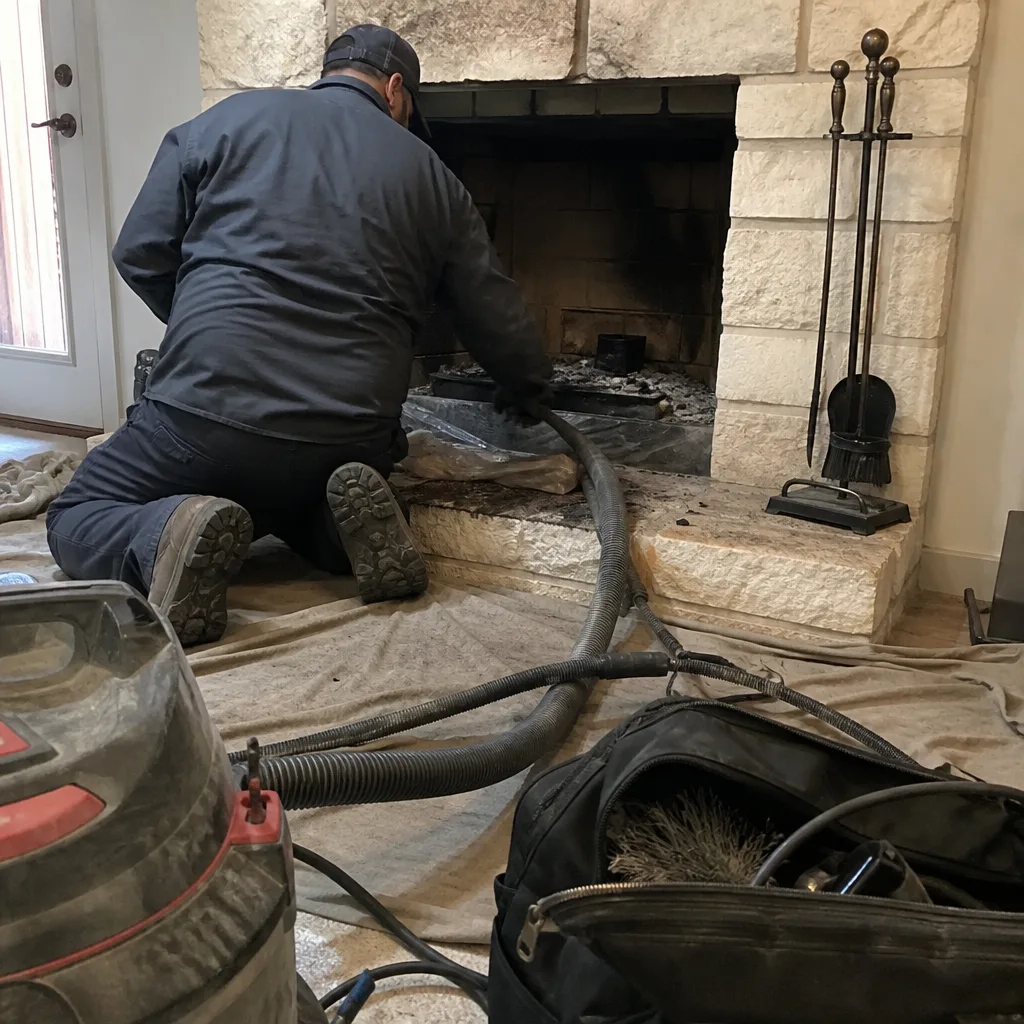 Before
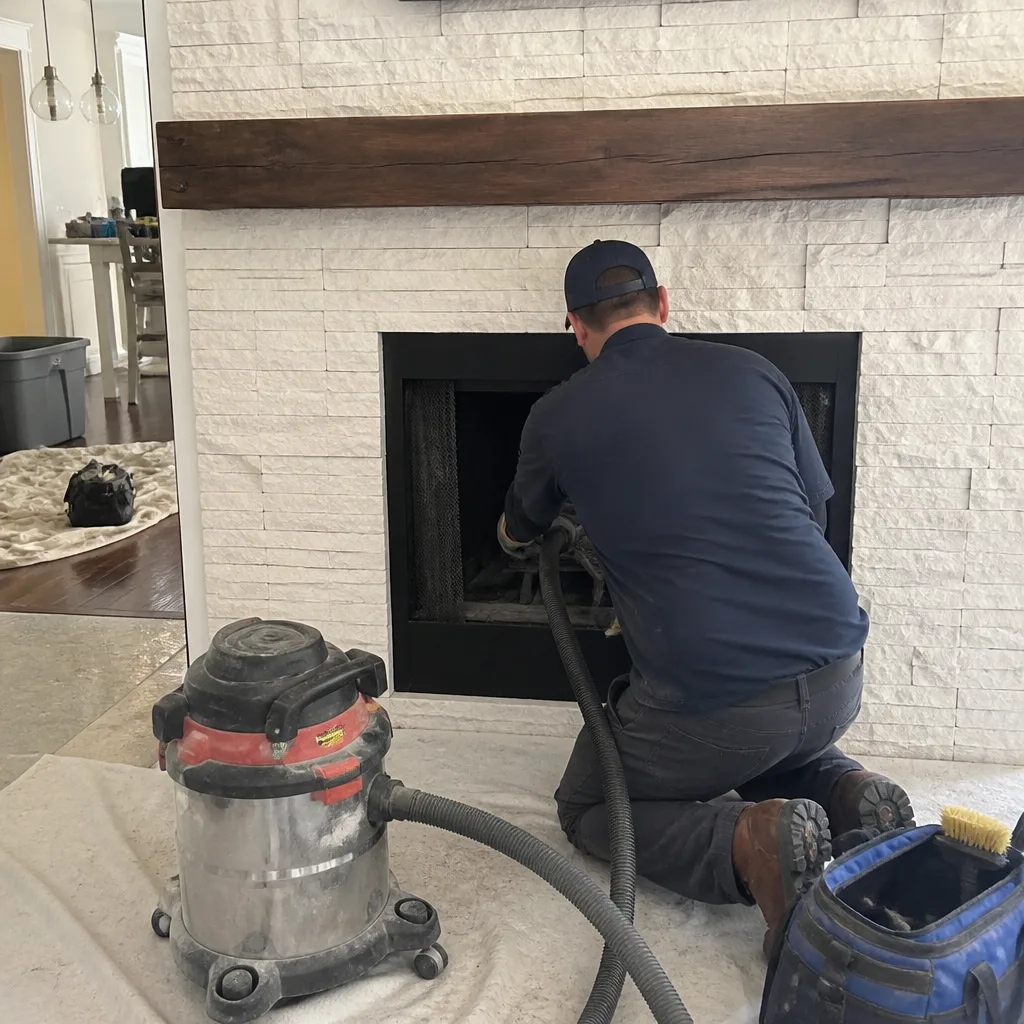 After
After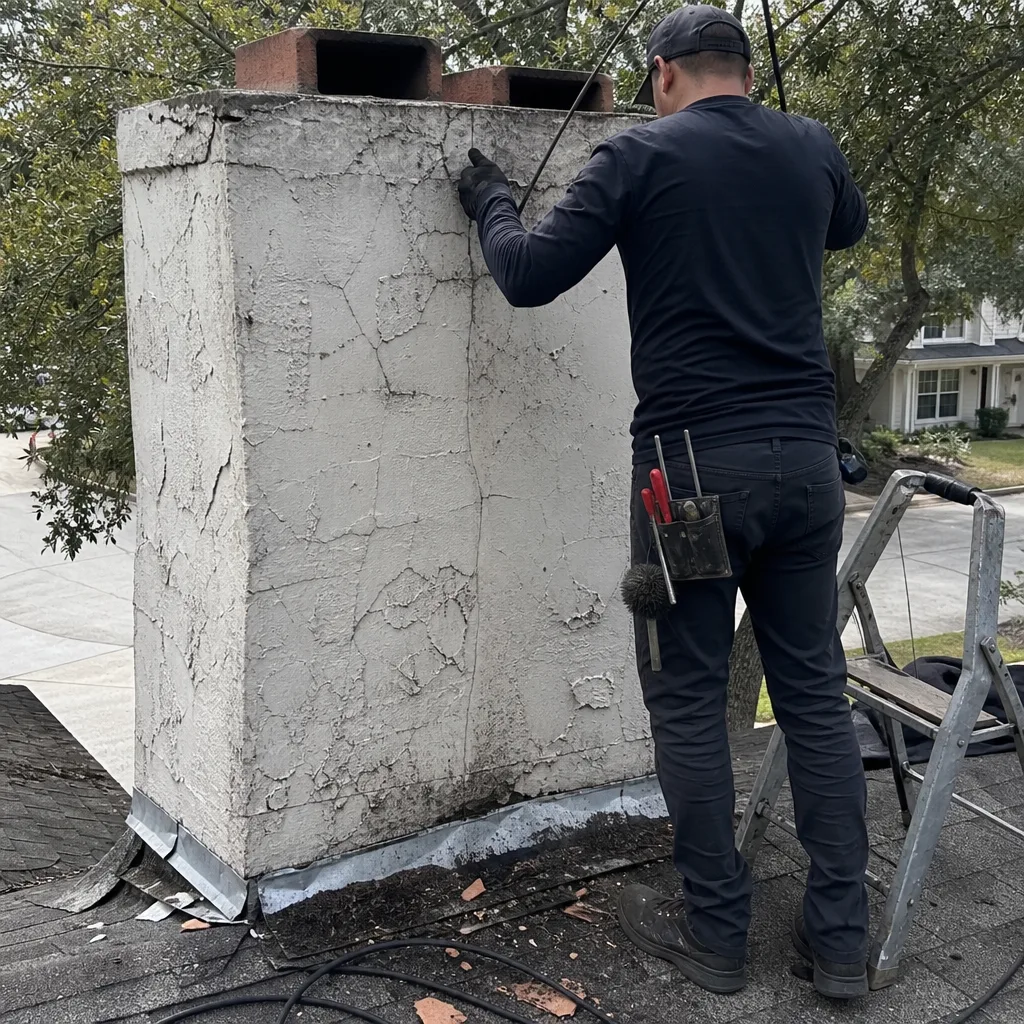 Before
 After
After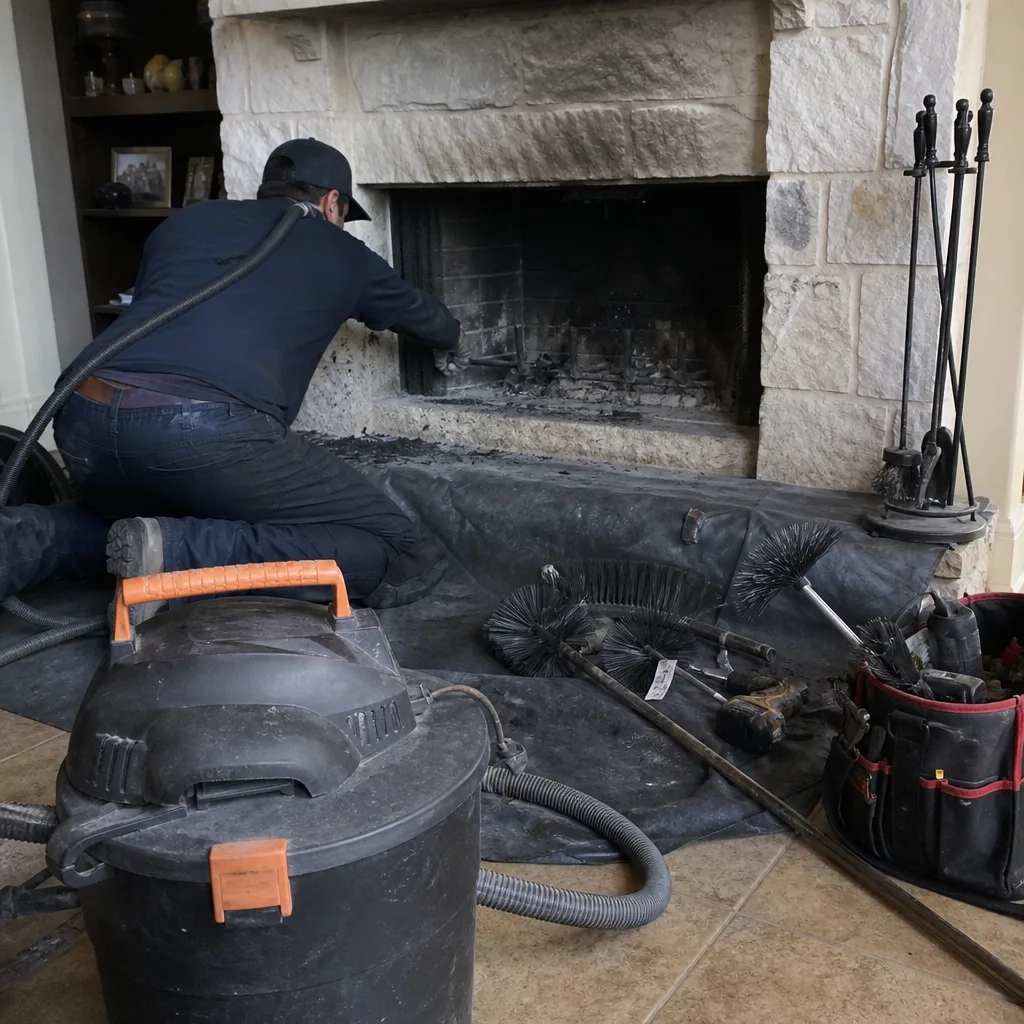 Before
 After
After