
Last updated October 15, 2026
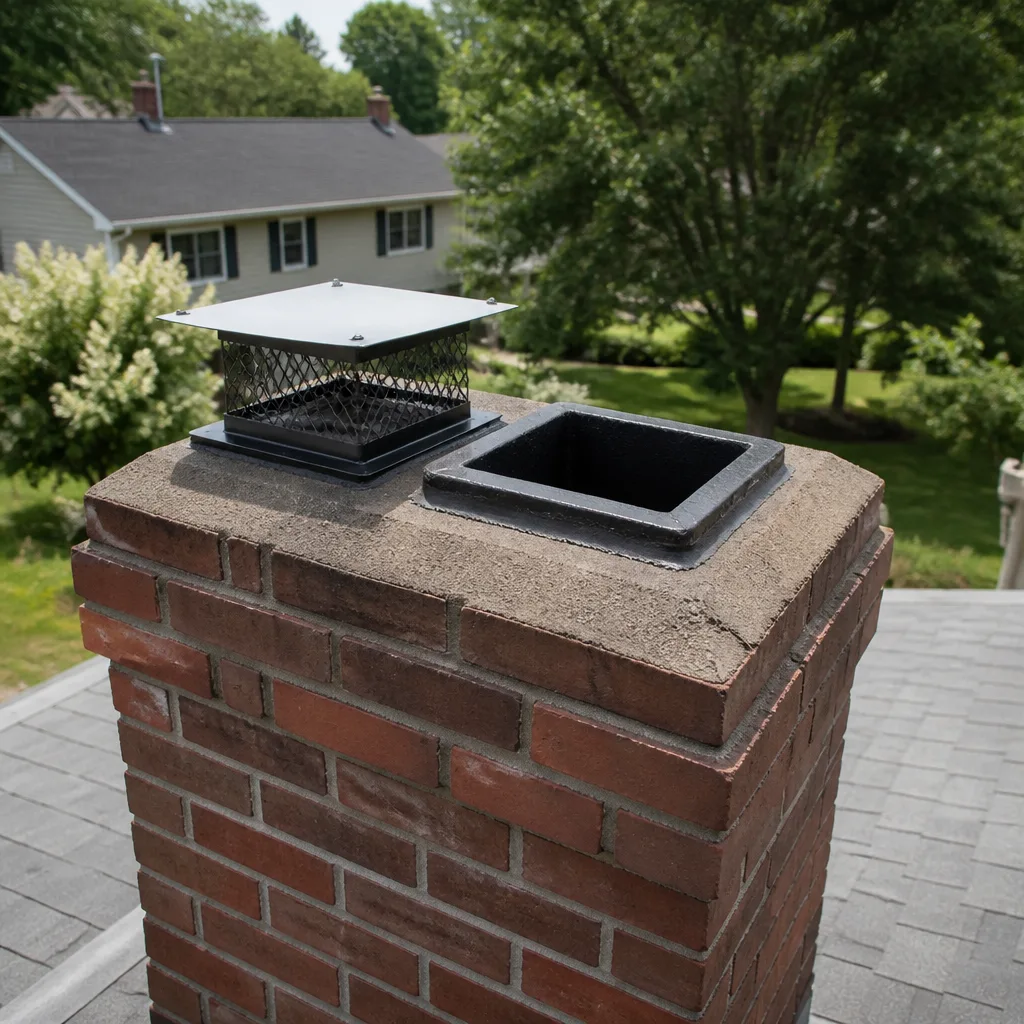 Sweep & inspection
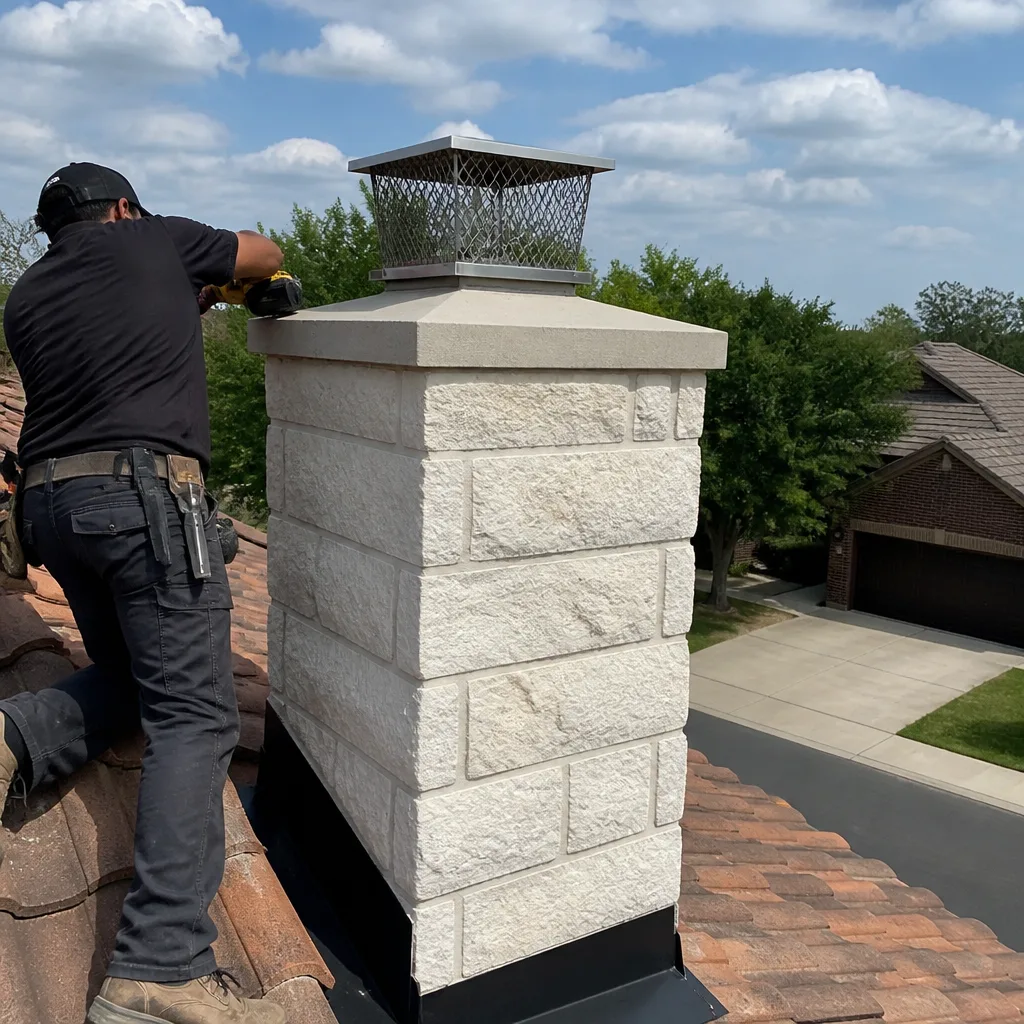
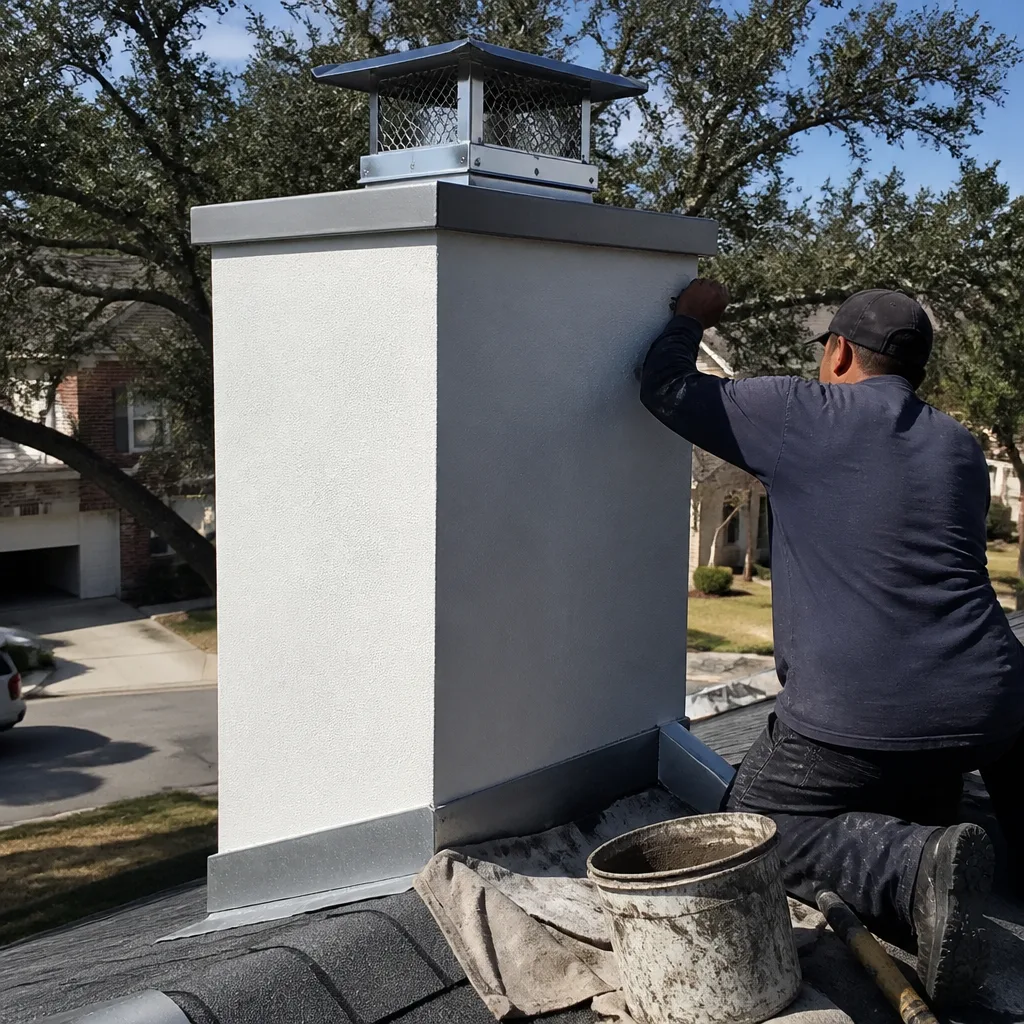
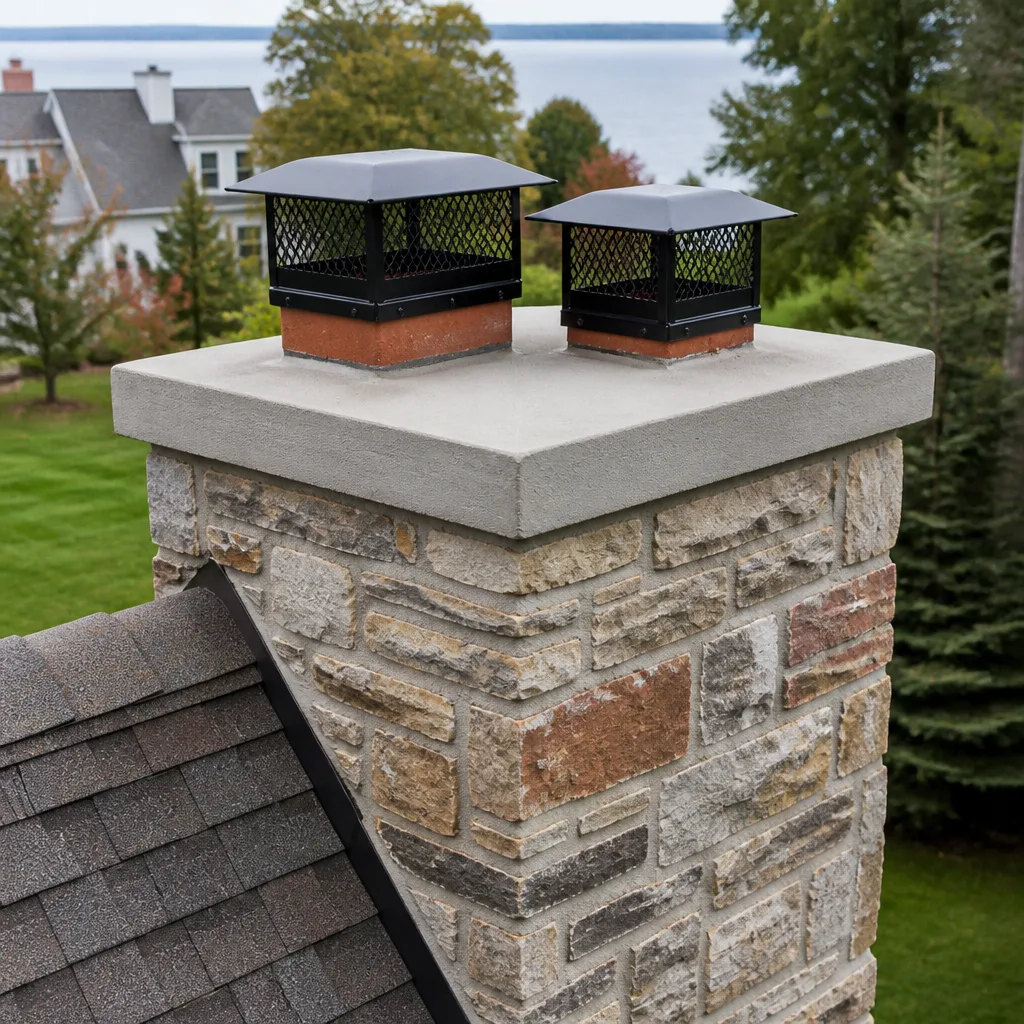 Caps & crowns
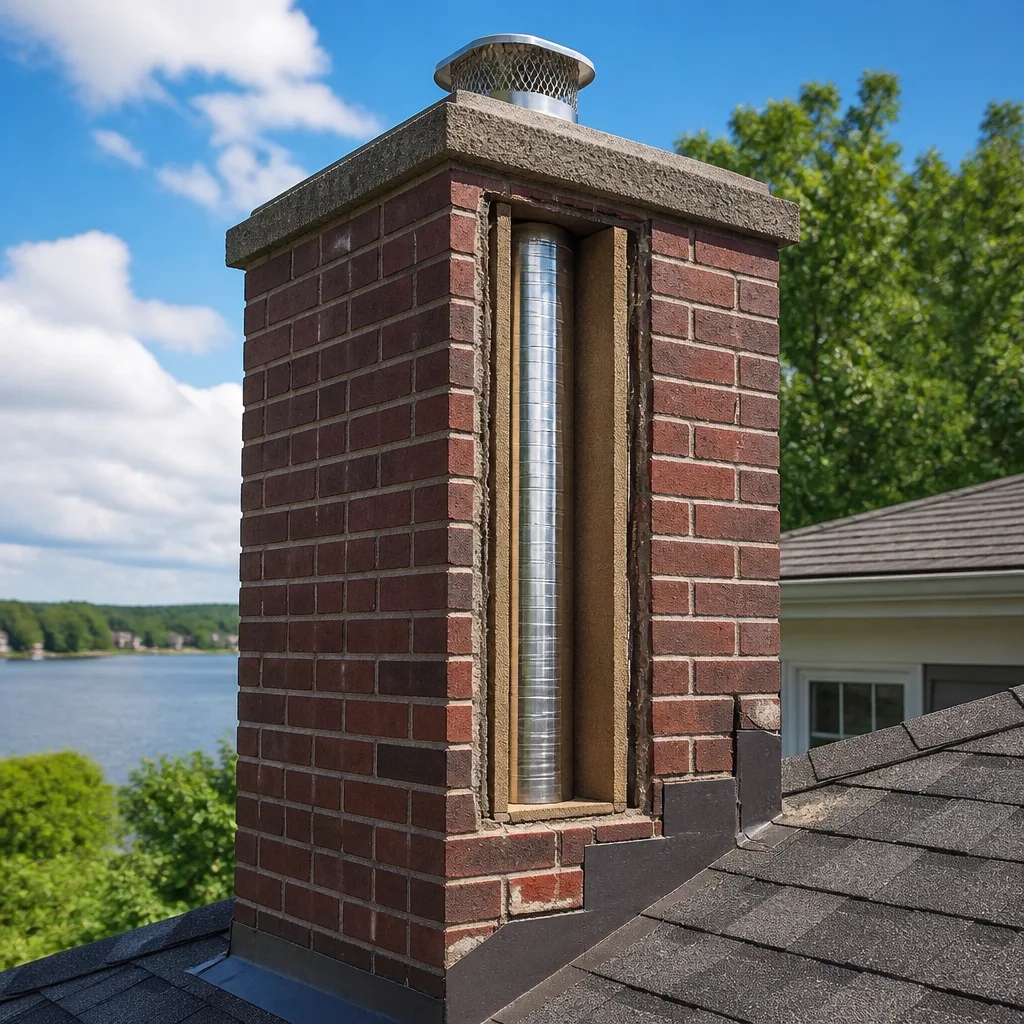 Flue relining
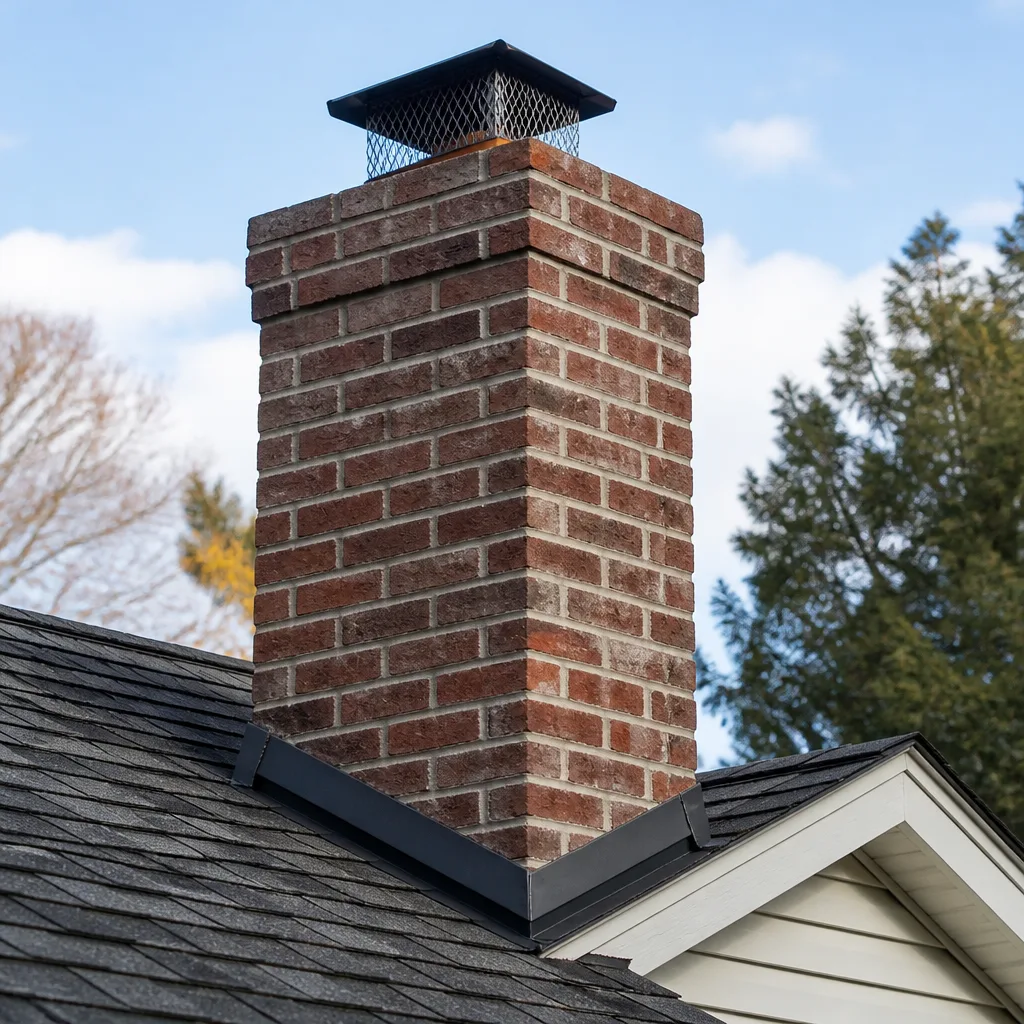 Masonry repair
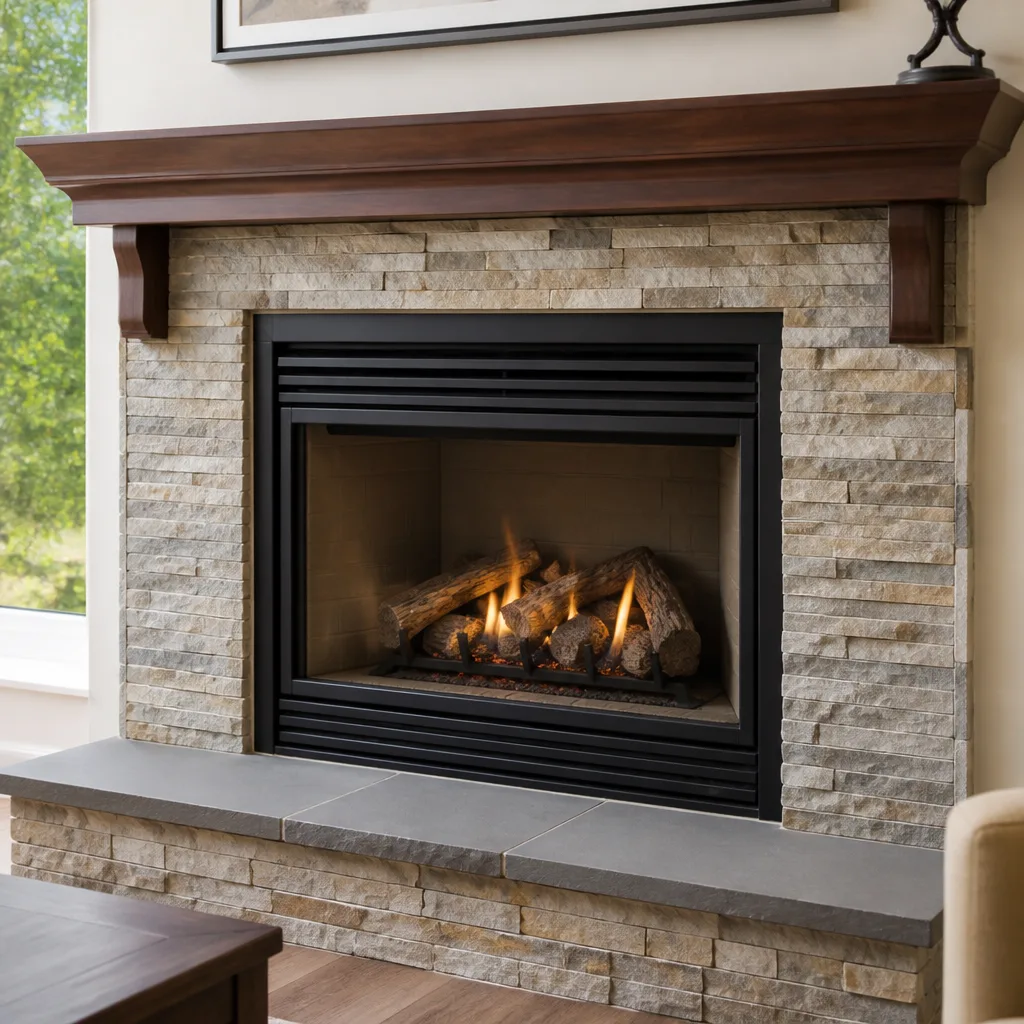 Gas fireplace service
Level 1 sweep and inspection to the NFPA 211 annual standard - flue, crown, cap, and flashing checked and photographed
Chimney sweep logs do not sweep chimneys. They loosen some creosote - which then falls where a brush and vacuum still have to collect it.
The Complete Guide to Chimney Cleaning in San Antonio
Here’s a statistic that surprises most San Antonio homeowners: a chimney that sat completely unused from March through September is often in worse shape come October than one that burned regularly all winter. Dormancy isn’t neutral. In San Antonio’s specific humidity and heat cycle, it’s active decay. This guide covers what actually happens inside your flue during those eight idle months, what a proper cleaning in San Antonio should cost, what inspections actually reveal, and how to know whether the company you’ve called is one you can safely open the door for. For more guides & resources, see our blog.
Quick Answer
Chimney cleaning in San Antonio typically costs between $149 and $299 for a standard sweep, depending on flue type, accessibility, and creosote condition. Most San Antonio homes should be swept once per year, ideally in early fall before the burn season starts. Alcott Chimney San Antonio offers free estimates and written pricing before any work begins – call (903) 515-5079 to schedule.
Styles & brands we work with
Table of Contents
- Why San Antonio Chimneys Fail Differently Than Northern Ones
- What a Chimney Cleaning in San Antonio Actually Involves
- The San Antonio Creosote Pattern: Thin, Glazed, and Deceptive
- How Much Does Chimney Cleaning Cost in San Antonio?
- Level 1 vs. Level 2 Inspections: What You’re Actually Paying For
- Humidity, Freeze Cycles, and Why Cleaning Alone Won’t Catch Structural Problems
- What a Real Guarantee Covers (and What to Document)
- Common Mistakes to Avoid
- When to Call a Professional
- Frequently Asked Questions
Why San Antonio Chimneys Fail Differently Than Northern Ones
Most chimney advice you’ll find online was written for New England or the Midwest, where chimneys burn hard from November through March and creosote builds up thick and flaky. That’s not what we see in San Antonio. Here, the burn season is short, roughly October through February, and many homeowners use their fireplaces only on the dozen or so nights when the temperature actually drops below 45 degrees. The rest of the year, the chimney sits. And sitting is not the same as being fine.
During San Antonio’s long, humid summers, the air inside an unused flue stays damp. Creosote, which is the tar-like residue left by burning wood, absorbs that moisture. When creosote gets wet and then dries repeatedly across dozens of humidity cycles, it changes chemically. It hardens. It adheres to the flue walls. What was once a loose, brushable deposit becomes a glaze that resists standard cleaning methods.
We also deal with a fuel mix that’s different from northern markets. San Antonio homeowners burn a lot of oak and mesquite, both of which are dense, hot-burning woods that produce significant creosote even in short burn sessions, especially if the fire is damped down early in the evening. Mesquite in particular burns hot but produces an oily smoke that leaves a residue more like varnish than ash. Pair that with a chimney that only gets used occasionally, and you get a very specific failure pattern: thin, shiny, baked-on creosote that a homeowner looking up the flue with a flashlight might not even recognize as a hazard.
What a Chimney Cleaning in San Antonio Actually Involves
A proper chimney cleaning is more than running a brush up and down the flue. Here’s the step-by-step process we follow at Alcott Chimney San Antonio, and it’s the standard you should expect from any qualified sweep in the area.
- Setup and floor protection. Drop cloths go down around the hearth, and the work area is sealed to keep soot from drifting into the living space.
- Visual pre-check. The technician examines the firebox, damper, and smoke chamber before touching anything. This catches obvious issues like animal nests, missing mortar, or a damper that’s rusted open.
- Flue brushing. Using appropriately sized wire or poly brushes, the sweep mechanically removes creosote and soot from the flue walls. In San Antonio’s climate, this often requires more passes than a standard northern chimney because the deposits are glazed rather than fluffy.
- Smoke chamber and damper cleaning. These areas collect debris that brushing alone misses. A sweep that skips them is leaving material that can reignite.
- Firebox cleanup. Ash and debris are removed, and the firebrick is inspected for cracks.
- Post-clean inspection. After the flue is clean, the technician can actually see the condition of the liner. This is when cracks, gaps, and deteriorated mortar joints become visible, problems that were hidden under creosote before.
- Report and recommendations. You should get a written summary of what was found, what was done, and whether any follow-up work is needed. At Alcott, this includes photos when issues are found, so you can see exactly what the technician saw.
If you’re looking for more detail on what a sweep should include, our Chimney Sweep in San Antonio page covers the full service scope and what to expect at your appointment.
The San Antonio Creosote Pattern: Thin, Glazed, and Deceptive
Here’s the counterintuitive part we’ve learned from thousands of sweeps in San Antonio homes since 2002: the chimneys that look dirtiest are often the easiest to clean, and the chimneys that look cleanest are often the most dangerous. Heavy, fluffy creosote brushes off relatively easily. It’s the thin, shiny, tar-like glaze that causes real problems, and that glaze is what San Antonio’s climate produces.
Here’s why. Creosote forms in three stages. Stage one is flaky and dry. Stage two is thicker and more tar-like. Stage three is glazed, hard, and highly concentrated fuel for a chimney fire. In northern climates with long, continuous burn seasons, creosote builds stage by stage and becomes visually obvious. In San Antonio, short burn sessions followed by long idle periods cause the creosote to cool, absorb humidity, reheat, and cool again. This thermal cycling turns even a small amount of creosote into stage two or stage three glaze far faster than blanket accumulation would.
The practical upshot: even if your chimney was professionally cleaned last year and you only burned a half-dozen fires, you may still have a glazed layer that requires chemical treatment or rotary cleaning equipment to remove. A homeowner glancing up the flue sees a black, shiny surface and assumes it’s just the liner. It’s not. It’s fuel.
This is also why we recommend an annual cleaning in San Antonio even for light users. The volume of creosote isn’t the only variable. The chemical state of it matters just as much, and San Antonio’s humidity accelerates the worst kind.
How Much Does Chimney Cleaning Cost in San Antonio?
Let’s talk real numbers, because vague pricing is one of the reasons homeowners put off chimney maintenance. A standard chimney cleaning in San Antonio, with no additional repairs, typically runs between $149 and $299. Here’s what shapes where your job lands in that range.
- Flue type. A straightforward masonry chimney with a clay tile liner is the most common and sits at the lower end of the range. A prefabricated metal chimney or a chimney with a stainless steel liner takes more care to clean safely and often costs a bit more.
- Accessibility. Single-story homes with easy roof access are simplest. Steep roofs, two-story flues, or chimneys with awkward roofline placement add time and equipment requirements.
- Creosote condition. Stage one and light stage two deposits brush out readily. Heavy stage two or any stage three glazed creosote requires chemical treatments, rotary cleaning heads, or both, which adds cost. This is common in San Antonio, as explained above.
- Time since last cleaning. A chimney that hasn’t been swept in five or more years will take longer. That’s fine, it just changes the price.
- Animal or debris removal. If a bird, squirrel, or raccoon has taken up residence during the off-season, removal and nest extraction become part of the job. This is frequent in San Antonio’s older neighborhoods with mature trees, like Monte Vista, Alamo Heights, and Terrell Hills.
Some companies advertise a low introductory price and then stack on fees for the damper, the smoke shelf, or the “deep clean.” At Alcott Chimney San Antonio, the price you’re quoted includes the full sweep: flue, smoke chamber, damper, and firebox. The written price is delivered before we start, and it’s the price you pay at the end. No line-item surprises.
What triggers additional costs? Only genuine findings that require additional work: a broken damper, a cracked flue tile, a deteriorated chimney cap, or animal entry. Every repair gets a written price before work begins, and every repair carries a written guarantee.
Level 1 vs. Level 2 Inspections: What You’re Actually Paying For
Chimney inspections are classified by the National Fire Protection Association (NFPA) into three levels, and the distinction matters for San Antonio homeowners specifically because of what our climate does to masonry and liners. Here’s the plain-English version.
Level 1 inspection is the standard annual check. The technician examines all readily accessible portions of the chimney: the firebox, damper, smoke chamber, and the exterior of the flue from the roof. This is what should accompany every routine cleaning. It catches visible issues like cracked firebrick, a rusted damper, or a missing chimney cap. A Level 1 in San Antonio will often reveal mortar deterioration at the crown because our summers bake the mortar and our occasional winter freezes crack it.
Level 2 inspection is required when conditions change: you’re selling the home, there’s been a chimney fire, an earthquake or severe weather event occurred, you’ve changed fuel or flue type, or the chimney hasn’t been inspected in years. A Level 2 uses video scanning to examine the entire flue interior, including the sections hidden inside the walls. This is the inspection that catches cracked clay tiles mid-flue, gaps in a stainless liner, or voids in mortar joints that a visual inspection can’t see. In San Antonio, real estate transactions routinely require a Level 2 inspection, and for good reason – the home inspection contingency often misses chimney issues that a video scan catches immediately.
For a deeper look at inspection levels and what we document, see our Chimney Inspection in San Antonio page.
Humidity, Freeze Cycles, and Why Cleaning Alone Won’t Catch Structural Problems
San Antonio’s climate is uniquely hard on chimneys in ways that generic chimney guides never address. The city averages around 30 inches of rain a year, but the bigger issue is the humidity swing. Summer humidity routinely exceeds 70%, while winter cold fronts drop both temperature and moisture levels sharply. Then there’s the occasional hard freeze, like the February 2021 event that damaged thousands of San Antonio homes.
Here’s what that cycle does to a chimney. Mortar and clay tile liner are porous. They absorb atmospheric moisture during humid periods. When a freeze hits, that moisture expands as it freezes, and the expansion cracks the material. Each cycle widens existing cracks and creates new ones. Over years, what starts as a hairline crack in a flue tile becomes a gap that allows heat and combustion gases into the space between the flue and the chimney structure, or into the home itself.
This is the critical point homeowners miss: a chimney cleaning removes creosote, but it does not repair cracked liners, deteriorated mortar, or a spalled chimney crown. Those are structural issues that a cleaning will reveal, but only if the technician is thorough enough to inspect after the flue is clean, and only if you follow through on the recommended repair.
When we do find liner damage, we don’t present it as an emergency upsell. We show you the camera footage. We explain what the crack means in plain English: how big it is, where it is, what can happen if it’s left alone, and what can safely wait. You make the call. For gas fireplace systems specifically, which have different inspection and repair needs, our Gas Fireplace Repair in San Antonio page covers what to look for.
What a Real Guarantee Covers (and What to Document)
Most chimney companies, when they offer any guarantee at all, keep it vague: “we stand behind our work.” That means nothing. A real guarantee states what it covers, for how long, and what happens if it fails. Here’s what Alcott Chimney San Antonio means when we talk about the 365-Day Done Right Promise.
Every repair carries a written guarantee. If a repair we perform fails within the coverage period – up to 365 days from completion – we return and fix it at no charge. That’s the core promise. It’s not conditional on being a repeat customer or signing up for anything. It’s printed, not spoken.
What the guarantee covers: workmanship and materials on repairs we perform. If a chimney cap we installed comes loose, if a damper we replaced sticks, if a liner section we installed separates, the second visit is free.
What the guarantee doesn’t cover: normal wear and tear beyond the coverage period, damage from chimney fires or severe weather events, or issues unrelated to the original repair. That’s not legalistic fine print, it’s just honest scope. If a tree falls on your chimney two months after we repair the crown, that’s an insurance claim, not a warranty issue.
What you should document at appointment time: the name and photo of the technician you were sent before the visit, the written price you received, the written scope of work, and the written guarantee. At Alcott, every technician is background-checked and identity-verified through the Threshold Standard, and you receive their name and photo before they arrive. When they ring the bell, they show a photo ID badge. That’s the standard on every job, no exceptions, and it’s part of what we mean by verified, not just “professional.”
If you’re researching other companies, ask them the same questions: “What exactly does your guarantee cover? How long does it last? Do you send the technician’s name and photo before the appointment? Will the person at my door be identity-verified?” A company that can answer those questions clearly is a company that has thought about your actual concerns.
Common Mistakes to Avoid
- Skipping the annual sweep because you barely used the fireplace. In San Antonio’s climate, a lightly used chimney can develop glazed creosote faster than a heavily used one. Light use is a reason to inspect more carefully, not less.
- Assuming the home inspector checked the chimney. Standard home inspections in San Antonio are visual and limited. They don’t include video scanning of the flue interior. A cracked tile mid-flue passes a home inspection every day.
- Hiring on price alone. A $79 sweep special almost always leads to a “required repair” you can’t verify. Insist on camera evidence for any repair recommendation. If a company can’t show you the problem, don’t pay for the fix.
- Burning unseasoned wood. Green or wet wood burns cooler and produces more creosote per fire. In humid San Antonio, wood stored outdoors absorbs moisture quickly. Keep firewood covered and off the ground.
- Ignoring a damper that won’t close. An open or rusted damper lets conditioned air escape all summer, which means higher cooling bills and a flue that stays damp for months. It’s also a common entry point for birds and insects.
- Power-washing the chimney exterior. San Antonio’s hard water and high-pressure washing erode mortar joints and accelerate crown deterioration. If the brick needs cleaning, use a low-pressure wash or a chimney-specific cleaner.
- Letting a “free inspection” turn into a scare-sell. If a technician’s inspection finds $8,000 of “urgent” repairs the same week you called for a $199 cleaning, get a second opinion. Legitimate problems have evidence, not urgency scripts.
When to Call a Professional
Call a chimney professional if you notice any of these signs: a persistent smoky smell in the house when the fireplace isn’t in use, visible soot or staining around the fireplace opening, pieces of tile or mortar falling into the firebox, animals nesting on the chimney, water staining on the ceiling near the chimney chase, or a fire that burns sluggishly and smokes more than it should. If you’re choosing who to call, our How to Hire a Chimney Cleaning Contractor in San Antonio: A Step-by-Step Guide can help. Also call if you haven’t had the chimney inspected in more than two years, or immediately if you’ve experienced a chimney fire, however small it may have seemed. San Antonio’s freeze cycles mean structural damage can develop quietly, and the only way to see it is with a proper inspection. Alcott Chimney San Antonio offers free estimates across San Antonio – call (903) 515-5079 and we’ll send you the technician’s name and photo before the appointment.
Frequently Asked Questions
Once per year, even for light users. San Antonio’s humidity and short burn season create glazed creosote deposits that form faster than the fluffy buildup you’d see with heavy use in northern climates. For year-round maintenance tips, see our Seasonal Chimney Cleaning Care for San Antonio: Year-Round Homeowner’s Guide. Schedule your annual sweep in late September or early October, before the burn season starts, and you’ll avoid the end-of-year rush. Call (903) 515-5079 to book – estimates are free.
A standard chimney cleaning in San Antonio runs $149 to $299, depending on flue type, roof accessibility, and creosote condition. Additional repairs are quoted separately with written pricing before any work begins. At Alcott Chimney San Antonio, the written price includes the full sweep – flue, smoke chamber, damper, and firebox – with no surprise line items at the end.
Maybe you do, but you should never take that recommendation on faith. A legitimate liner recommendation comes with camera evidence: video or photos that show you exactly where the crack, gap, or deterioration is. Ask to see the footage. Ask what happens if you wait. At Alcott, if our technician recommends a liner repair, you’ll see the images yourself and we’ll tell you plainly what can safely be deferred.
Creosote continues to accumulate, and in San Antonio’s climate it glazes rather than stays brushable. Glazed creosote is highly flammable. If it ignites, you get a chimney fire that can exceed 2,000 degrees inside the flue, cracking tiles, warping liners, and in the worst cases spreading to the home’s framing. Short of a fire, built-up creosote restricts draft, which pushes smoke and carbon monoxide back into the house.
We don’t recommend it. Beyond the danger of working at roof height, which sends San Antonio homeowners to urgent care every year, a DIY brushing won’t address glazed creosote, and it won’t tell you anything about the condition of your liner, damper, or crown. The real value of a professional sweep isn’t the brushing, it’s the inspection that happens afterward. Read our full comparison in DIY vs Professional Chimney Cleaning: The San Antonio Homeowner’s Decision Guide.
Because you should know exactly who’s coming to your door before they arrive. Every Alcott technician is background-checked and identity-verified through the Threshold Standard, and you receive their name and photo when you book. When they arrive, they show a photo ID badge. That’s not an optional courtesy. It’s the standard on every job, for every customer, every time.
The Bottom Line
San Antonio’s climate punishes chimneys differently than the cold-weather markets most chimney advice is written for. Our short burn season produces thin, glazed creosote that’s more dangerous than it looks. Our humidity cycles crack mortar and liners quietly, over years. The solution isn’t complicated: a proper cleaning and inspection once a year, performed by a company that gives you written pricing before work begins and a written guarantee on every repair. If you’re in San Antonio and want certainty about who’s coming to your home and what they’ll find, call Alcott Chimney San Antonio at (903) 515-5079. We’ll send you the technician’s name and photo before we arrive.
Written by Ruben Castellano, Owner at Alcott Chimney San Antonio, serving San Antonio since 2002.
See the difference
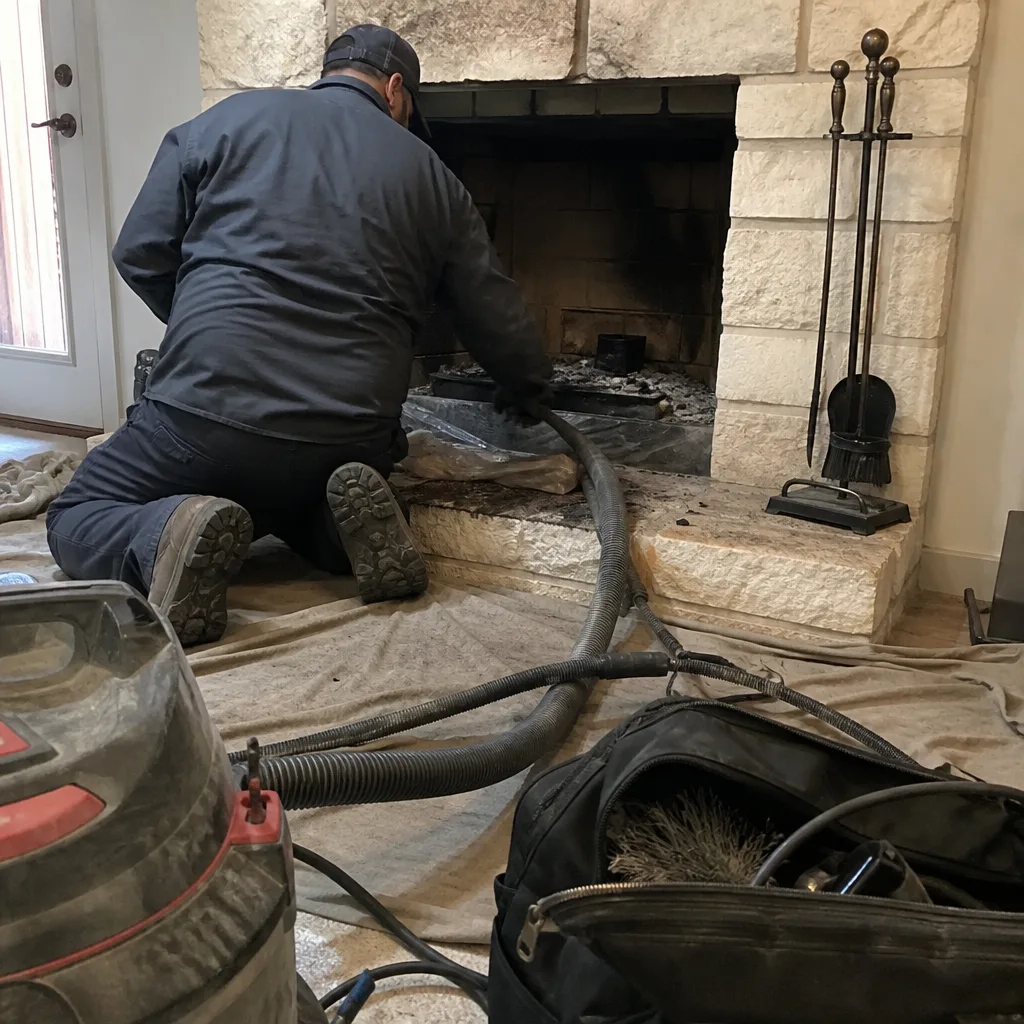 Before
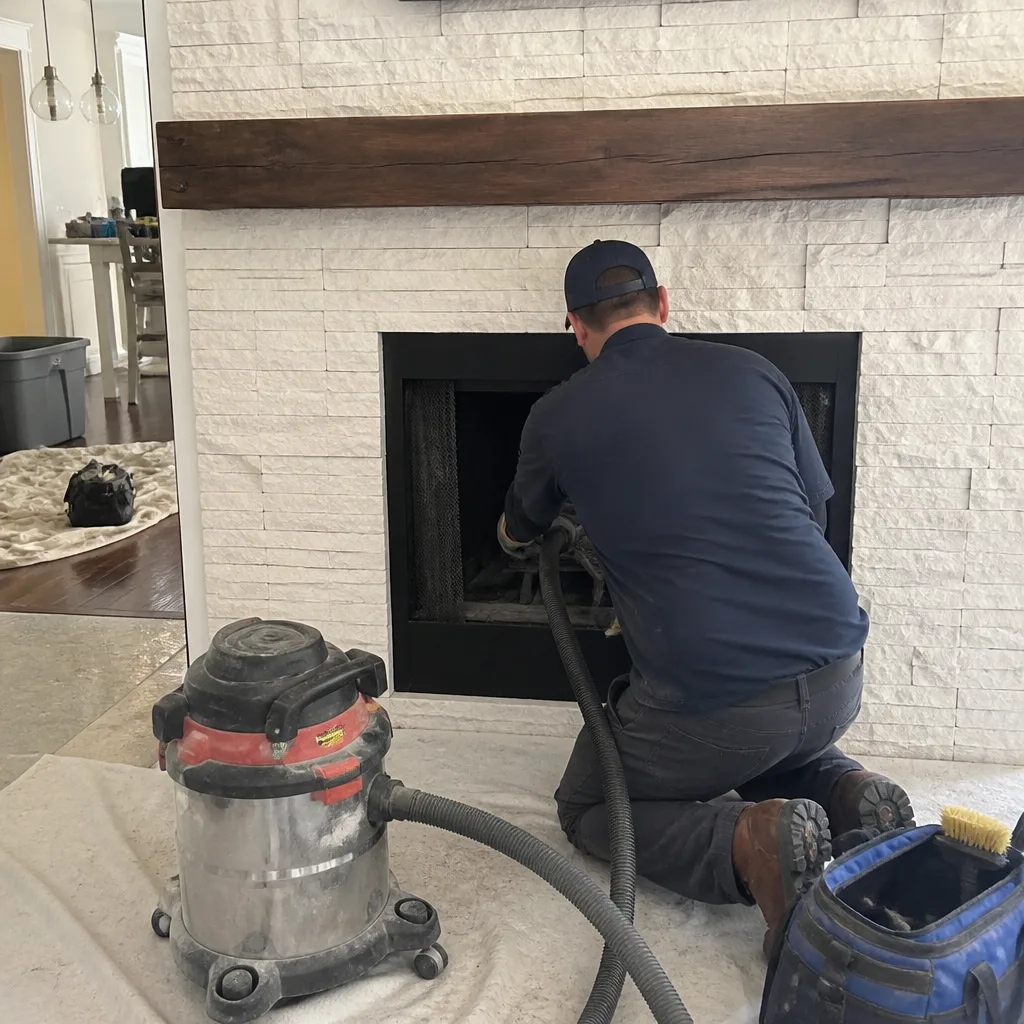 After
After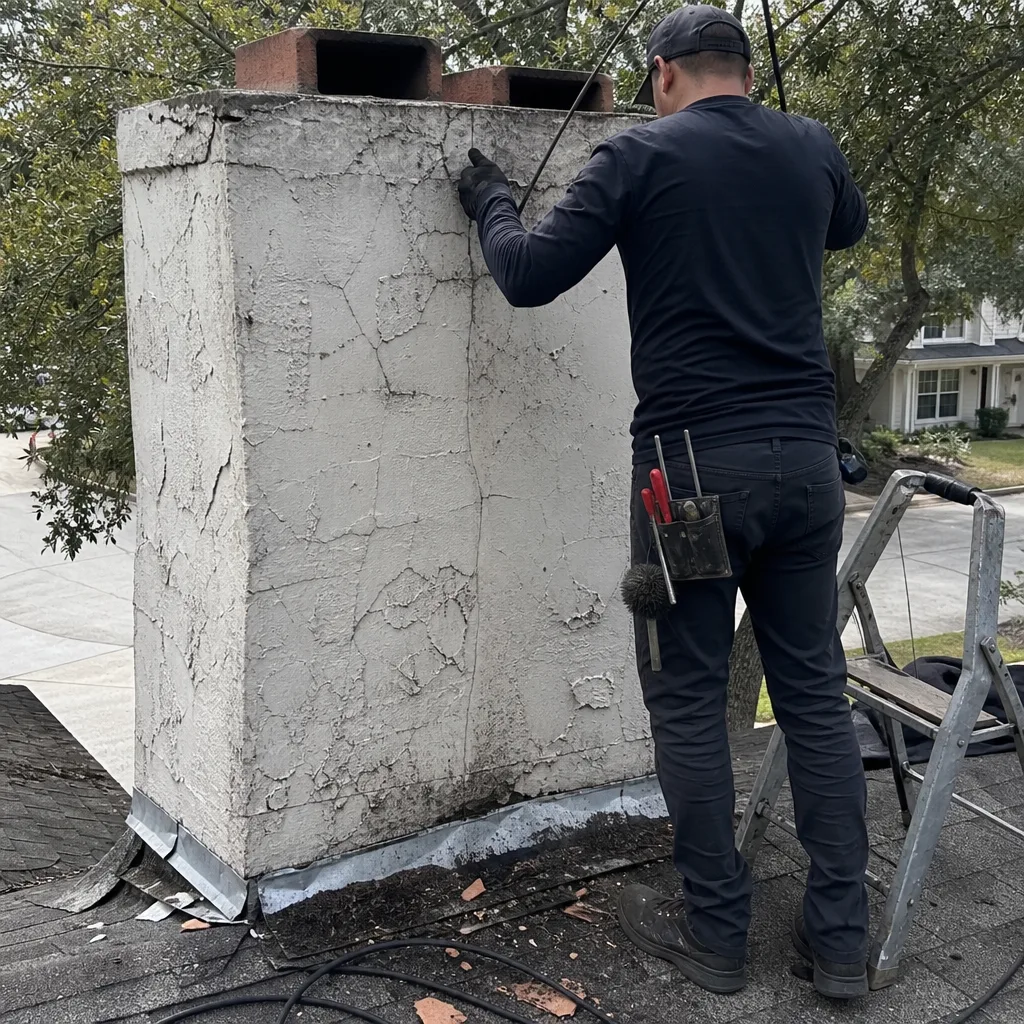 Before
 After
After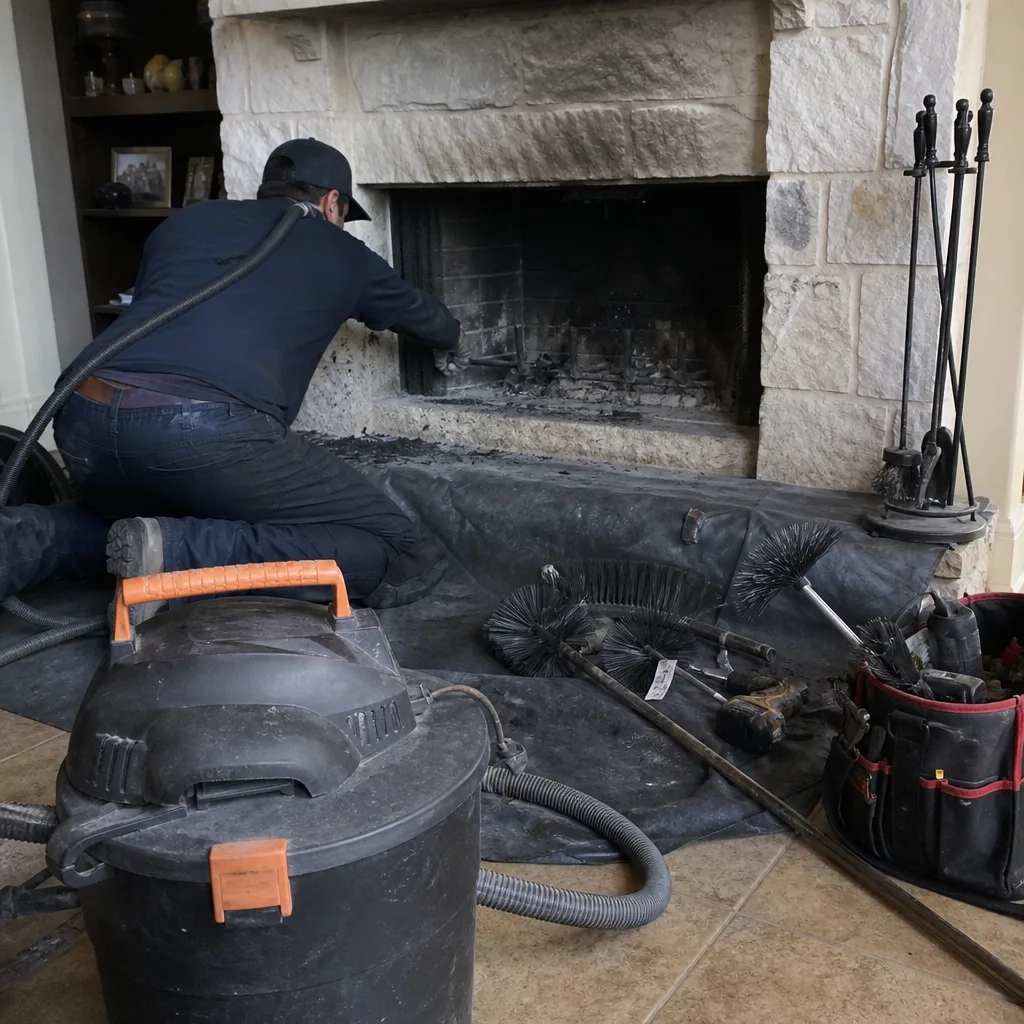 Before
 After
After